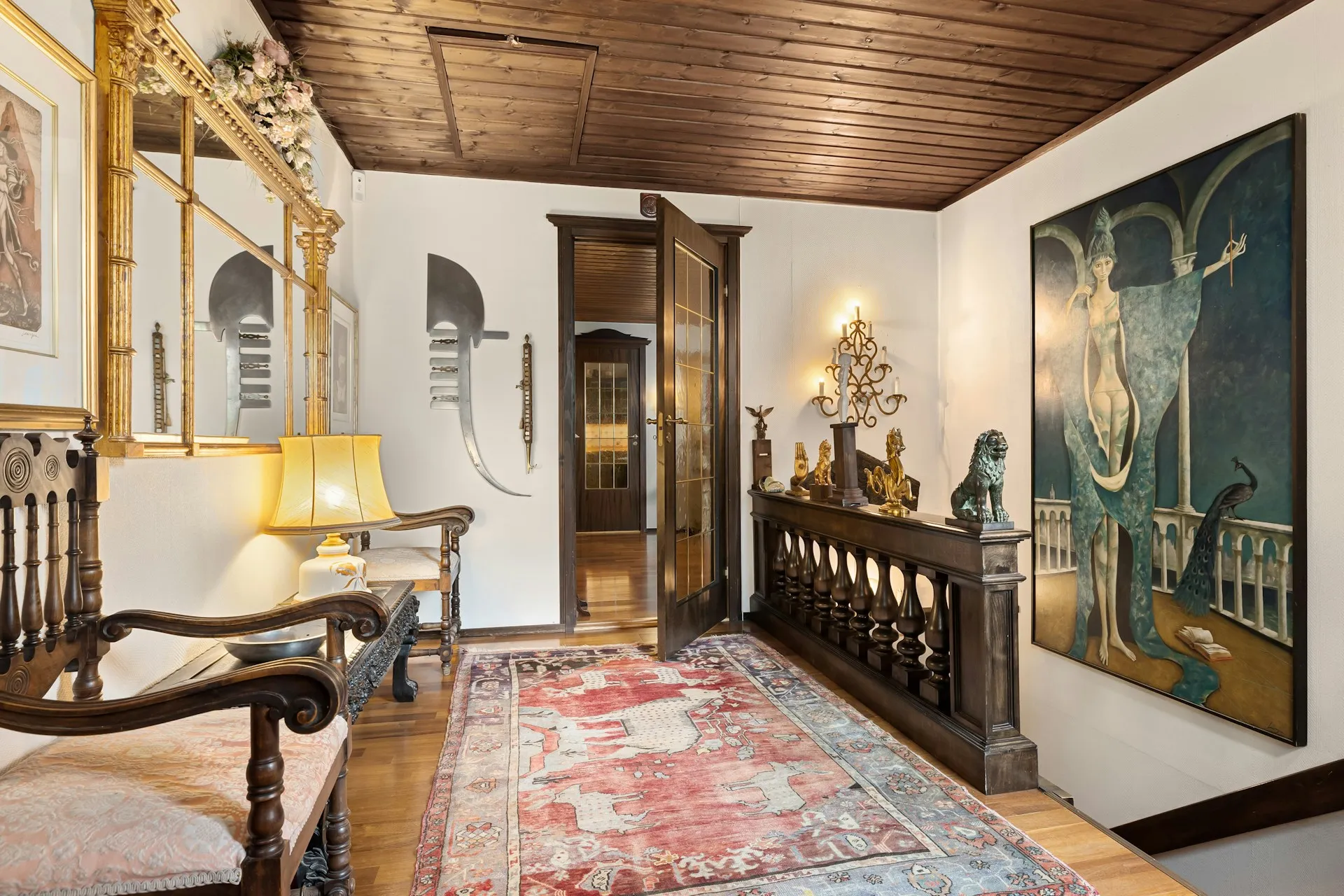

Photo by Alex Tyson on Unsplash
In the midst of a global architectural trend favoring uniform concrete and glass, a new consciousness is emerging: a return to Vernacular Architecture. Vernacular is the architectural language of the people; it utilizes local materials, indigenous labor, and is specifically designed to respond to the climatic challenges of a region without heavy reliance on external energy. Traditional structures—from stilt houses in the tropics to stone dwellings in the mountains—have proven their resilience for centuries. Studying these principles does not mean moving backward; rather, it means distilling the wisdom of ancestors to be applied in modern homes that are more honest and sustainable.
"The smartest buildings are not those filled with complex technology, but those built with a profound understanding of the soil, wind, and light where they stand."
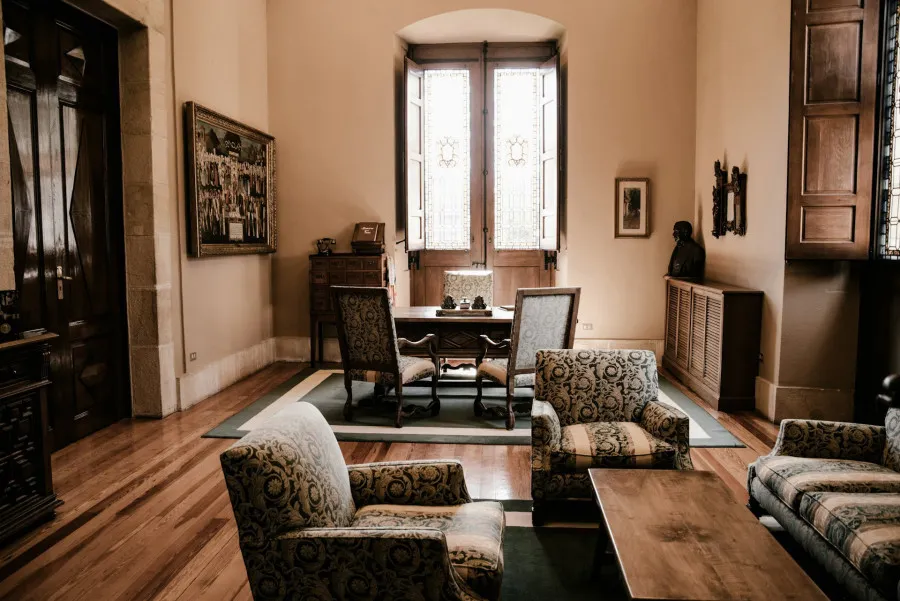
Photo by Tomoko Deguchi on Unsplash
Technically, the primary advantage of vernacular architecture lies in its ability to manage Natural Thermal Comfort. In hot and humid climates, traditional houses often employ high ceilings, floor voids, and building orientations that capture prevailing winds to create cross-ventilation. The materials used possess thermal mass appropriate for their surroundings; for instance, wood that does not conduct excessive heat or clay that maintains a cool indoor temperature. This approach is the antithesis of modern design, which often relies on constant air conditioning—a practice that, in the long run, damages the environment and increases living costs.
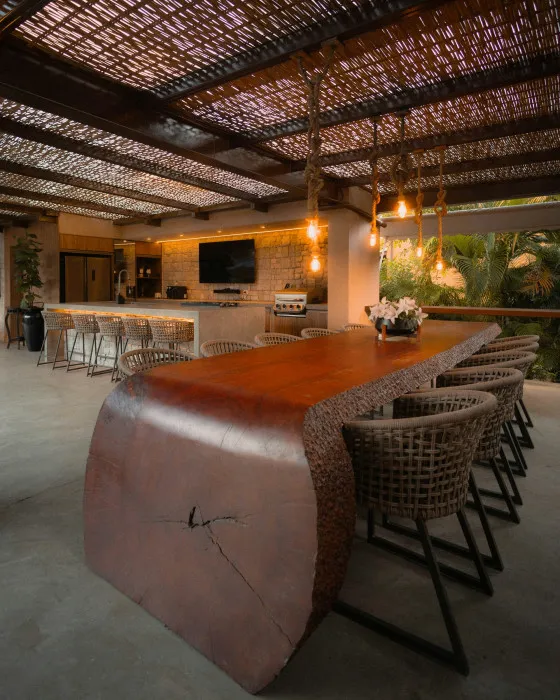
Photo by Alef Morais on Unsplash
Beyond functional aspects, architecture that respects the local context provides a sense of identity and emotional connection for its inhabitants. Every material sourced from the surroundings—such as bamboo, river stone, or natural fibers—carries textures and colors that blend into the landscape. This creates a soothing visual harmony, where buildings do not look like foreign objects forced into a territory but rather grow as part of the ecosystem. Modern vernacular dwellings provide a powerful sense of "grounding," reminding humans of their origins and their responsibility toward nature. It is a form of architecture with a soul, respecting the history of the ground it rests upon.
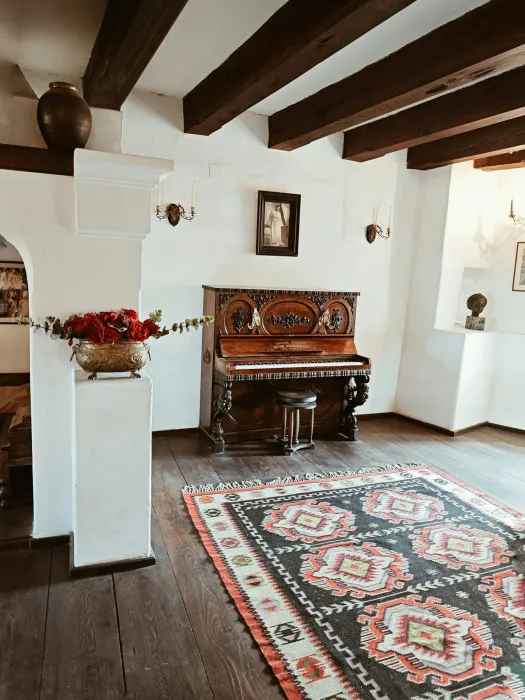
Photo by Razvan Trif on Unsplash
Applying vernacular principles today means curating past techniques and merging them with modern, safer construction engineering. It is about choosing sustainability over vanity, and natural efficiency over energy-hungry luxury. By returning to vernacular roots, we are actually designing a future where a home is not just a shelter from the elements, but a living entity that peacefully coexists with its environment. We learn that the answers to environmental challenges are often not found in high-tech laboratories, but are neatly tucked away in the old structures we have long forgotten.
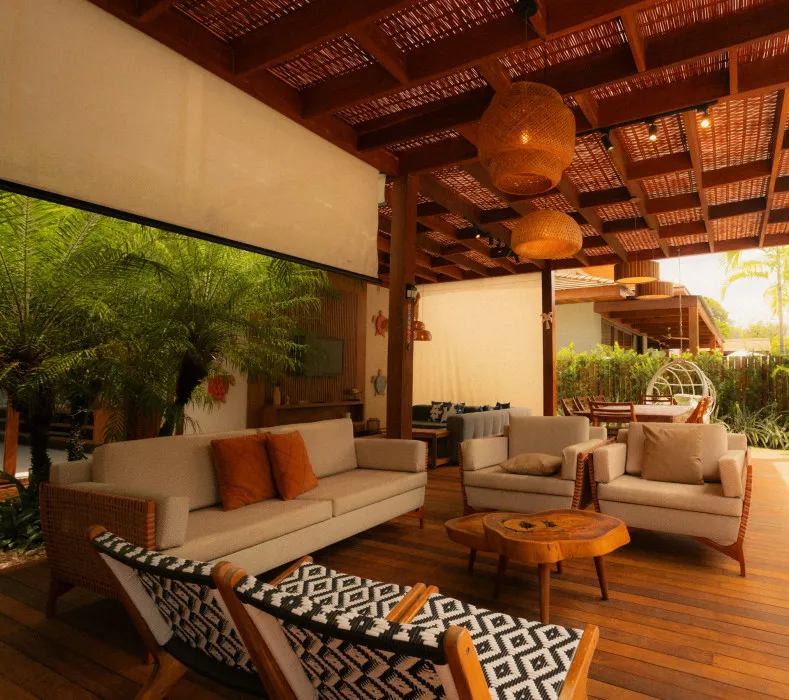
Photo by Alef Morais on Unsplash
"Building in accordance with the laws of nature is architecture's highest form of respect for human life and the sustainability of the earth."
WRAP-UP!
Vernacular architecture is a smart and aesthetic solution for creating humane and environmentally friendly dwellings. When renovating or building a house, observe the path of the sun and the dominant wind direction at your location; use locally available materials to achieve a building quality that is most in harmony with nature.