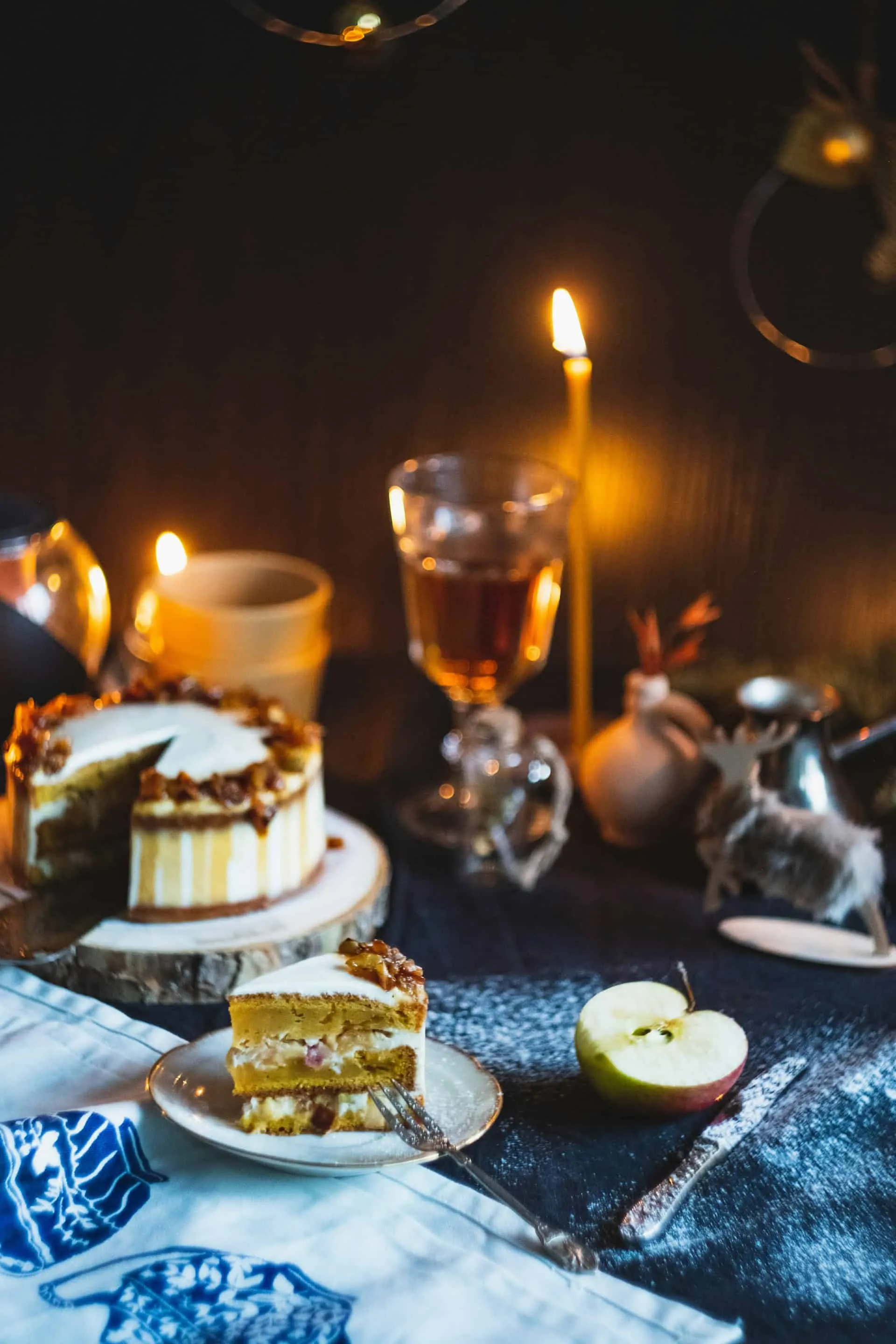

Photo by Diliara Garifullina on Unsplash
The world of Sweets & Desserts is entering an artistic and scientific phase of "returning to nature." Where trends were once dominated by flashy decorations, massive use of fondant, and extreme sweetness, world-class pastry chefs are now pivoting toward a philosophy known as Botanical Confectionery. This technique utilizes ingredients typically found in herbal apothecaries or botanical gardens—such as real marshmallow root, elderflower, lavender, and exotic spices like green cardamom and turmeric. The primary focus is not just on beautiful presentation, but on flavor profiles that possess depth and functional benefits for the body.
"The perfect ending to a meal is no longer about a sugar explosion, but a subtle harmony between earthy aromas and the natural sweetness stored within plant cells."

Photo by Jelezniac Bianca on Unsplash
Technically, creating botanical desserts is highly challenging as chefs must understand the chemical character of each plant. For instance, how to extract the aroma of a rose without letting the bitterness of its petals dominate, or how to pair the warm spice of ginger with the silkiness of organic dark chocolate. The choice of sweeteners is also shifting toward complex, low-glycemic options like forest honey, coconut nectar, or fermented fruit sweeteners. The result is a work of art that not only pampers the palate but also provides a relaxing effect on the central nervous system. Textures are often kept light—soft mousses or clear sorbets—highlighting the essence of organic ingredients without the burden of excessive saturated fats.

This trend is further driven by consumer awareness of mental health through dietary intake. Many of these botanical ingredients possess adaptogenic properties that help the body manage stress. Enjoying a slice of lavender cake with a hint of lemon is not just a snack; it is a small ritual to calm the nerves. Visually, it remains organic; instead of artificial dyes, colors are derived from natural pigments like green chlorophyll or purple anthocyanins from berries. Decorations using edible flowers or a dusting of pollen provide unexpected unique textures. This is a new form of luxury that values natural growth processes over industrial fabrication.

Photo by Connie Perez on Unsplash
In the long term, Botanical Confectionery builds our appreciation for the seasons. The ingredients used depend heavily on what is currently blooming in nature, making each creation feel exclusive and limited. It teaches us to respect boundaries and celebrate the present moment. Enjoying a botanical dessert is about tasting the essence of the earth itself—a meeting point between human craftsmanship and nature's boundless generosity.
"The beauty of a dessert is now measured by how much it can tell the story of the soil and the garden from which it originated."

Photo by Stefan Schauberger on Unsplash
WRAP-UP! – Botanical Confectionery proves that culinary luxury can align with health.
Advice: Start exploring unconventional flavors in your desserts; let your taste buds learn to recognize the purity of soothing herbal notes.
On your next visit to your favorite pâtisserie, look for menus featuring botanical elements. Taste the difference and let nature speak through your palate.

![Smart Publication+ 3.0: Build Authority. Drive Growth. [Technical Specification]](https://www.alinear.id/assets_web/images/qr-codes/bd48cb0acb2d9586570edb8a7303cee1.jpg)