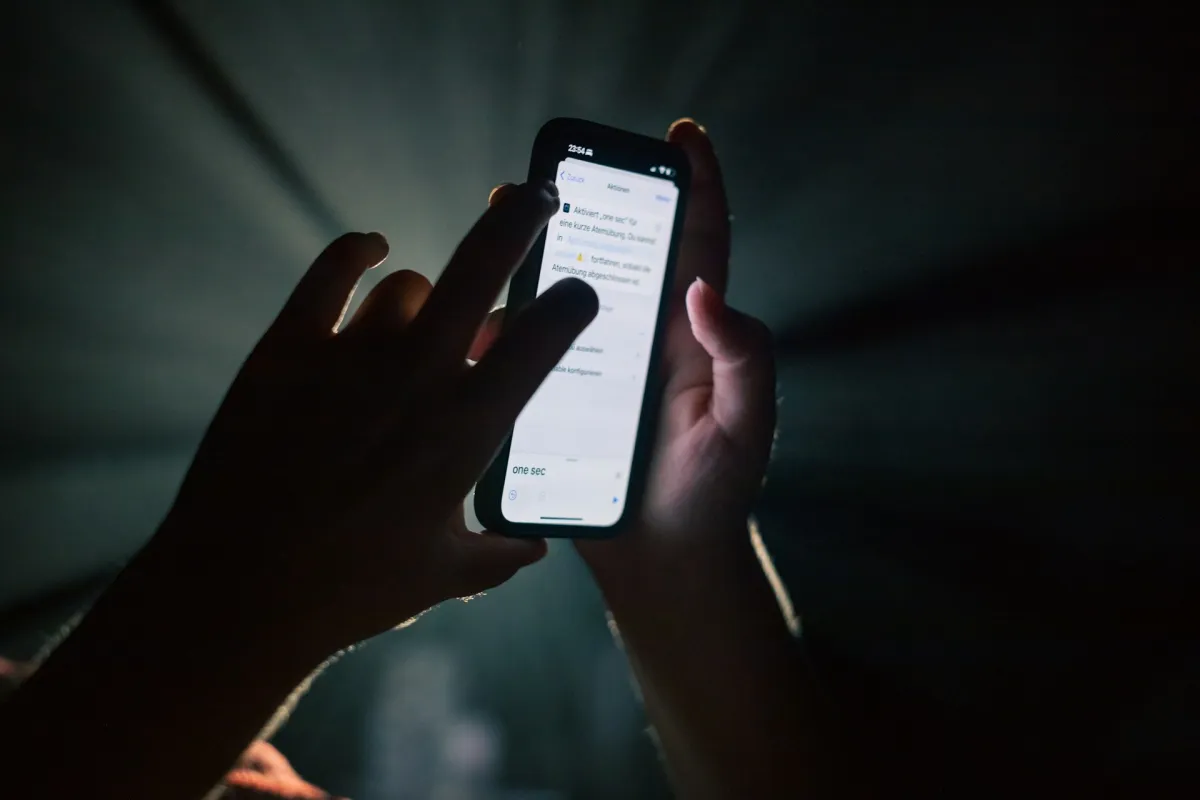


Photo by Amy Hirschi on Unsplash
Hiring conversations across creative fields—from product design and visual communication to content production and brand strategy—always circle back to one central question at the interview table: how does this candidate make decisions when project conditions are less than ideal? Clean visual galleries make a strong first impression, yet experienced recruiters care far more about the trade-offs weighed behind the scenes. Breaking down real case studies openly and systematically turns a portfolio walkthrough into a substantive working discussion.
Presenting a work portfolio is not merely about displaying polished final deliverables, but explaining the problem context, mid-project roadblocks, and the reasoning behind every decision taken. Honest, structured explanations help recruiters see how a candidate thinks when facing real-world situations on the job.
"A creative portfolio is more than a gallery of polished finishes; it reflects how decisions get made."

Photo by Rodrigo Rodrigues | WOLF Λ R T on Unsplash
Why Do Recruiters Focus on Decision Paths Over Polished Final Work?
The core strength of a strong portfolio case study lies in visible reasoning. In real work environments, creative projects almost always bring tight deadlines, shifting client direction, budget limits, or technical snags mid-stream.
This quick-field-notes approach to interview discussion positions the candidate as a grounded problem solver rather than a surface-level visual executor. When recruiters hear the reasoning behind each choice—why one option moved forward and another was set aside—they gain direct insight into analytical judgment and readiness to collaborate across teams.
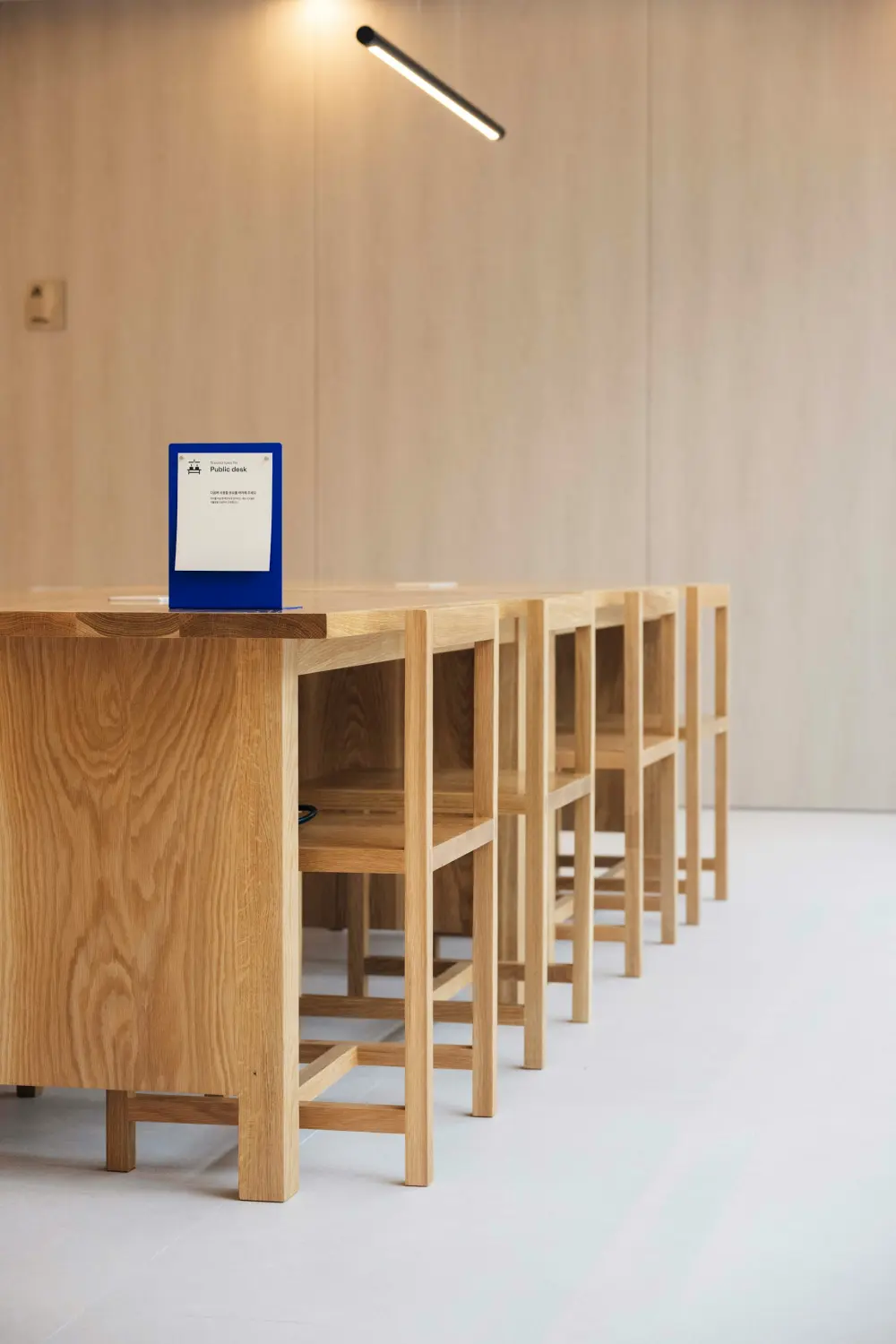
Photo by lim woojung on Unsplash
How to Structure Problem Context and Roadblocks Honestly and Clearly?
Presenting a work portfolio goes far beyond showing polished final deliverables; it means explaining the problem context, mid-project roadblocks, and the reasoning behind each decision made along the way. Honest, structured explanations help recruiters see how a candidate thinks when facing real-world situations on the job.
An easy-to-follow case study narrative moves along a clear cause-and-effect arc. Start by outlining the problem context briefly: what the project aimed to achieve at the outset, who the target audience or user was, and how success was measured. Next, walk through real roadblocks that appeared mid-way—such as sudden scope shifts or resource constraints—then explain the adjustment made and its resulting impact. Owning practical compromises honestly builds credibility because it mirrors everyday working reality.
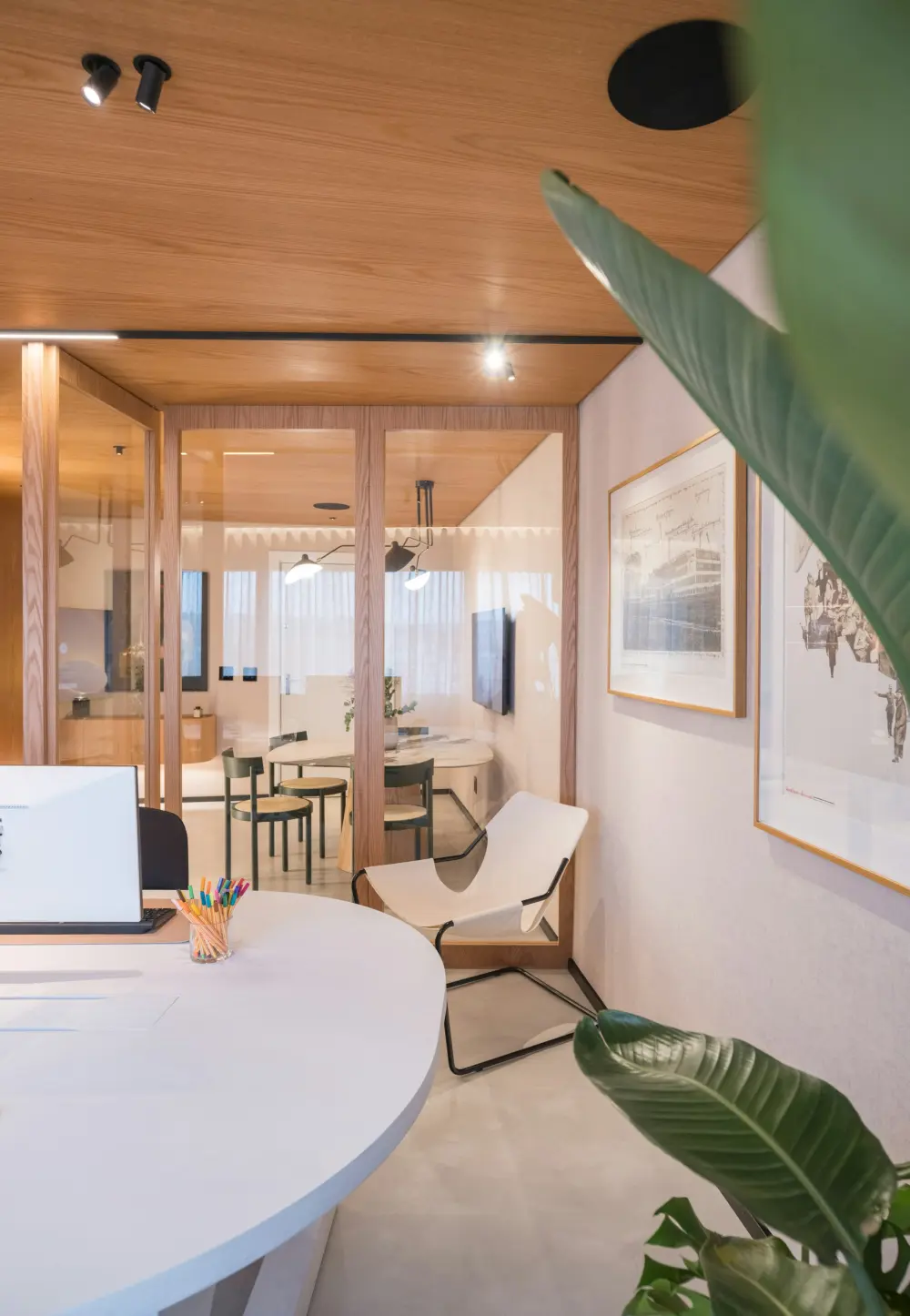
Photo by Caroline Badran on Unsplash
"Explaining problem context and mid-project roadblocks shows readiness for real-world work."
An effective walkthrough divides each project story into four balanced parts: initial context and problem framing, option exploration and mid-project roadblocks, key decisions and their rationale, and outcome review or lessons learned.
From an interview communication standpoint, keeping each project breakdown around five to seven minutes leaves plenty of room for recruiters to ask follow-up questions interactively.
"Honest, structured case study storytelling helps recruiters evaluate a candidate's thinking objectively."

Photo by Marissa Grootes on Unsplash
How to Prepare Case Study Notes Before Walking Into the Interview?
Select two or three of your most relevant projects showing distinct kinds of challenges, then jot down concise talking points in your working notebook before the interview begins. Make sure every project carries a clear thread connecting problem context, roadblocks faced, and the design or strategic reasons behind your choices.
Practice delivering the story in plain, direct language without leaning on excessive jargon, so interviewers from both HR and creative leadership backgrounds grasp your core contribution quickly.
Ultimately, breaking down real case studies in a portfolio affirms that creative talent is judged by clarity of thought when untangling real-world problems on the job—not solely by how smooth the final presentation looks.
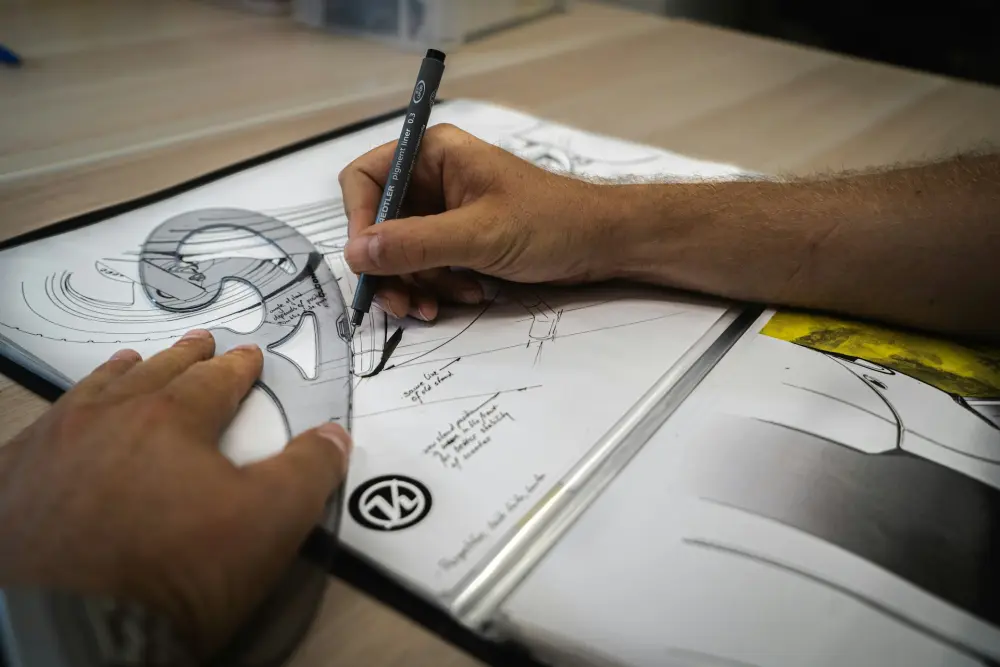
Photo by Kumpan Electric on Unsplash
WRAP-UP!
The career field notes guide Breaking Down Real Case Studies in Your Portfolio During Creative Job Interviews reinforces the Business - Career & Education pillar, proving that presenting a portfolio by explaining problem context, mid-project roadblocks, and the reasoning behind each decision honestly and in a structured way helps recruiters see how a candidate thinks when facing real-world situations on the job.
Explore our guides on case-study-based portfolios, creative-industry job interview preparation, and curated career skill-building with Alinear Indonesia.
Ready to Elevate Your Business and Brand to the Forefront of the Digital Era?
Discover how Alinear Indonesia’s integrated Advertorial+ (Smart Publication & Smart Activation) solutions combine media PR with AI-driven intelligence and the power of storytelling to multiply your business visibility and credibility (Brand Authority). Consult your vision and growth strategy with us today. [Click Here to Begin!]