
Photo by Marek Lumi on Unsplash
The Shift from Top-Down to Bottom-Up
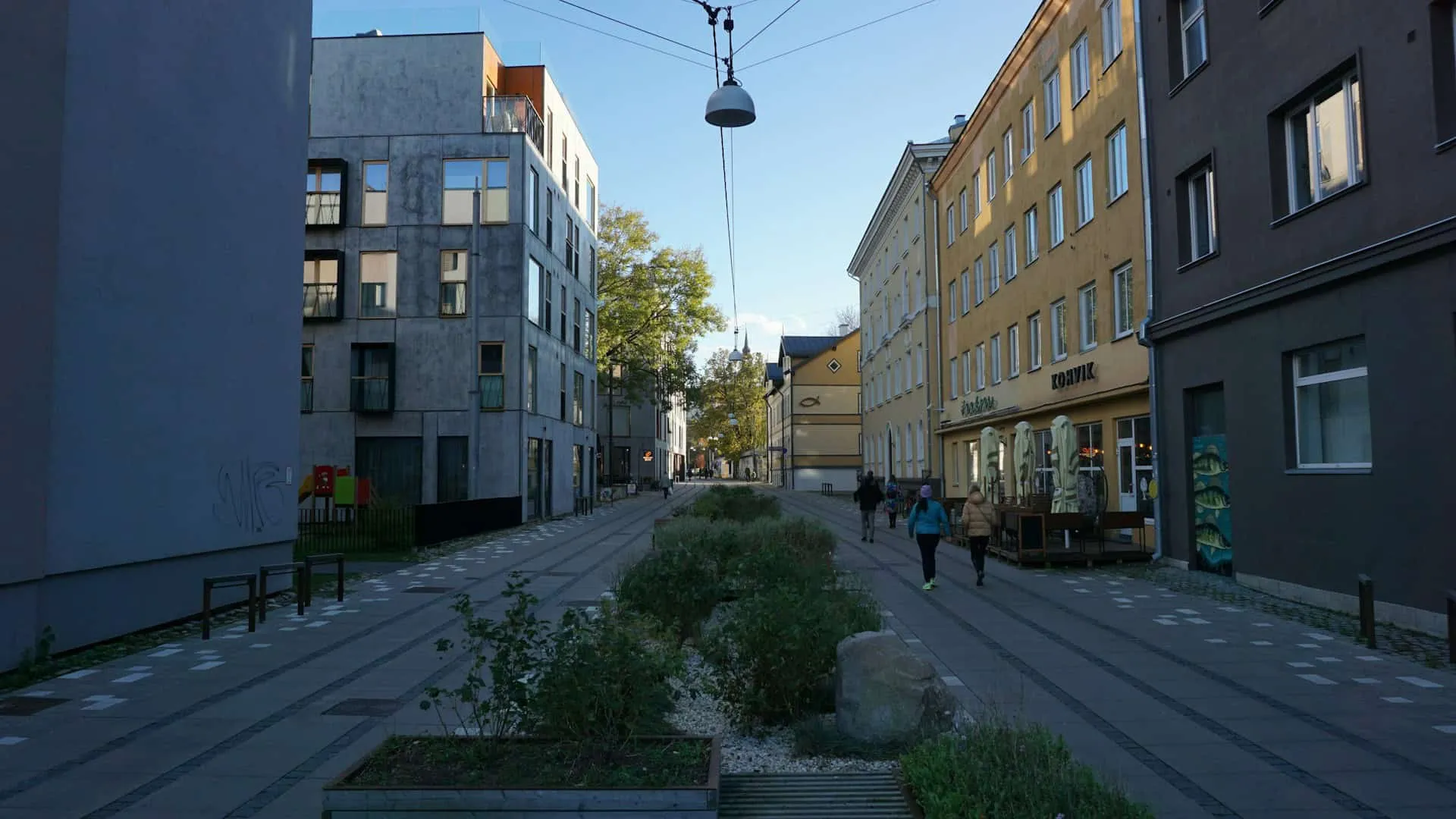
Over the last decade, the paradigm of urban development and high-end accommodation has shifted significantly. We are moving away from rigid top-down approaches and embracing Community-Led Design. This concept positions residents and locals not merely as "objects" of development or service recipients, but as subjects and primary architects who best understand the micro-needs of their own environment.
Through collaboration between governments, professional architects, and local communities, public spaces and accommodation hubs are designed based on the daily lived experiences of the people. The result is an urban space that is not only visually aesthetic but also functional, inclusive, and carries a profound sense of ownership from the community.

Photo by Pew Nguyen on Unsplash
Creating More Sustainable Solutions
The implementation of community-based design has proven to create far more sustainable solutions. Locals involved from the planning stage—from initial sketches to material selection—tend to be more active in maintaining and caring for the infrastructure built. They no longer see a city park or a boutique hotel as a "foreign facility," but as a "shared communal space."
Furthermore, Community-Led Design serves as a catalyst for social cohesion. The process of discussing ideas and working together to design shared spaces becomes a communication bridge between residents from diverse backgrounds. This is a tangible form of "Radical Stability" at a neighborhood scale, where physical stability is bolstered by strong social bonds.

Photo by inyoung jung on Unsplash
"The most vibrant cities and accommodations are those built from the collective sweat of ideas and the love of the people who inhabit them."
One of the core strengths of participatory design is its ability to detect the needs of groups often overlooked, such as children, the elderly, and people with disabilities. In traditional design, these needs are often mere regulatory footnotes. In Community-Led Design, however, these groups are at the table, ensuring that accessibility is the heart of the design.
The future of hospitality and urbanism is no longer about how magnificent a skyscraper or a resort looks from the outside. It is about how intelligently a space can accommodate the collective aspirations and dreams of the people inside. Success in 2026 is measured by how often people use a space to interact, not just how well it photographs for social media.

Photo by Shannia Christanty on Unsplash
Adopting this approach requires more time and a more flexible administrative process. However, this investment in the participatory process prevents "white elephant" projects—grand structures that are irrelevant to local needs.
Digital and physical sovereignty begins when every resident feels they have a voice in determining the color and shape of the environment where they grow. This is the essence of a truly smart city: a system that is not only technologically advanced but also socially wise.

"The best architecture is not the one that dazzles the eye from a distance, but the one that embraces life up close."
WRAP-UP!
Community-Led Design is the future of a more humane urbanism and inclusive accommodation. By involving the community in every creative process, we build spaces that are not only physically resilient but socially warm and authentic.
Looking to feature your brand and business through Alinear Indonesia’s Smart Publication & Smart Activation? Share your experience and consult with us today. Click here!
![Smart Publication+ 3.0: Build Authority. Drive Growth. [Technical Specification]](https://www.alinear.id/assets_web/images/qr-codes/bd48cb0acb2d9586570edb8a7303cee1.jpg)