










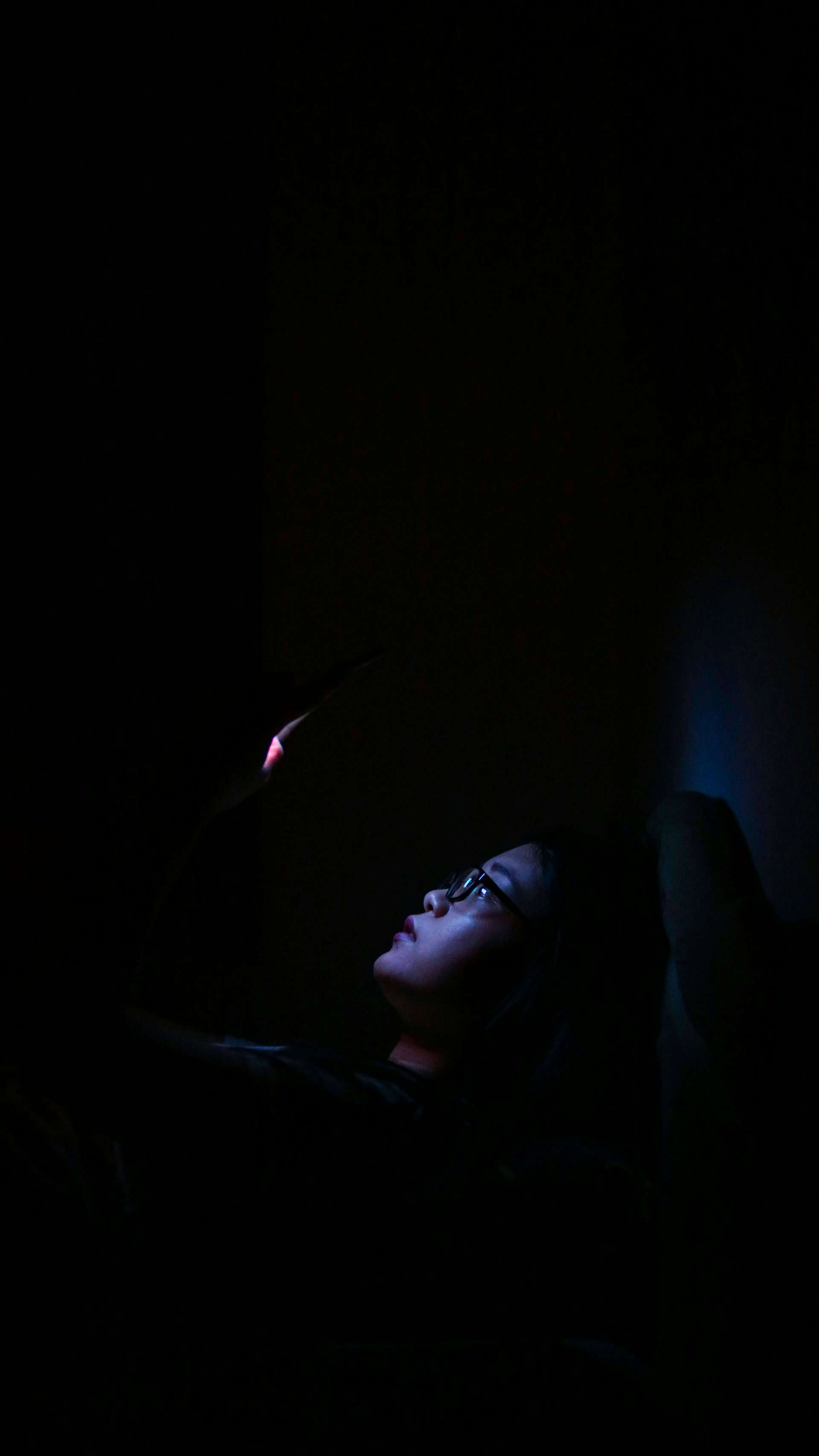
"Sleeping 8 hours makes you 100% focused. Staying up late only makes you 50% focused for 24 hours, because 12 AM is not the start of an adventure, but the start of chronic health problems."
The habit of staying up late or chronic sleep deprivation is often dismissed, especially among highly driven workers and students. However, behind those 'productive' late-night activities or boundless entertainment, lies a serious risk threatening your physical and mental well-being.
The ideal sleep duration for adults is 7–9 hours per night. Less than this, your body will begin to show negative reactions.
Here are the 5 main devastating effects caused by the habit of staying up late and lacking sleep:
1. Decline in Cognitive Function and Memory
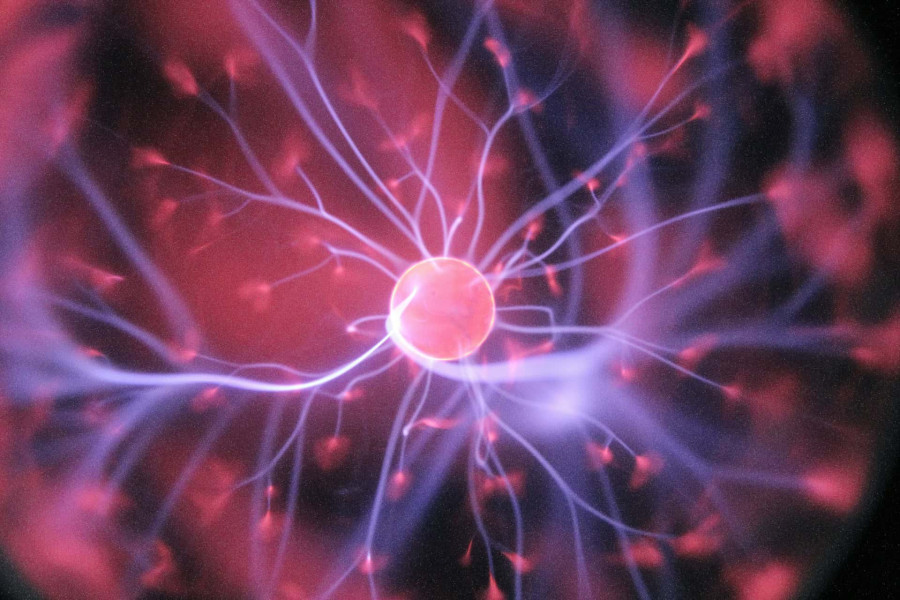
Photo by Hal Gatewood on Unsplash
While we sleep, our brain performs vital processes like memory consolidation and toxin clearance. Staying up late inhibits these essential functions.
•• Difficulty Concentrating: Lack of sleep lowers your level of alertness, concentration, and reasoning ability.
•• Impaired Memory: The brain's ability to record and recall new information is disturbed, making you more forgetful.
•• Mood Swings: Insufficient rest can cause you to be more irritable, stressed, and struggle with emotional regulation.
2. Increased Risk of Obesity and Type 2 Diabetes
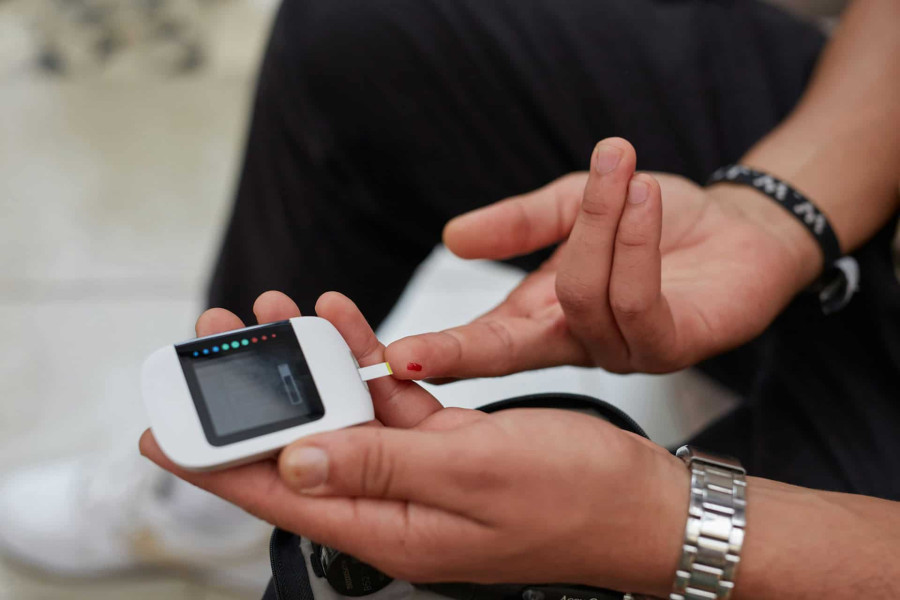
Photo by Sweet Life on Unsplash
Staying up late directly affects the hormonal balance that regulates metabolism and appetite.
•• Hormonal Disruption: Lack of sleep causes an increase in the hormone ghrelin (which triggers hunger) and a decrease in the hormone leptin (which signals satiety).
•• Poor Eating Habits: You tend to consume more high-calorie snacks or food at night because you are awake longer, contributing to weight gain and obesity.
•• Spiking Blood Sugar: Begadang is linked to increased blood sugar levels. Long-term, this raises the risk of developing Type 2 Diabetes Mellitus.
3. Weakening of the Immune System
Photo by mahyar mirghasemi on Unsplash
Sleep is the time for the immune system to produce protective substances like cytokines and antibody cells.
•• Prone to Infection: Sleep deprivation weakens the immune system, making you more susceptible to common infections like the flu, colds, or even more serious viruses.
•• Slow Recovery Process: If you are sick, staying up late can hinder the body's natural recovery process because defense cells are not working optimally.
4. Triggers Cardiovascular Diseases (Heart and High Blood Pressure)
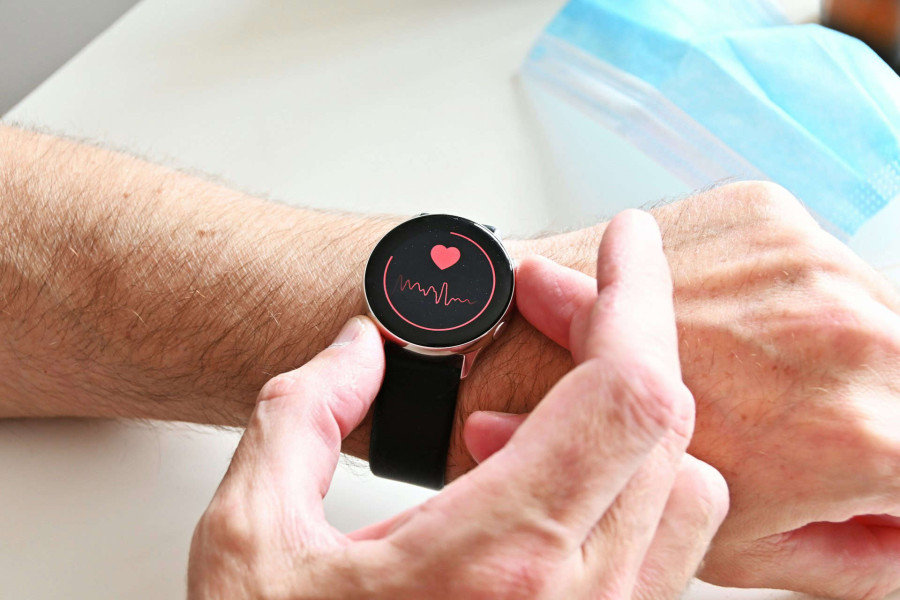
Bahaya jangka panjang dari begadang adalah peningkatan risiko masalah pada jantung dan pembuluh darah.
•• Hypertension: Sleeping less than 5–6 hours per night increases the risk of high blood pressure (hypertension) because the body struggles to control stress hormones.
•• Risk of Heart Attack & Stroke: Lack of sleep can cause inflammation that triggers blood clotting and disrupts the part of the brain that controls the circulatory system, increasing the risk of fatal cardiovascular diseases.
5. Premature Aging and Skin Disorders

Photo by Alexander Krivitskiy on Unsplash
The effects of staying up late are also visible on physical appearance, especially the skin.
•• Cortisol Production: Sleep deprivation triggers the excessive release of the hormone cortisol (the stress hormone). This hormone can break down collagen, the protein that keeps skin firm and elastic.
•• Signs of Aging: Damaged collagen accelerates the appearance of aging signs such as fine lines, wrinkles around the eyes, and makes the skin look dull and dry.
•• Dark Circles: Swelling and dark circles under the eyes are the most common visual effects of chronic lack of sleep.
Simple Tips to Overcome the Habit of Staying Up Late

Photo by Towfiqu barbhuiya on Unsplash
To break this bad cycle, you can start with the following steps:
1. Set a Sleep Schedule: Try to sleep and wake up at the same time every day, including weekends.
2. Create a Comfortable Sleep Environment: Put away gadgets at least 1 hour before bed, dim the lights, and make sure your room is quiet and cool.
3. Limit Caffeine and Alcohol: Avoid consuming these stimulants close to bedtime.
4. Exercise Regularly: Regular physical activity can improve sleep quality, but avoid intensive exercise too close to bedtime.
WRAP-UP!
Sleep is Not Just Rest, It's Repair

Staying up late is not a sign of productivity, but an act that slowly damages your body's system. Its negative effects reach almost every aspect of health—from weakened memory and metabolic disorders to the risk of life-threatening chronic diseases.
Prioritize 7–9 hours of sleep every night. Quality sleep is your body's natural repair mechanism; it rejuvenates the brain, stabilizes emotions, and strengthens defenses. Managing your sleep time means you are investing in your long-term energy, focus, and health. Don't delay, go to bed earlier, and feel the difference.