

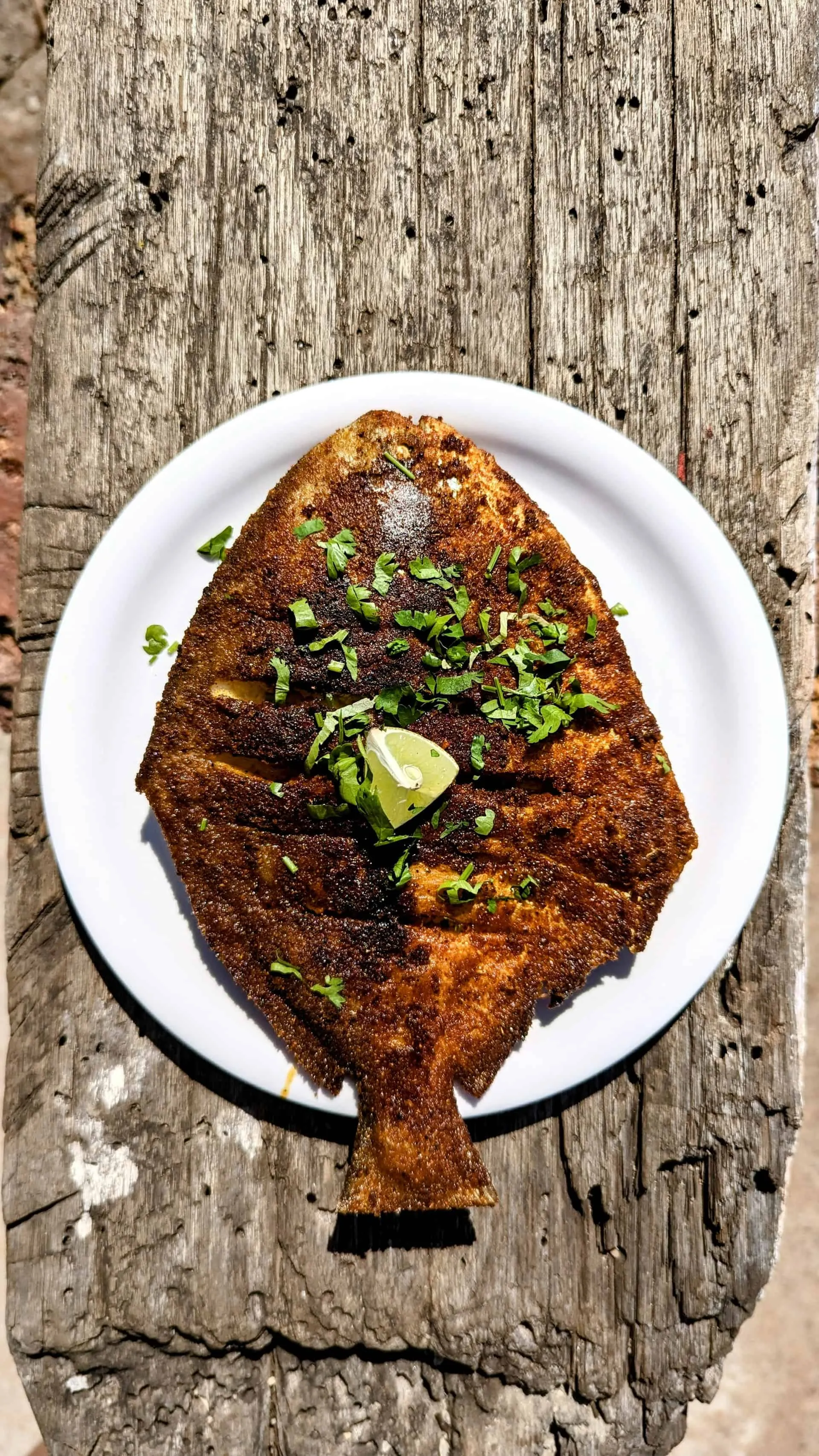

Photo by Atharva Whaval on Unsplash
The world of seafood protein is undergoing a significant paradigm shift through the application of the Dry-Aging technique, a method that for decades was usually only synonymous with beef processing (dry-aged beef). Now, progressive chefs around the world are beginning to realize that fish also possesses hidden potential that can only be awakened through a controlled aging process.
Dry-Aged Fish is not merely fish that has been stored in a refrigerator; it is the result of a modern alchemy process involving highly precise control of temperature, humidity, and air circulation over several days to weeks. The primary goal is to naturally break down enzymes within the fish's muscle tissue. The result is a transformation into a meat texture that is much firmer yet paradoxically melts in the mouth, with a umami flavor concentration that increases drastically as the moisture content within the fish tissue decreases.
"Transforming raw freshness into a mature depth of flavor through the precision of time."

Photo by Parth Tendulkar on Unsplash
High-quality fish such as Madai (Japanese red snapper), Kinki, or even fatty tuna variants that undergo this process will lose their sharp, fishy aroma. Instead, the aging process brings out notes of nuts (nutty) or a subtle touch of butter (buttery), especially when the skin is quickly seared over binchotan charcoal.
Appreciation for dry-aged fish reflects the maturity of today's culinary enthusiasts who are now seeking a complex "flavor character" rather than just the one-dimensional definition of conventional freshness. In various exclusive sushi bars and progressive seafood restaurants, this technique is seen as the ultimate form of respect for sea-sourced ingredients. Each type of fish is given a different aging duration, microscopically adjusted to its fat content and fiber structure.
"Deliciousness born from patience; where every day of aging adds another layer to the flavor story."

Photo by Tadahiro Higuchi on Unsplash
The presentation of dry-aged fish is often kept very pure and minimalist. Usually, it is served with just a light brush of artisan soy sauce or a grating of freshly prepared wasabi, ensuring that the full complexity of the aged flavor is not masked by excessive seasoning. However, behind its luxurious taste, this phenomenon also carries a strong message of sustainability. Fish processed through dry-aging has a longer shelf life and more stable quality compared to regular fresh fish, thereby significantly reducing food waste in professional kitchens.
Enjoying a piece of dry-aged fish is not just an ordinary dining activity; it is an intellectual experience of how time, science, and biochemistry can work together to transform basic sea ingredients into a profound and authoritative work of culinary art.

Photo by Harrison Chang on Unsplash
WRAP-UP!
The dry-aged technique in fish proves that true deliciousness often requires time to "breathe" and transform. When visiting high-end sushi restaurants, ask if they have aged fish on the menu; try it without extra sauce to experience the pure umami explosion.
Looking to feature your brand and business through Alinear Indonesia’s Smart Publication & Smart Activation? Share your experience and consult with us today. Click here!
![Alinear Indonesia [Brand/Business Registration] Smart Publication & Smart Activation](https://www.alinear.id/assets_web/images/qr-codes/3e23e7dab43d2e72854ba48a3a09cf75.jpg)