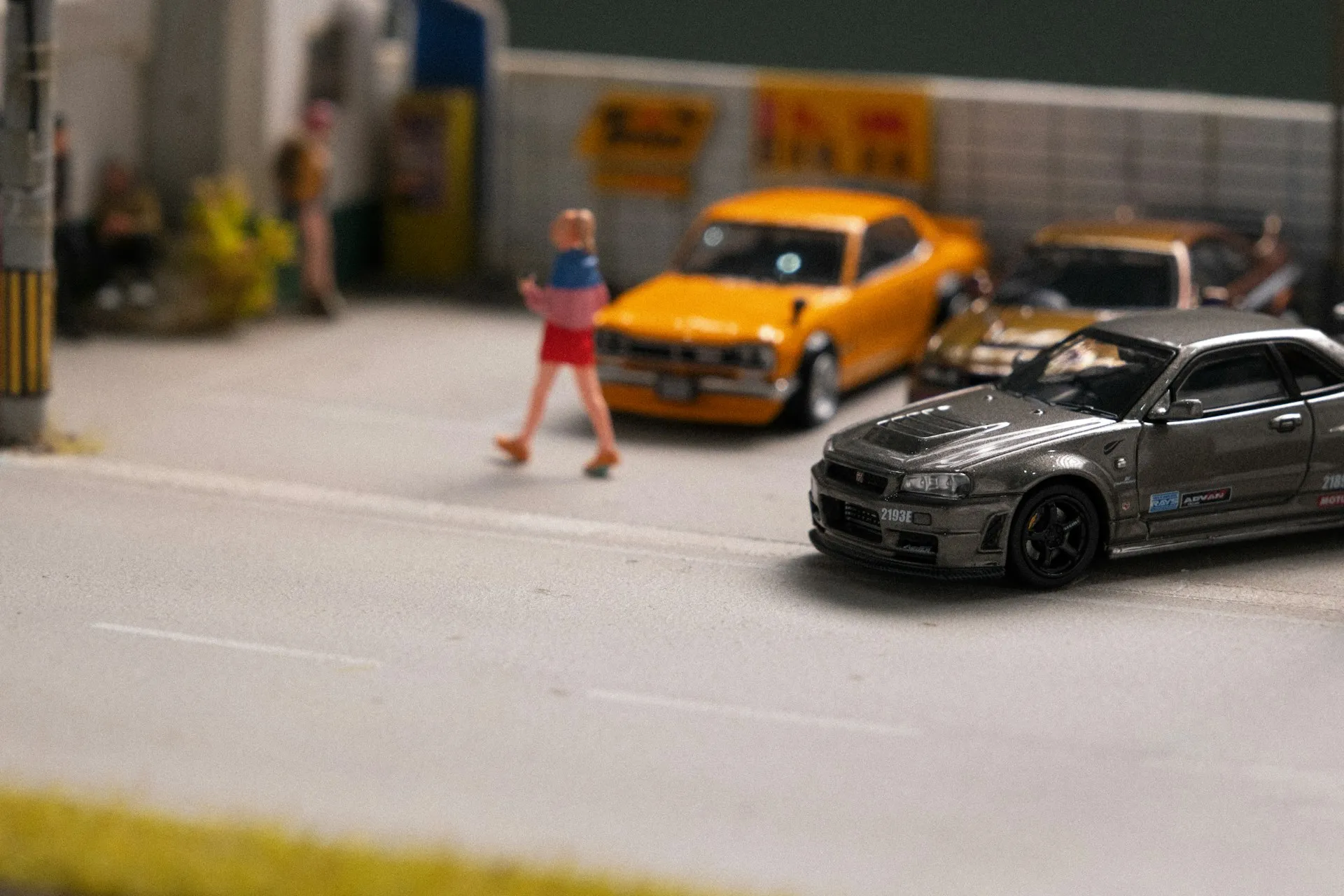

The world of micro scale model collecting is moving through a significant paradigm shift regarding how physical objects are appreciated. For decades, the highest benchmark of a collector's discipline was measured by absolute preservation—keeping items sealed inside their original blister packs (mint in box) or arranged behind sterile, dust-free acrylic showcases. While this preservation methodology safeguards long-term asset value, it frequently neutralizes the dynamic design heritage and historical narrative inherent in mechanical models.
The desire to see these scaled mechanical objects interact with a believable environment has catalyzed a specialized subculture focused on miniature landscape engineering. Collectors are advancing past passive preservation to operate as micro-scale urban planners. They assemble precise structural sets that serve as theatrical backdrops, re-animating the form of the model and developing an integrated visual storyline around a static object.
Bringing a micro-scale landscape to life requires rigorous technical discipline and an acute understanding of material textures. The assembly process coordinates a variety of structural mediums to replicate real-world surfaces: high-density polystyrene is carved to mimic cracked concrete, clear epoxy resins are cured to simulate reflective rain-slicked asphalt, and static fibers are applied to reproduce urban moss encroaching on weathered brickwork.
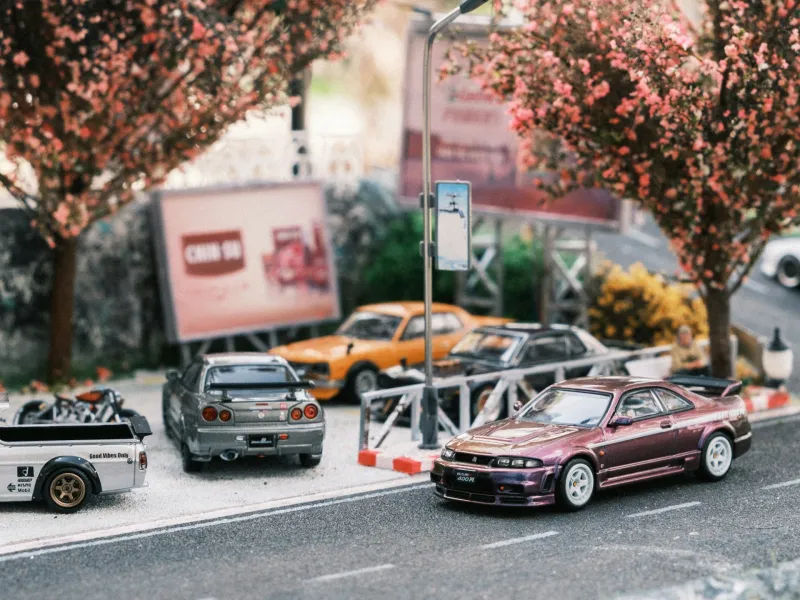
The most critical variable establishing the atmosphere of the diorama is the integration of the electrical layout. Utilizing micro SMD (Surface Mounted Device) LEDs allows modelers to route wiring inside miniature structural partitions, cleanly mimicking the high-contrast neon illumination of modern urban alleys, classic vintage fuel stations, or the dim, amber glow of a localized workshop.
This meticulous presentation of historical mechanical details aligns seamlessly with recording mediums that carry a distinctly textured visual output. This integration creates a unique visual harmony; while the micro diorama provides structural physical accuracy, lo-fi recording formats wrap the scene in deep atmospheric texture, shifting the viewer into a highly authentic, memory-rich timeline.
The availability of these hyper-detailed miniature environments has elevated toy photography into a professional creative discipline. Visual artists are moving away from flat-surface staging to actively manipulate camera placement, utilizing extreme low-angle perspective to dissolve the boundary between miniature scale and full-sized reality.
Positioning the camera lens level with the tires of a 1:64 scale model creates a dramatic human-eye perspective. Micro LED arrays reflecting off cured resin surfaces deliver high-contrast flare patterns reminiscent of premium action cinema. Each shutter release functions as a controlled space for visual experimentation, capturing not only the clean contours of the collectible but communicating velocity, weight, and ambient urban mood.
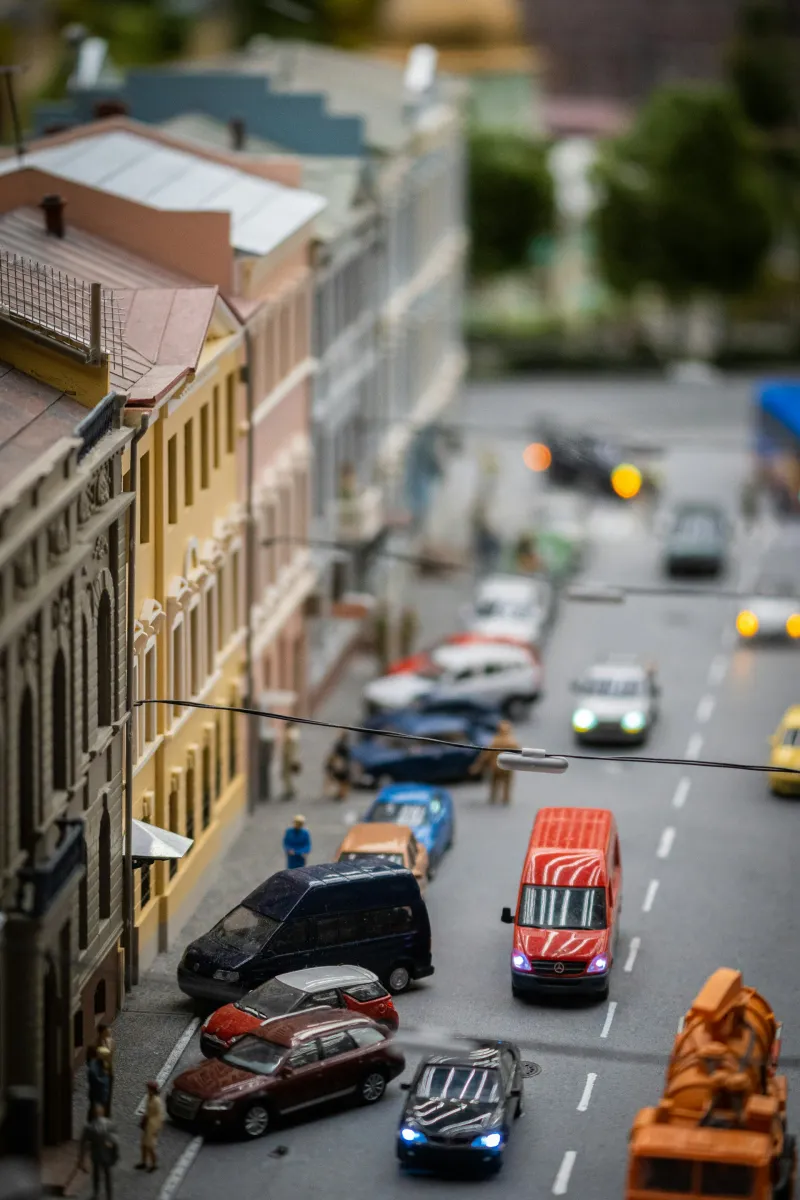
Photo by Ainur Khakimov on Unsplash
This movement also highlights a deep appreciation for manual craftsmanship within contemporary hobby groups. Translating large-scale industrial wear into microscopic proportions demands profound patience. Generating oxidation gradients on miniature corrugated gates, applying microscopic graffiti to poured plaster walls, or stacking scaled tires in a garage alcove are executed using fine dental picks and high-magnification loupes.
This investment in micro-details raises the framework from a simple leisure activity to a recognized discipline of contemporary installation art. Collectible communities place a premium on this manual process, where the ultimate value of a finished piece is determined not by the factory price of the base model, but by the build hours and technical accuracy invested in the surrounding landscape.
"The absolute premium tier of modern collecting is no longer determined by how tightly a plastic blister pack is sealed, but by the historical depth of the miniature world constructed to set the model free."
Looking forward, the architecture of micro diorama design is projected to continue expanding as a core driver within digital creative media. Social platforms are transitioning from repositories for static images into interactive digital galleries where modelers share short-form cinematic video reels detailing their miniature environments.
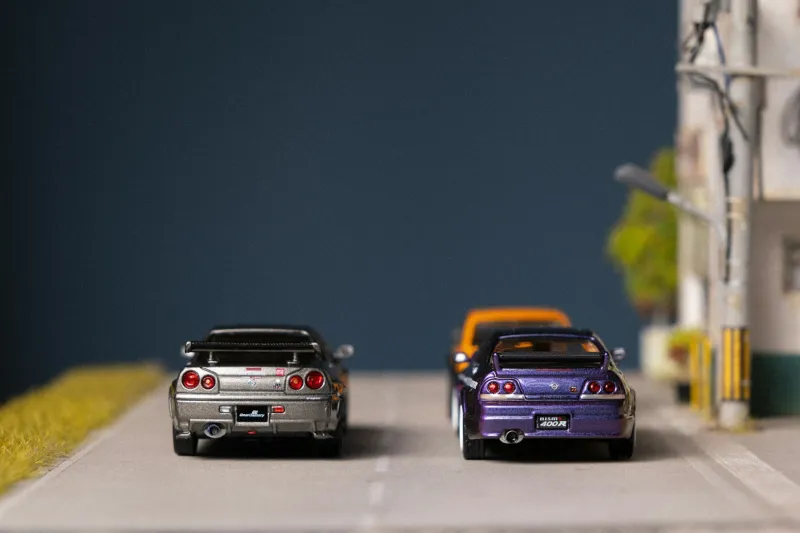
The combination of physical modeling science, cinematic lighting techniques, and historical visual curation modifies the consumption of traditional hobbies. In an era that highly values unique, narrative-driven visual content, these micro-scale structures prove that human imagination is never constrained by physical size, building complete, captivating worlds from the edge of a standard workbench.
"When micro LED arrays reflect off a custom-cured resin street, the boundary between plastic replica and structural asphalt dissolves entirely within a single cinematic frame."
WRAP-UP!
The rise of the Diecast Diorama Crafting trend demonstrates that the future of premium collecting relies on building interactive, highly aesthetic environmental narratives. The utilization of specialized micro-materials and targeted lighting arrays systematically elevates scale models into living installation art. This technical approach to documentation works in complete alignment with the textured visual output found within, demonstrating that contemporary collector satisfaction is reached when miniature physical accuracy balances smoothly with recording mediums that hold historical soul and texture.
Isolate a priority scale model from your collection; utilize a remnant piece of high-density insulation foam to practice basic stone-carving and texturing techniques to calibrate your hand to micro-scale geometry.
Looking to feature your brand and business through Alinear Indonesia’s Smart Publication & Smart Activation? Share your experience and consult with us today. Click here!
![Smart Publication+ 3.0: Build Authority. Drive Growth. [Technical Specification]](https://www.alinear.id/assets_web/images/qr-codes/bd48cb0acb2d9586570edb8a7303cee1.jpg)