


Photo source by SR Digital - Alinear Indonesia (Adobe FireFly - AI Generated)
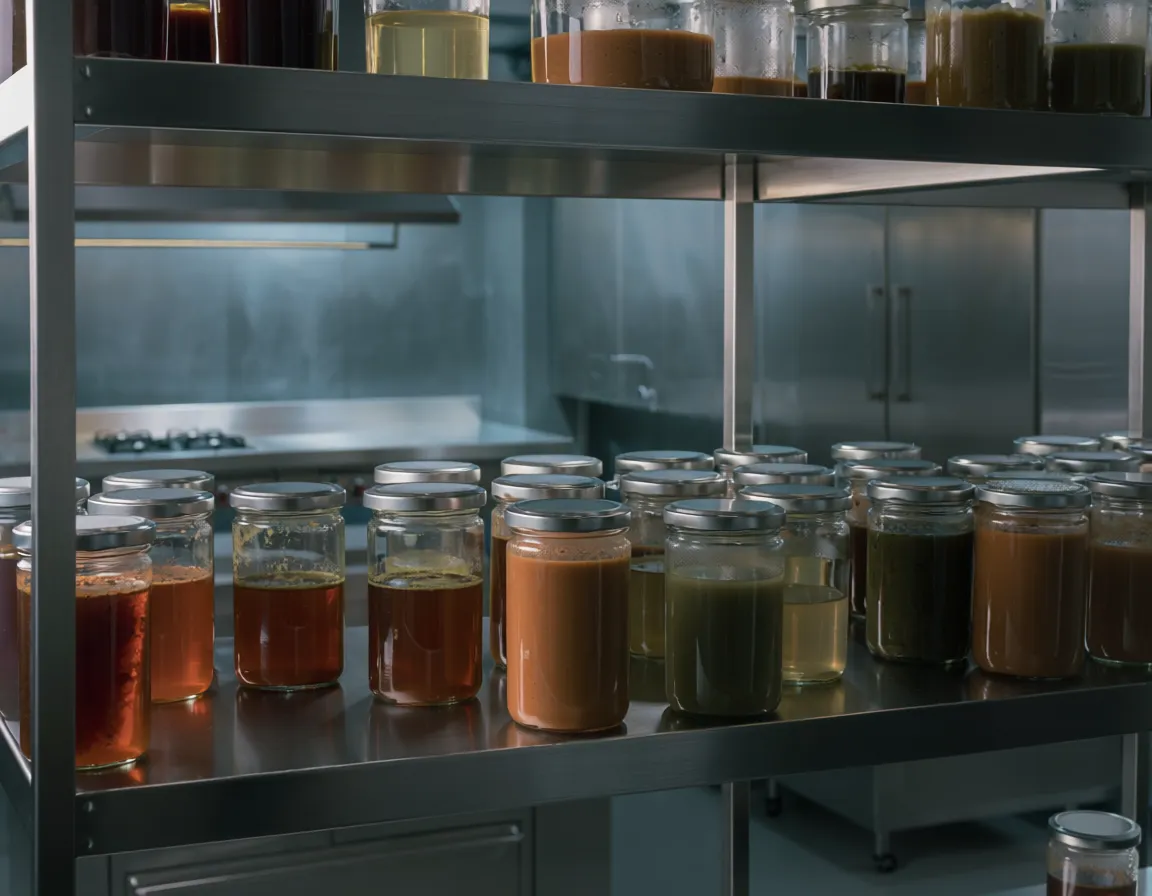
The modern gastronomy scene is witnessing a fascinating shifting point where the hidden spaces behind progressive kitchens are being transformed into dedicated Fermentation Labs. Top-tier restaurants are systematically moving away from standard commercial flavor enhancers and generic mass-produced condiments. Instead, they are investing resources into building independent in-house laboratories to brew their own signature ingredients.
This structural transformation represents a new chapter in culinary maturity. Rather than relying on immediate seasoning shortcuts, chefs are establishing controlled ecosystems to develop koji, harvest artisanal kombucha, age localized miso variations, and brew customized amino liquids from surplus protein trims. This meticulous integration of science and culinary art changes the traditional back-of-house workflow, turning modern kitchens into hotbeds of biological experimentation.
The Mechanics of Slow-Crafted Bio-Umami
The operation of a high-end fermentation lab centers on mastering environmental variables to guide helpful microbes. It shifts the chef's role from a simple cook to an orchestrator of microscopic life.
By exploring the precise intersection of biology and taste, forward-thinking kitchens manage two foundational techniques that help unlock unmatched depth of flavor.
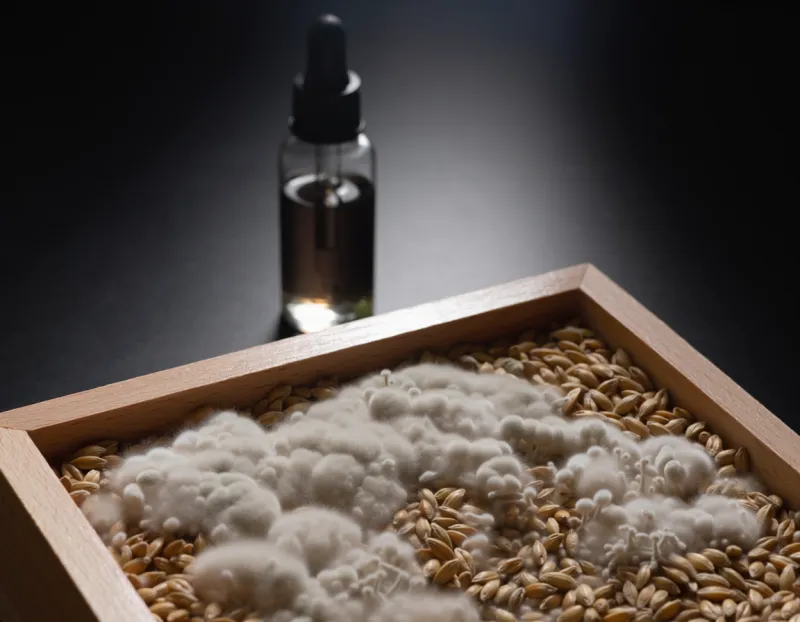
Photo source by SR Digital - Alinear Indonesia (Adobe FireFly - AI Generated)
•• Precision Aspergillus Oryzae (Koji) Incubation: Cultivating noble mold strains over specific local grains under highly controlled temperature and humidity settings. This enzymatic process breaks down complex starches into sweet, complex sugars and deep proteins, forming the flavor base for signature sauces.
•• Upcycled Amino Liquid Extraction: Transforming pristine, surplus cuts of fish, poultry, or beef into rich savory elixirs through controlled enzymatic breakdown. This technique coaxes intense umami compounds out of materials that would traditionally be thrown away, showcasing an advanced approach to kitchen efficiency.
Circular Gastronomy Shared with Plant-Based Sweets
This deep exploration of alternative flavor development—rooted in zero-waste, circular loops, and deep botanical processing—shares a clear conceptual foundation with the eco-friendly innovations outlined in [Plant-Based Gelato: Vegan Ice Cream]. Both movements reject surface-level substitutes in favor of understanding raw materials at a molecular level. Whether utilizing specific plant proteins to achieve perfect mouthfeel without dairy, or deploying active mold cultures to develop deep savory notes without factory additives, these techniques share a dedication to sustainable luxury. They prove that responsible resource use and incredible culinary indulgence can support one another beautifully.
By replacing long supply chains with internal bio-conversion systems, modern kitchens build a highly authentic culinary perspective. They ensure that their signature flavors remain anchored to genuine craftsmanship rather than industrial shipping routes.
"The future of fine dining no longer relies on expensive imported ingredients, but on a chef’s skill in orchestrating microorganisms to birth truly authentic flavor profiles."
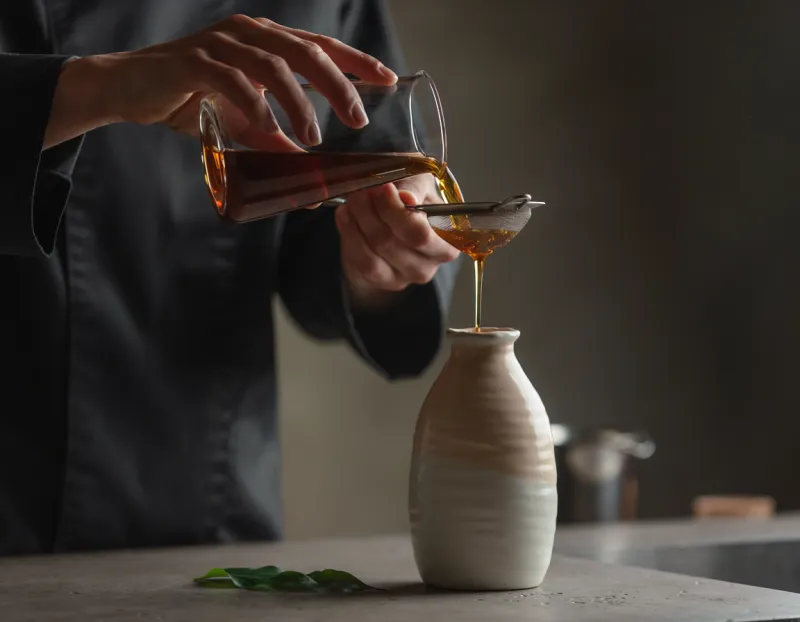
Photo source by SR Digital - Alinear Indonesia (Adobe FireFly - AI Generated)
Cultivating Brand Defensibility Through Living Cultures
Operating an active, clean fermentation laboratory is more than a creative statement; it is a smart business move designed to insulate a restaurant from industry copycats:
•• Uncopiable House Identity: Because wild yeast strains and localized room microflora vary naturally, the resulting misos, garums, and vinegars develop a distinct taste profile that competitors cannot replicate.
•• True Menu Resiliency: Shifting reliance from fluctuating international gourmet markets toward internally refined grains and protein upcycling provides an excellent buffer against supply chain changes.
•• Radical Creative Freedom: Developing custom savory agents allows culinary teams to design menu items entirely from scratch, unconstrained by standard commercial retail catalogs.
"In an era of instant gratification, embracing an ingredient that requires months of microscopic patience is the ultimate expression of culinary authority and integrity."
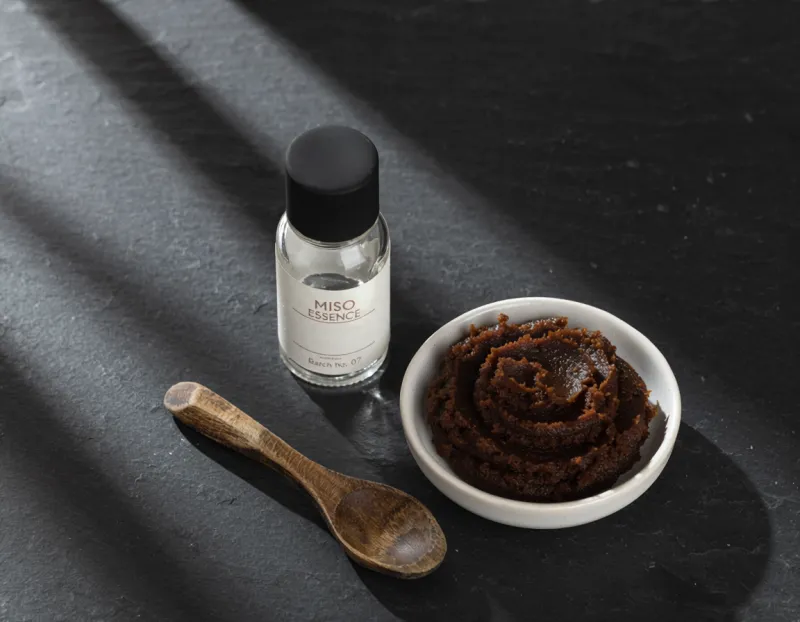
Photo source by SR Digital - Alinear Indonesia (Adobe FireFly - AI Generated)
The Longevity of Bio-Curated Food Ecosystems
The growing popularity of dedicated fermentation spaces points to a mature, long-term direction for global food culture. Discerning guests want deeper substance from their meals, showing a clear preference for transparency, craftsmanship, and real narrative weight over flash-in-the-pan visual gimmicks. When kitchens take ownership of their base flavor profiles through biological collaboration, they elevate dining from mere consumption into a living cultural experience. This structural commitment ensures that modern gastronomy remains a space for profound, intentional creativity.
THE WRAP-UP!
Fermentation Labs represent a significant evolutionary step for modern restaurants looking to establish a bulletproof flavor identity while championing circular kitchen economies. By taking control of Aspergillus oryzae cultivation and amino liquid production, progressive chefs escape the limitations of commercial ingredients, offering guests a deeply authentic dining experience that honors biological patience.
Begin auditing your kitchen's current ingredient pipelines and organic surplus lifecycles. Dedicate a secure, climate-controlled zone within your back-of-house structure to function as a pilot incubation space. Partner with trusted local food scientists to source clean heirloom starter strains, and initiate small-batch koji and amino trials to anchor your brand's future flavor profile in real artisan mastery.
Looking to feature your brand and business through Alinear Indonesia’s Smart Publication & Smart Activation? Share your experience and consult with us today. Click here!



![Alinear Indonesia [Brand/Business Registration] Smart Publication & Smart Activation](https://www.alinear.id/assets_web/images/qr-codes/3e23e7dab43d2e72854ba48a3a09cf75.jpg)