



Photo source by SR Digital - Alinear Indonesia (Adobe FireFly – Gemini AI)
In conventional beverage taxonomy, the carbonated drink category has long been associated with mass-produced artificial syrups, synthetic colorants, and high sugar content that yield empty calories. However, modern market dynamics reveal a massive shift where the dominance of these artificial ingredients is rapidly being replaced by cleaner, functional alternatives. Consumers are increasingly demanding products that do not merely quench thirst but deliver genuine value to physical well-being.
The validation of this new beverage archetype is found in the rising popularity of Fermented Botanical Sodas (fermented botanical sodas). Bypassing forced carbonation methods that rely heavily on industrial CO2 gas, these beverages depend entirely on a delicate, natural effervescence born from controlled micro-fermentation. This tactical approach shatters the old dichotomy that sparkling drinks are inherently detrimental to long-term physical health.
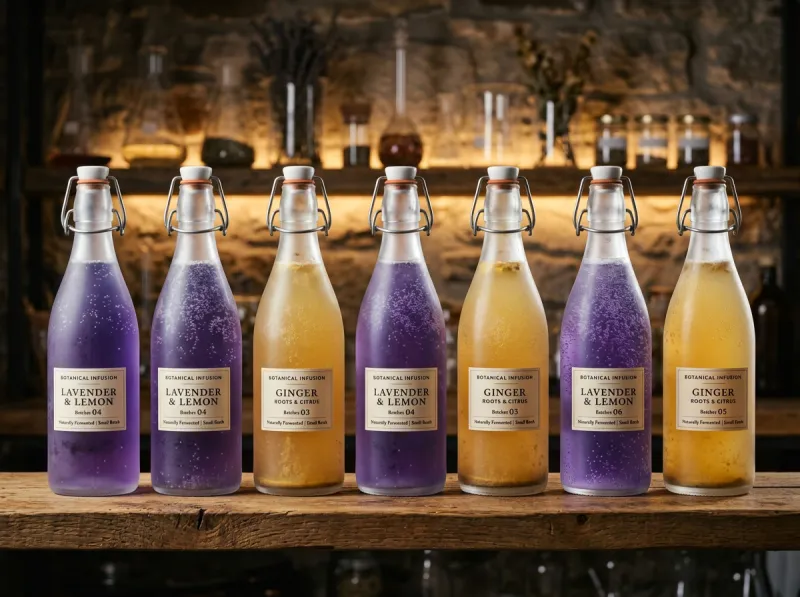
Photo source by SR Digital - Alinear Indonesia (Adobe FireFly – Gemini AI)
"Fermented Botanical Sodas"
Operationally, engineering a competitive beverage menu in a saturated F&B industry demands calculated innovation. Crafting Fermented Botanical Sodas is far more than an arbitrary mixing of ingredients; it requires precision extraction and systematic fermentation models. This methodology rejects fast, instant preparation cultures to safeguard flavor depth and secure high-grade functional quality.
The primary characteristics that allow this beverage archetype to function as a sophisticated symbol of modern refreshment encompass three fundamental pillars:
–– Micro-Fermentation and Natural Carbonation: A biological process utilizing beneficial microbial cultures to consume natural sugars, converting them into organic CO2 bubbles. This results in a significantly smoother, finer effervescence on the palate.
–– Artisan Herb and Botanical Curation: Blending deliberate infusions of flora such as lavender, rosemary, elderflower, and native ginger varieties. This combination creates a rich, multi-layered aroma experience upon inhalation.
–– Complex Flavor Profiles Free of Empty Calories: Instead of delivering a one-dimensional sweet note, the fermentation process coaxes out a wide-spectrum character—a balance of crisp organic acids, minimal residual sweetness, and calming aromatics.
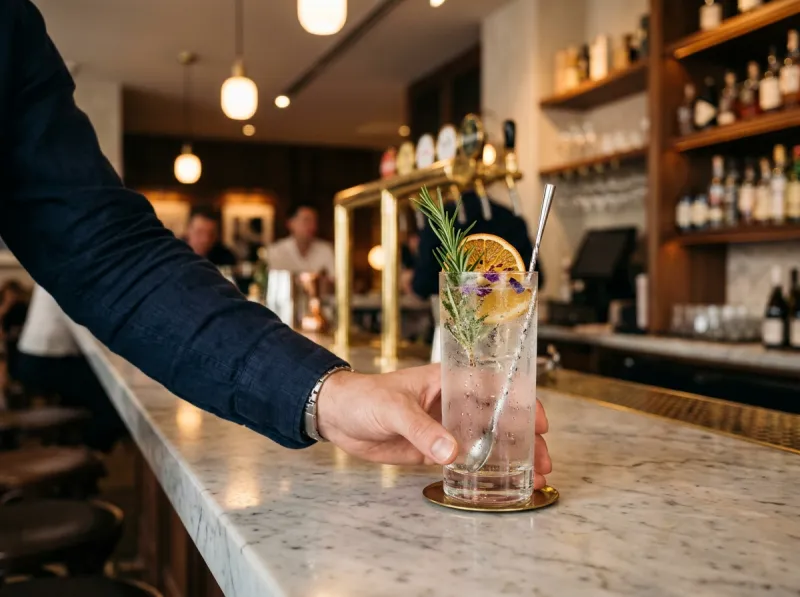
Photo source by SR Digital - Alinear Indonesia (Adobe FireFly – Gemini AI)
The Competitive F&B Arena and Eliminating Flavor Monotony
Modern culinary operations demand that establishments move within a lean, high-impact menu structure. In this competitive landscape, the value of a cafe or bar is no longer measured by the sheer volume of choices offered, but by the tactical uniqueness and flavor originality of each specific creation.
Consumer behavior metrics demonstrate that products offering clear functional benefits alongside a unique sensory experience yield significantly more stable customer retention rates. Fermented Botanical Sodas maintain long-term relevance because they treat raw ingredients as artistic instruments. The core focus is directed toward securing maximum flavor satisfaction with optimized ingredient efficiency, reflecting a real-world execution of modern mixology innovation.
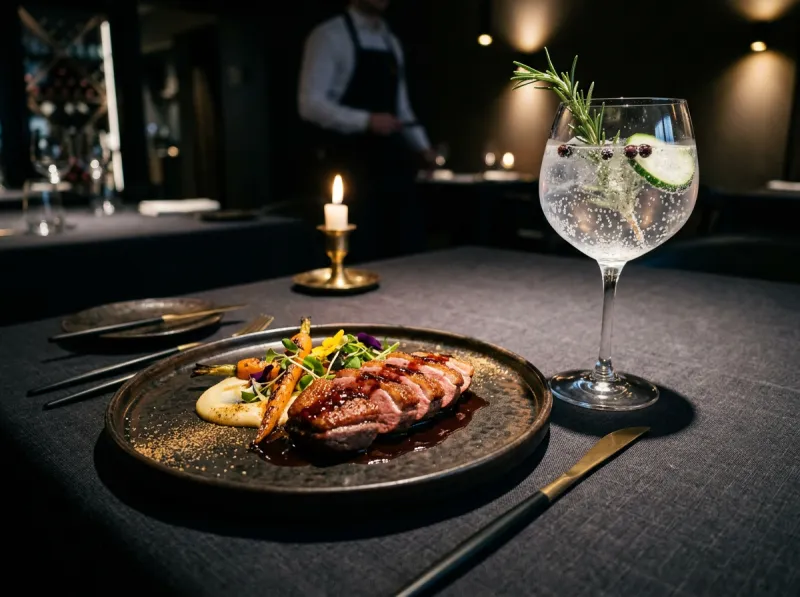
Photo source by SR Digital - Alinear Indonesia (Adobe FireFly – Gemini AI)
Sensory Complexity into Fine Dining
Understanding the psychological profiles and taste preferences of quality-driven consumers is a critical asset when establishing a reputable dining destination. The flavor complexity and tactile interaction experienced while enjoying a curated glass of herbal soda makes it an ideal fit for the [Interactive Chef’s Table: Fine Dining] framework.
Within a fluid fine dining environment, the presence of Fermented Botanical Sodas introduces a sophisticated non-alcoholic pairing alternative. This structural clarity of flavor acts as a gastronomic bridge, shielding the guest's sensory energy from the risks of premature palate fatigue.
"When freshness converges with the functional benefits of fine herbs, a glass of soda ceases to be a simple thirst quencher—it transforms into a healthy, multi-layered flavor journey."
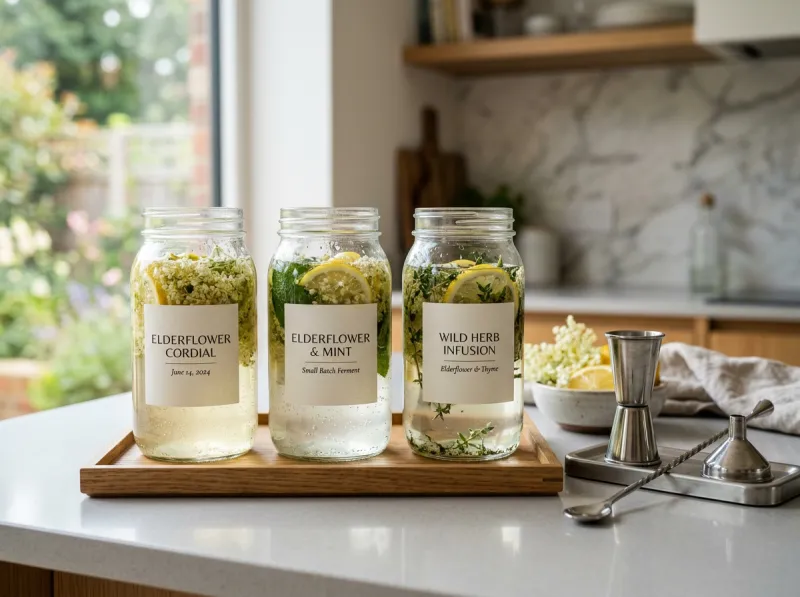
Photo source by SR Digital - Alinear Indonesia (Adobe FireFly – Gemini AI)
Strategic handling of daily bar or cafe operational challenges centers heavily on the standardization of fermentation environments, rather than unmonitored mass-testing. The optimal strategy relies on establishing strict fermentation timelines backed completely by empirical sanitation data.
Grasping the mechanics behind the Fermented Botanical Sodas concept allows an enterprise to reassess its reliance on pre-made, commercially processed ingredients. Recognizing that premium products are achieved through structured, house-fermented starter systems enables establishments to depend on objective culinary facts, preserve flavor consistency, and keep the creative workspace highly productive.
"Building tight operational boundaries around fermentation consistency is a vital strategic defense to preserve menu integrity and protect a culinary venue's reputation."

Photo source by SR Digital - Alinear Indonesia (Adobe FireFly – Gemini AI)
WRAP-UP!
Analyzing the transition from commercial syrups to the Fermented Botanical Sodas archetype is a highly relevant metric in modern F&B industry dynamics. This drink profile represents a strategic mixology model driven by precise wellness targets, low tolerance for artificial inputs, and the calculated deployment of natural biological processes. Navigating market competition demands that owners enforce clear quality boundaries, which can be structurally reinforced through consistent recipe research to preserve customer loyalty while securing profit efficiency.
The initial step begins with auditing the use of high-fructose syrups across your bar counter. Shift your mixology team's research focus toward building and maintaining consistent house fermentation starters (such as ginger bugs or water kefir) using local and global artisan herbs. This concrete action frees up the creative capacity of your bar team, slashes operational dependency on imported commercial components, and ensures that menu differentiation milestones are achieved via the most efficient pathway possible. Minimizing ingredient supply-chain friction remains a strict prerequisite for long-term profit growth.
Looking to feature your brand and business through Alinear Indonesia’s Smart Publication & Smart Activation? Share your experience and consult with us today. Click here!



![Alinear Indonesia [Brand/Business Registration] Smart Publication & Smart Activation](https://www.alinear.id/assets_web/images/qr-codes/3e23e7dab43d2e72854ba48a3a09cf75.jpg)