


Photo source by Alinear Indonesia Docs. (Adobe FireFly – Gemini AI)
The traditional operational model of retail agencies and legacy fashion houses—built on bloated hierarchies ranging from manual trend forecasters to dedicated graphic teams and complex logistics pipelines—is facing a profound technological inflection point. Aligning with the sharp tactical critiques curated by TechCrunch, high operational overhead and sluggish production cycles have rendered legacy structures incapable of responding to the rapid shifts of urban consumer taste.
This structural vulnerability has ignited The Ghost-Brand Phenomenon across Jakarta. Powered by the democratization of specialized micro-AI toolstacks, independent solo founders are quietly rewriting the rules of streetwear entrepreneurship. Operating without commercial office leases, large payrolls, or warehouse inventory bloat, these phantom operators launch agile apparel lines that command massive commercial attention while maintaining a ghost-like physical footprint.
Micro-AI Stacks vs. Legacy Agencies
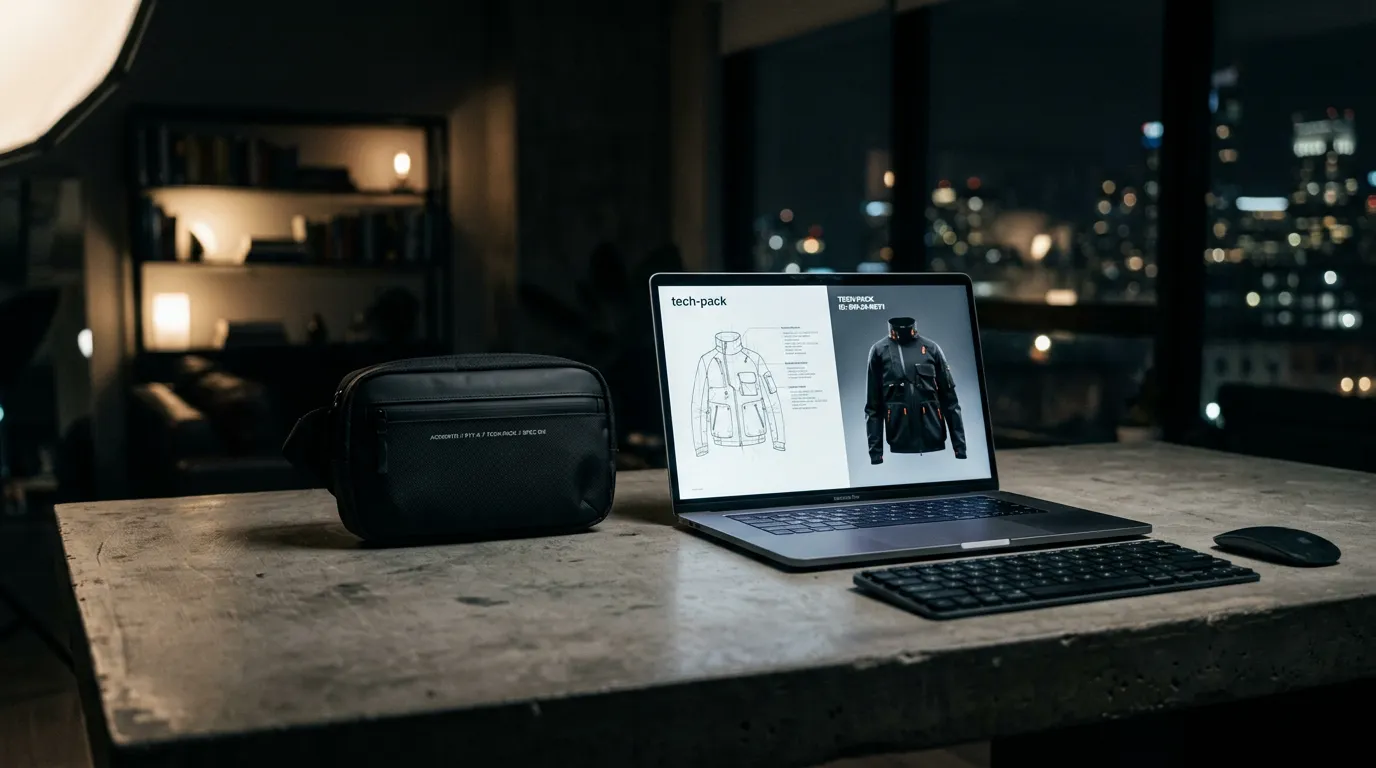
The competitive advantage of a Ghost-Brand lies in its composable software architecture, engineered to replace entire human operational departments.
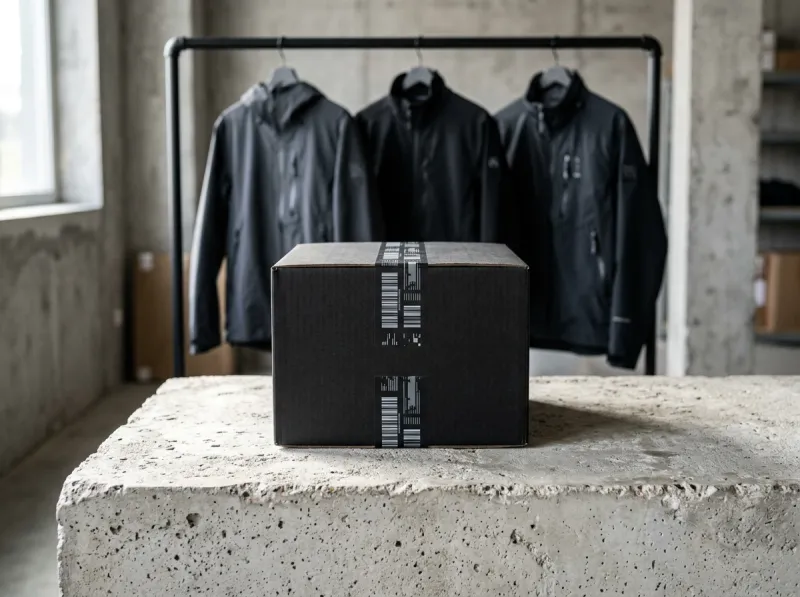
Photo source by Alinear Indonesia Docs. (Adobe FireFly – Gemini AI)
Instead of spending weeks on manual sketchboards, Ghost-Brand founders utilize fine-tuned generative design pipelines to render technical garment specifications (tech-packs), print placement vectors, and conceptual lookbooks in real time. Consumer sentiment is isolated using predictive algorithms that scan social signals across urban subcultures, ensuring exceptional product-market fit before a single fabric unit is cut.
The Automated Micro-Supply Chain Pipeline
The production pipeline and limited-drop execution in this model are engineered to run linearly through integrated software protocols.
Once a vector pattern is approved by the founder, production files and material specifications are automatically transmitted via API integrations directly to vetted local manufacturing nodes in Jakarta or Bandung. Garments are produced in hyper-limited micro-drops based on pre-order volumes, eliminating deadstock liability and securing immediate positive cash flow dynamics from day one.
Authenticity in the Age of Algorithmic Design
Evaluating this shift through the technological ethics lens curated by Wired, the proliferation of Ghost-Brands sparks a critical debate regarding artistic authenticity. When apparel is designed by algorithms and produced via automated supply loops, where does the true cultural identity of a streetwear label reside?
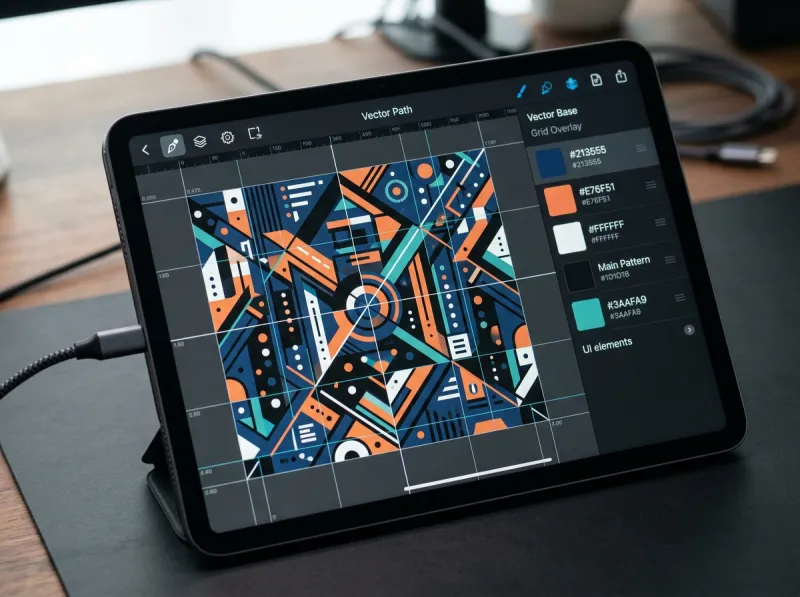
Photo source by Alinear Indonesia Docs. (Adobe FireFly – Gemini AI)
Critics argue that heavy reliance on algorithmic design risks driving visual homogenization across urban fashion. However, Ghost-Brand operators counter that AI functions as an advanced digital brush. The human element does not vanish; it elevates into the role of a taste curator whose primary responsibility is directing, filtering, and injecting authentic subcultural narratives into the machine's output. Uncompromised curatorial direction remains the sole differentiator between generic AI output and an authoritative Ghost-Brand with a loyal community.
"The future of apparel retail no longer requires multi-story corporate headquarters or bloated division headcount; it requires a single taste curator armed with a precise micro-AI stack."
Urban Apparel Entrepreneurship
Ultimately, The Ghost-Brand Phenomenon signals a new era in digital entrepreneurship. Building an authoritative, high-margin apparel brand no longer requires massive venture capital or physical corporate infrastructure.
Merging sharp local cultural intuition with the execution speed of micro-AI engines represents the ultimate realization of modern operational efficiency. Future retail operators who embrace this distributed, lean architecture will dominate the urban landscape—proving that high-impact fashion houses can be orchestrated from a single laptop, permanently altering the competitive terms of legacy retail.

Photo source by Alinear Indonesia Docs. (Adobe FireFly – Gemini AI)
"Ghost-Brands do not merely sell technical streetwear; they monetize algorithmic responsiveness to systematically hack the operational overhead of traditional retail."
WRAP-UP!
The Ghost-Brand Phenomenon demonstrates how micro-AI stacks democratize the urban apparel entrepreneurship matrix. By automating trend synthesis, pattern generation, and supply chain logistics, solo founders eliminate legacy overhead and challenge traditional agency dominance through ultra-agile micro-drop execution.
Aspiring entrepreneurs aiming to deploy a Ghost-Brand framework should invest in fine-tuning custom AI models with unique design datasets to preserve visual brand identity, secure partnerships with agile local manufacturers capable of executing small-batch pre-orders, and cultivate tight-knit community channels to sustain authentic brand loyalty.
Looking to feature your brand and business through Alinear Indonesia’s Smart Publication & Smart Activation? Share your experience and consult with us today. Click here!



![Alinear Indonesia [Brand/Business Registration] Smart Publication & Smart Activation](https://www.alinear.id/assets_web/images/qr-codes/3e23e7dab43d2e72854ba48a3a09cf75.jpg)