



Photo by Kelly Sikkema on Unsplash
Professional work-habit exploration often circles back to the simplest tools sitting on a desk: a sheet of paper and a pen. Amid cascading instant messages, incoming emails, and ever-growing digital task lists, opening a computer screen first thing in the morning frequently pulls attention toward reactive requests. Writing key tasks and important deadlines into a physical notebook before waking up your screen creates a clear pause to set weekly work direction intentionally.
Writing down key tasks and important deadlines in a physical notebook before opening a computer screen helps sort urgent work from routine busywork. A concise handwriting habit keeps daily work direction measurable while providing clear review space at the end of the week.
"Writing key tasks in a physical notebook before opening a computer separates urgent priorities from routine busywork."
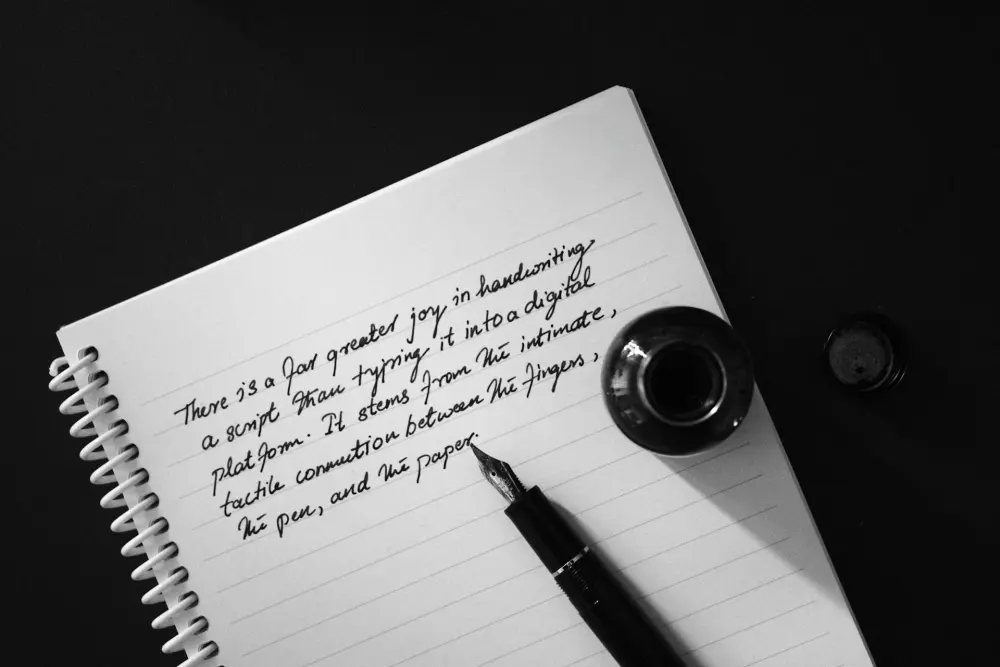
Photo by atelierbyvineeth ... on Unsplash
Why Does Handwriting Before Opening a Computer Sort Priorities So Effectively?
The core advantage of handwriting in a physical notebook lies in tangible page boundaries and a steadier thinking pace. Unlike digital to-do apps that easily absorb dozens of unchecked entries without friction, a single notebook page forces you to select only work that truly moves outcomes forward.
This quick-field-notes approach to work habits sharpens decision-making before the workday starts. Writing by hand before opening a computer screen encourages deliberate processing—separating urgent work and important deadlines from routine busywork that consumes hours without meaningful progress.

Photo by ABHAY PADITKAR on Unsplash
How Do Concise Notes Keep Daily Work Measurable Through Weekend Review?
Writing down key tasks and important deadlines in a physical notebook before opening a computer screen helps separate urgent work from routine busywork. A concise handwritten note-taking habit keeps daily work direction measurable while creating clear space for review at the end of the week.
A physical notebook kept open beside your keyboard serves as a steady visual anchor all day. Whenever attention drifts toward ad-hoc requests or extra meetings, a quick glance back at that concise list restores focus on the day's core targets. By Friday afternoon or the end of the week, those weekly pages become an honest work log—showing which tasks finished on schedule, which slipped, and what bottleneck patterns need adjustment for the week ahead.

Photo by Taru Goyal on Unsplash
"Concise handwritten notes beside your keyboard keep daily work direction measurable without screen distraction."
Technically, this method requires only one compact notebook and a comfortable pen, capping daily lists at three to five primary priorities, and using simple status marks such as checkboxes, forward arrows, and clean strikethroughs.
From a professional skill-building standpoint, consistently writing and reviewing weekly notes strengthens time-management discipline and sharpens clarity when aligning workloads with teammates.
"Weekly notebook pages create an honest, clear space for review at the end of every week."
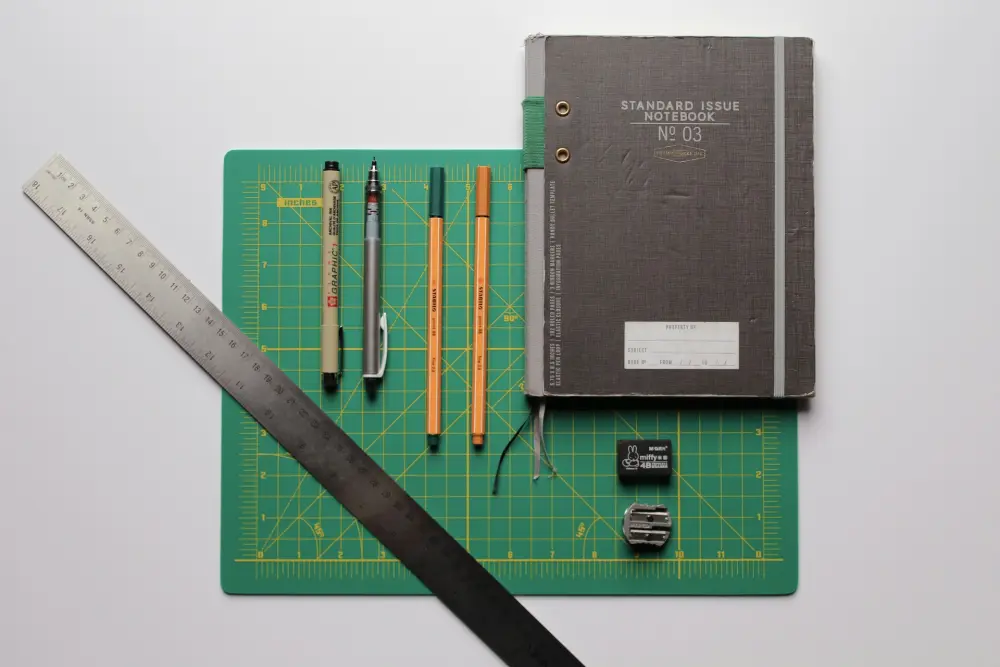
Photo by Savannah Wakefield on Unsplash
How to Apply This Handwritten Note-Taking Habit in Your Weekly Routine?
Begin each Monday morning—or five minutes before starting your daily work block—by keeping your laptop lid closed or your monitor asleep. Open a fresh page in your physical notebook, write this week's key deadlines across the top, and list three to five primary tasks that must move forward today.
Keep each line brief and action-oriented so it scans within seconds. At the end of the week, set aside ten minutes to review your Monday-through-Friday pages—check off completed milestones and carry unfinished work deliberately onto next week's opening page.
Ultimately, handwritten notes on the desk affirm that sustainable productivity rarely comes from complex software alone, but from mental clarity when organizing priorities on paper.

Photo by Alexandre Pascal on Unsplash
WRAP-UP!
The work habit guide Handwritten Notes on the Desk: A Simple Way to Organize Weekly Priorities reinforces the Business - Career & Education pillar, proving that writing down key tasks and important deadlines in a physical notebook before opening a computer screen helps sort urgent work from routine busywork, makes daily work direction measurable, and provides clear review space at the end of the week.
Explore our guides on distraction-free work habits, weekly review frameworks for career growth, and curated professional skill-building insights with Alinear Indonesia.
Ready to Elevate Your Business and Brand to the Forefront of the Digital Era?
Discover how Alinear Indonesia’s integrated Advertorial+ (Smart Publication & Smart Activation) solutions combine media PR with AI-driven intelligence and the power of storytelling to multiply your business visibility and credibility (Brand Authority). Consult your vision and growth strategy with us today. [Click Here to Begin!]