


Photo source by Alinear Indonesia Docs. (Adobe FireFly – Gemini AI)
In an era dominated by hyper-efficient fashion supply chains and algorithmically generated wardrobe trends, the modern city dweller is experiencing a profound crisis of authenticity. When any mass-produced, brand-new garment can be acquired instantly, the traditional metrics of luxury begin to lose their luster. In response, a sophisticated subculture of collectors, creative directors, and design enthusiasts is turning their attention backward—pioneering a counter-revolution centered on the Heritage Denim Archival.
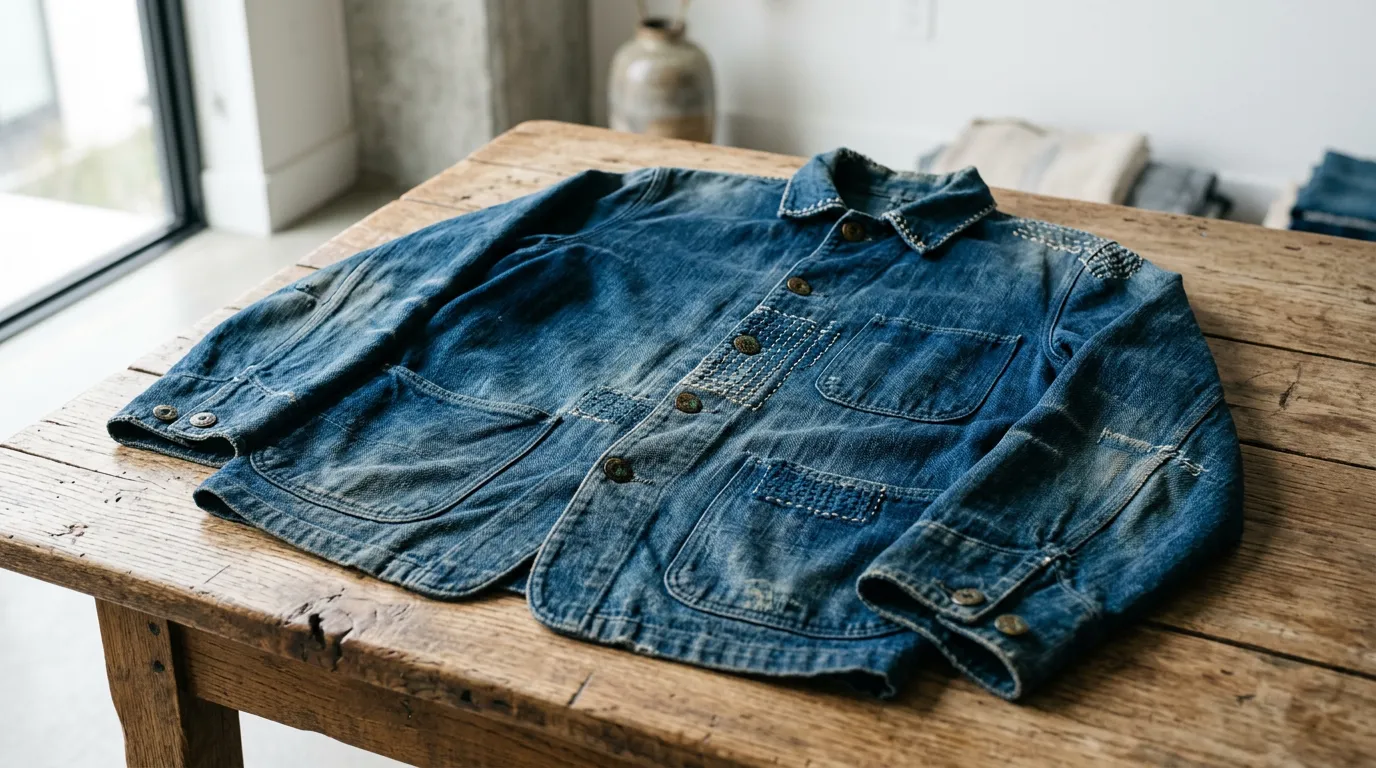
This movement is not mere nostalgia; it is an intellectual hunt for character. At the heart of this obsession sits the pre-war chore jacket—a rugged, utilitarian garment built for the hard-working laborers of the early 1900s. Today, these garments are treated with the same reverence as fine art. Sourced from abandoned barns, old mining shafts, and private archival vaults, they represent an unrepeatable marriage of history, chemistry, and human touch.
The Chemistry of Indigo: The Living Blueprint of Time
The ultimate draw of pre-war workwear lies in its chemical and physical transformation over time. Unlike contemporary synthetic dyes that coat cotton fibers in a uniform, indestructible layer of color, early 20th-century garments relied heavily on natural, plant-dyed indigo.
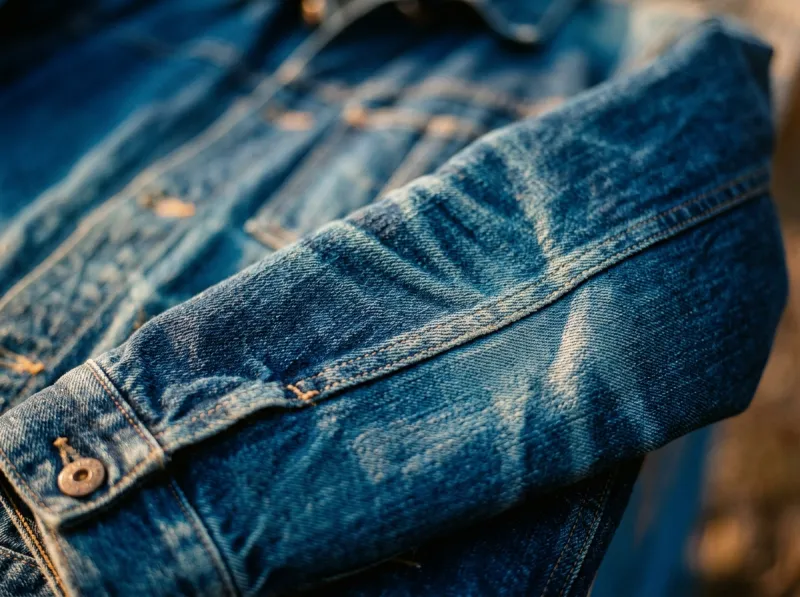
Photo source by Alinear Indonesia Docs. (Adobe FireFly – Gemini AI)
Because natural indigo dye molecules do not fully penetrate the core of cotton fibers, they gradually rub off and oxidize through years of movement, exposure to sunlight, and moisture. This creates a highly personal map of the original wearer's life—deep honeycombs behind the elbows, soft whiskering across the chest, and a spectrum of blues ranging from deep midnight to a chalky, sky-like azure. This natural fading is a slow-motion work of art that cannot be rushed, faked, or reproduced in a modern factory setting.
The Architecture of Utility: Brass, Rivets, and Triple-Stitched Solitude
The physical build of these early chore jackets speaks to an era when garments were engineered to survive a lifetime of physical strain. The design is a masterclass in functional elegance, featuring heavy cotton twill or denim sewn together with thick, contrast cotton threads using vintage union-special triple-chain-stitch machines.
Every button tells a story. Hand-hammered brass or copper buttons, oxidized over a century to a rich, dark-green verdigris, act as small, metallic sculptures. Watch pockets, utility loops, and asymmetrical chest pockets—originally designed for pocket watches, carpenter pencils, and small tools—now serve as striking, geometric design accents for the modern urbanite navigating a creative workspace.
The Philosophy of Repair: Wabi-Sabi and the Nobility of Scars
Perhaps the most intriguing aspect of the Heritage Denim Archival is how damage is celebrated rather than hidden. Within this community, a dramatic tear, a frayed cuff, or an old oil stain is not a defect; it is a badge of honor. Many archival jackets feature beautiful, hand-done repairs—such as traditional Japanese sashiko stitching, indigo fabric darning, and hand-patched repairs.
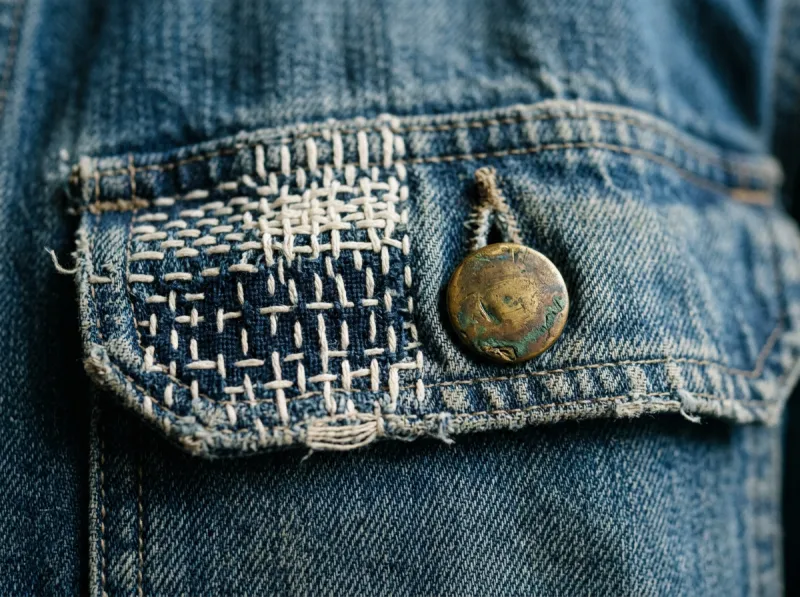
Photo source by Alinear Indonesia Docs. (Adobe FireFly – Gemini AI)
"A mass-produced designer jacket only tells the story of the day it was bought; a pre-war indigo chore jacket carries the weight, work, and soul of an entire century."
This embrace of imperfection reflects the classic Japanese philosophy of wabi-sabi—finding beauty in things that are incomplete, impermanent, and weathered by time. Wearing a jacket covered in decades of careful repairs connects the modern owner directly to the hands of the craftsmen and owners who kept the garment alive. It is a quiet, powerful statement of masculinity that values strength, survival, and care over disposable novelty.
Sourcing the Past: The Economics and Ethics of Archival Collecting
Acquiring these rare artifacts is an arduous, highly competitive pursuit that requires equal parts historical knowledge and market intuition. Genuine pre-war pieces are incredibly scarce, turning the search into an elite style hunt. From specialty vintage markets in Tokyo and high-end auction houses to private dealer networks, the market value of these rare chore jackets has climbed steadily, solidifying their status as highly collectible style investments.
Beyond their financial appreciation, collecting archival garments represents an ethical choice. In an industry grappling with the massive environmental cost of overproduction, investing in a century-old garment that has already stood the test of time is the ultimate statement of sustainable, slow-fashion luxury. It is a conscious decision to step off the trend treadmill and build a wardrobe around pieces that possess true gravity, weight, and history.
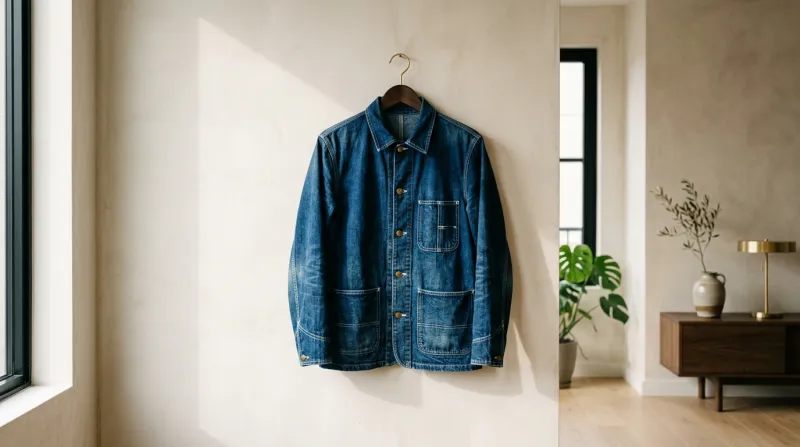
Photo source by Alinear Indonesia Docs. (Adobe FireFly – Gemini AI)
"True luxury isn't found in flawless perfection—it's written in the deep blue fades, the oxidized brass, and the hand-stitched repairs of a garment that refused to be forgotten."
WRAP-UP!
The rise of the Heritage Denim Archival signals a major shift in urban men's style toward garments that prioritize historical weight, organic aging, and physical craftsmanship. By celebrating the natural evolution of plant-dyed indigo, the beauty of hand-done repairs, and the rugged utility of early 20th-century silhouettes, modern collectors are discovering a deeper, highly personal form of luxury. These weathered garments serve as a canvas of human history, proving that the most beautiful things in our wardrobes are those that have lived a life before us.
Begin building your vintage collection by researching reputable archival dealers and specialized vintage markets; prioritize finding garments from the pre-1940s era featuring original brass buttons and natural indigo dyes, embrace visible mending techniques like sashiko to repair your own quality garments, and style your archival chore jacket over clean, modern knitwear to create a balanced, high-character look.
Looking to feature your brand and business through Alinear Indonesia’s Smart Publication & Smart Activation? Share your experience and consult with us today. Click here!



![Alinear Indonesia [Brand/Business Registration] Smart Publication & Smart Activation](https://www.alinear.id/assets_web/images/qr-codes/3e23e7dab43d2e72854ba48a3a09cf75.jpg)