

Photo by SethiZelo Phat on Unsplash
The 2026 Energy Paradigm Shift
In recent years, the narrative of sustainable mobility seemed locked into a single terminology: Battery Electric Vehicles (BEVs). However, as we move through 2026, the physical and logistical limitations of lithium battery systems have become starkly apparent, particularly within industrial scales. This is where Hydrogen Fuel Cells have made a spectacular comeback.
This technology is not merely a niche alternative; it is a crucial pillar filling the gaps that batteries simply cannot bridge. If batteries are the ideal solution for personal urban mobility, hydrogen is the hero for heavy-duty transport, transcontinental travel, and a logistics industry that cannot afford downtime.

Photo by Georg Eiermann on Unsplash
How Does Hydrogen Work?
Technically, a hydrogen fuel cell is an electrochemical device that combines hydrogen (as fuel) and oxygen (from the air) to produce electricity. Unlike internal combustion engines that burn fuel to generate mechanical energy through small explosions, fuel cells generate electricity through a clean chemical process.
The only byproduct or residue of this process is pure water vapor ($H_2O$) and a small amount of heat. There are no nitrogen oxides, no carbon particulates, and no deafening engine noise. Hydrogen-powered vehicles (FCEVs) are essentially electric vehicles, but instead of storing energy in massive, heavy battery cells, they carry it in the form of high-pressure hydrogen gas tanks, which is converted into electricity in real-time.

Photo by Erik Mclean on Unsplash
Speed and Weight
One of the greatest challenges for lithium batteries is their energy density. To move a 40-ton truck over 800 kilometers, a massive battery pack is required—so heavy that it actually reduces the vehicle's payload capacity. Hydrogen solves this anomaly. The high energy density of hydrogen allows vehicles to maintain a long range with minimal added weight.
The second "game-changer" in 2026 is refueling time. In the logistics sector, time is money. Charging a truck’s battery to full takes hours, even with ultra-fast charging stations. Conversely, refilling a hydrogen tank takes only 3 to 5 minutes—just as fast as filling up with gasoline or diesel. This time efficiency is why automotive giants are now pivoting toward hydrogen as the new standard for their commercial fleets.

Photo by Nandha Kumar on Unsplash
"In the future, the only footprint we leave on the highway is a clean mist of water vapor, proving that great power does not have to destroy the earth."
Infrastructure Challenges and the Green Hydrogen Solution
Of course, the journey toward the hydrogen era is not without its hurdles. The primary challenges being addressed in 2026 are the availability of Hydrogen Refuelling Stations (HRS) and the method of hydrogen production itself. For the past decade, most hydrogen was produced via Steam Methane Reforming, which still produced emissions.
However, the latest innovations in Electrolyzer technology, powered by renewable energy (solar and wind), have birthed the era of Green Hydrogen. This is hydrogen produced entirely without carbon emissions from cradle to grave. With the support of government policies worldwide subsidizing hydrogen infrastructure, refueling networks are now beginning to proliferate along the world’s major logistics corridors.
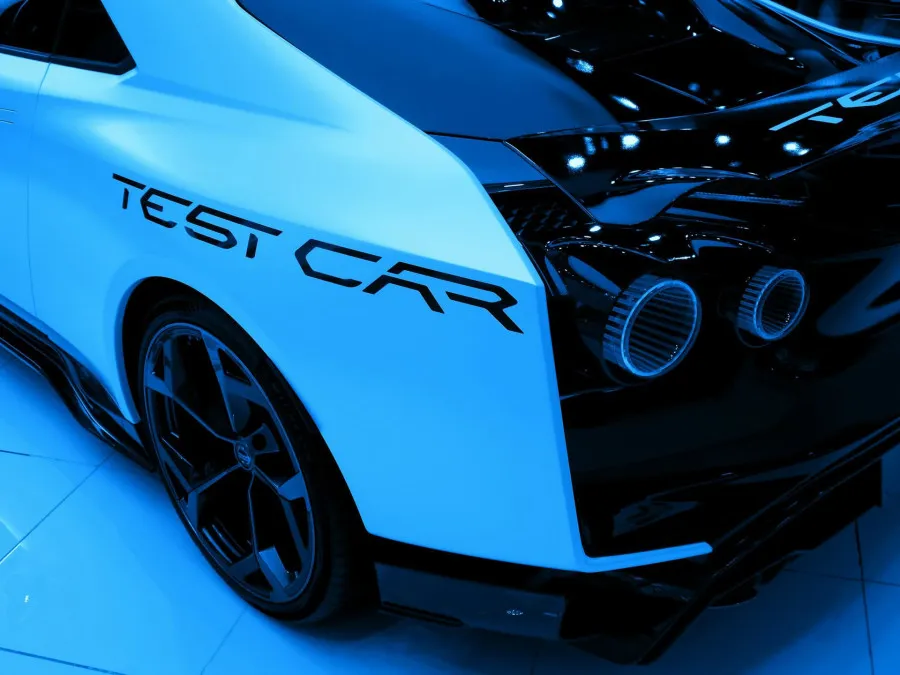
Photo by Possessed Photography on Unsplash
Ecosystem Balance: Partners, Not Rivals
Alinear views the future of mobility not as a monolith. We will not live in a world that is 100% battery or 100% hydrogen. Instead, we will see a balanced ecosystem. Batteries will dominate small passenger cars and daily commutes, while hydrogen fuel cells will become the backbone of buses, heavy trucks, non-electrified trains, and even massive cargo ships.
This energy diversification is vital for global energy security. Relying solely on lithium and cobalt creates new supply chain bottlenecks. Hydrogen, as the most abundant element in the universe, offers energy independence for many nations that lack battery mineral reserves.

Photo by TSD Studio on Unsplash
Embracing a New Dawn of Mobility
The transition to hydrogen reflects a philosophical shift in how we view machinery. We are no longer just looking for speed or status; we are seeking harmony between human mobility and the planet's survival. In 2026, fuel cell technology has proven that we can move fast, explore far, and move mountains without leaving a scar on the atmosphere.
The elegance of this technology lies in its simplicity: taking the most basic element in nature, converting it into energy, and returning it to nature as water.
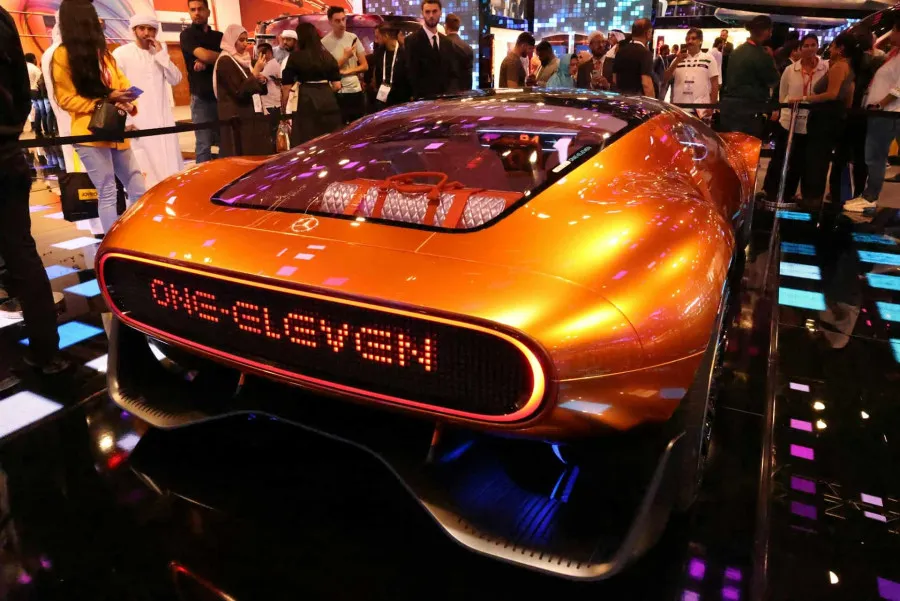
Photo by Mehrzad G.San on Unsplash
"Hydrogen is not just an alternative; it is the final puzzle piece to perfect the vision of a pollution-free world, where human progress moves in sync with the rhythm of the earth."
WRAP-UP!
Hydrogen Fuel Cells are the key to decarbonizing heavy-duty transport sectors that were previously unreachable by battery technology. This is an era where efficiency meets pure ecology. For investors and automotive enthusiasts, start paying attention to companies focused on "Green Hydrogen." The future of automotive isn't just about who makes the fastest car, but who masters the cleanest energy ecosystem.
Looking to feature your brand and business through Alinear Indonesia’s Smart Publication & Smart Activation? Share your experience and consult with us today. Click here!

![Smart Publication+ 3.0: Build Authority. Drive Growth. [Technical Specification]](https://www.alinear.id/assets_web/images/qr-codes/bd48cb0acb2d9586570edb8a7303cee1.jpg)