
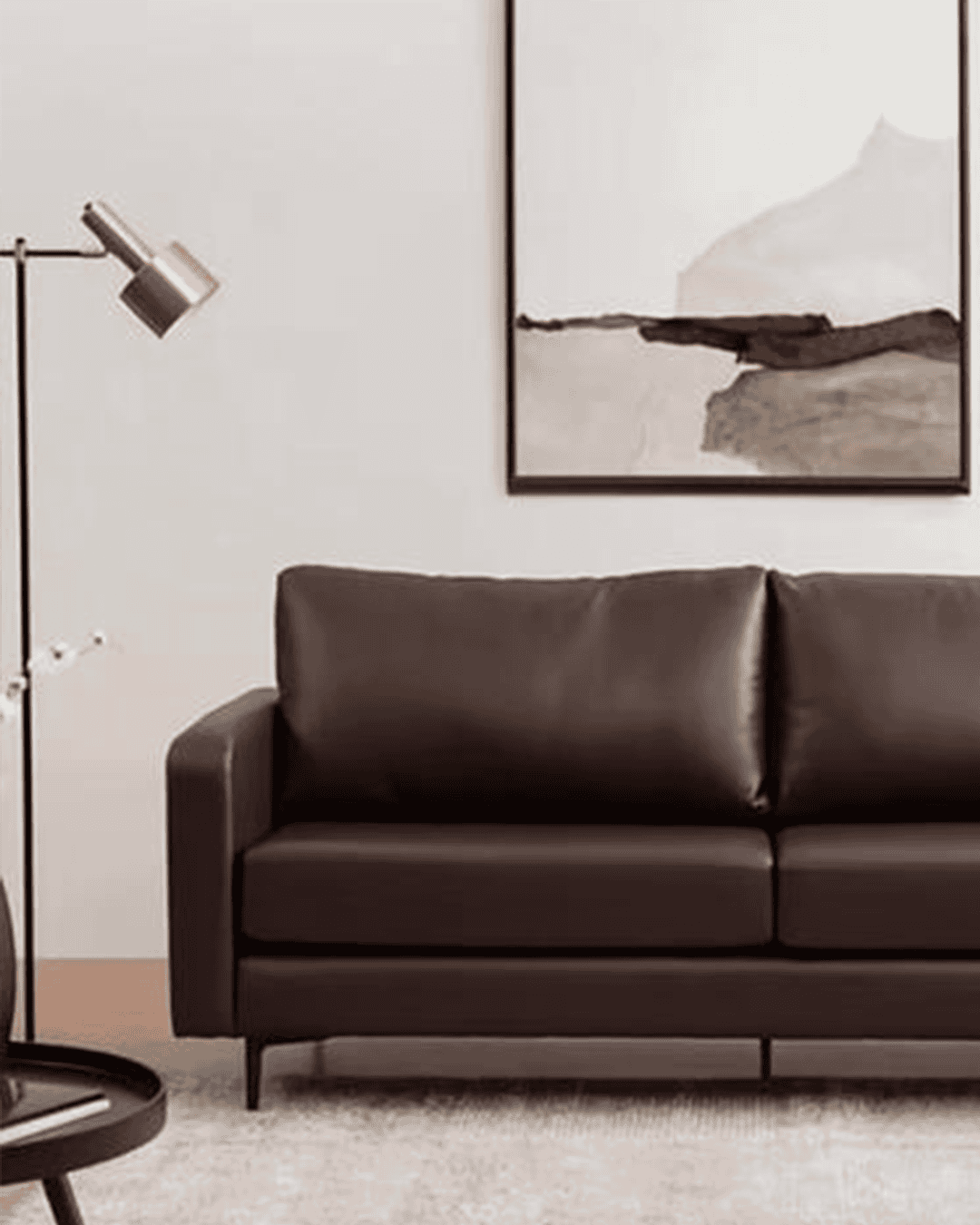
Photo by Puscas Adryan on Unsplash
The Japandi style—a fusion of Japanese Wabi-sabi aesthetics and Scandinavian Hygge functionality—has long been the gold standard for serene, balanced living. However, in an era of increasing digital dependency, a new challenge has emerged: how do we integrate high-tech sophistication without compromising visual simplicity?
The answer lies in Japandi Smart-Enabled. This is not merely about adding smart devices to a home; it is about interior engineering where technology acts as an "invisible servant." The primary focus is the elimination of visual noise—cables, screens, and plastic hardware—replacing them with interfaces that merge completely with organic materials.
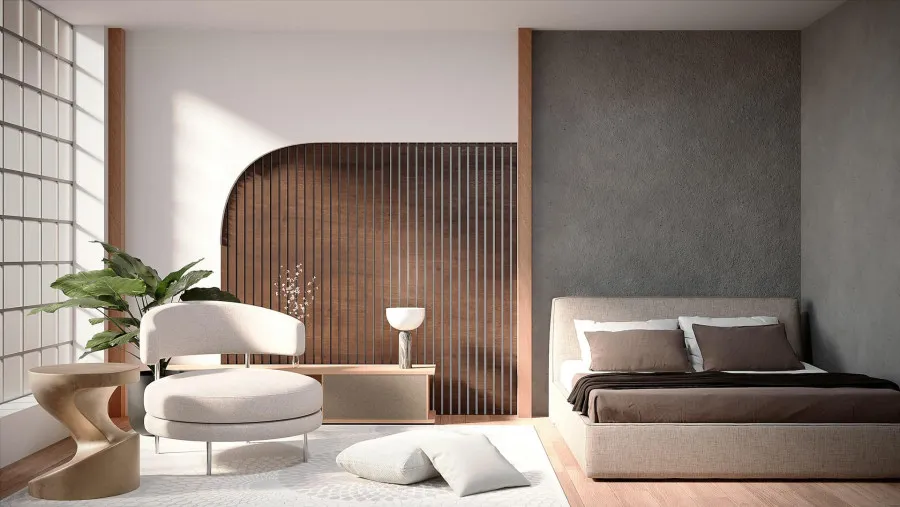
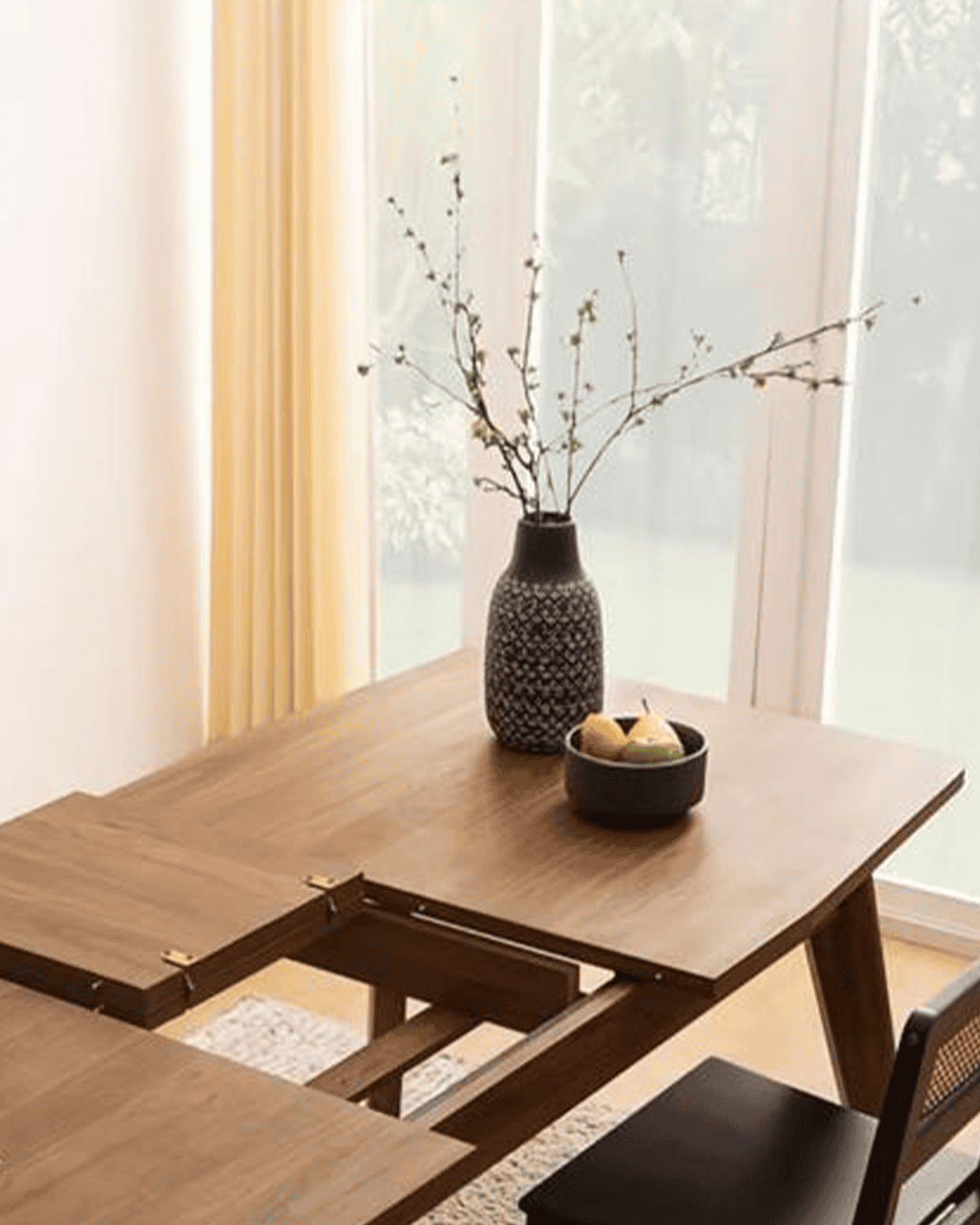
Photo by Christian Ventura on Unsplash
"Invisible Tech" and Organic Material Integration
The key to this trend is the synchronization between IoT hardware and natural textures. Technology no longer stands apart; it becomes part of the very fabric of the building:
1. Hidden Circadian Lighting Systems
Instead of conspicuous smart bulbs, lighting is now concealed behind wooden baffles or washi paper panels. These systems use sensors to detect the time of day and resident activity, automatically adjusting color temperatures from a focus-driven cool white in the morning to a melatonin-triggering warm amber at night.
2. Climate Control and Air Purification
High-level air filtration systems are now integrated into the structure of furniture, such as oak cabinets or rattan shelving. Airflow is managed through artistic design gaps, ensuring premium air quality without the presence of bulky machinery that disrupts a minimalist living aesthetic.
3. Haptic Interfaces on Natural Surfaces
Imagine controlling room temperature or music intensity simply by touching a natural stone tabletop or a wooden wall panel. Haptic sensors beneath the surface allow residents to interact with their home without constantly searching for a remote or staring at a smartphone screen.
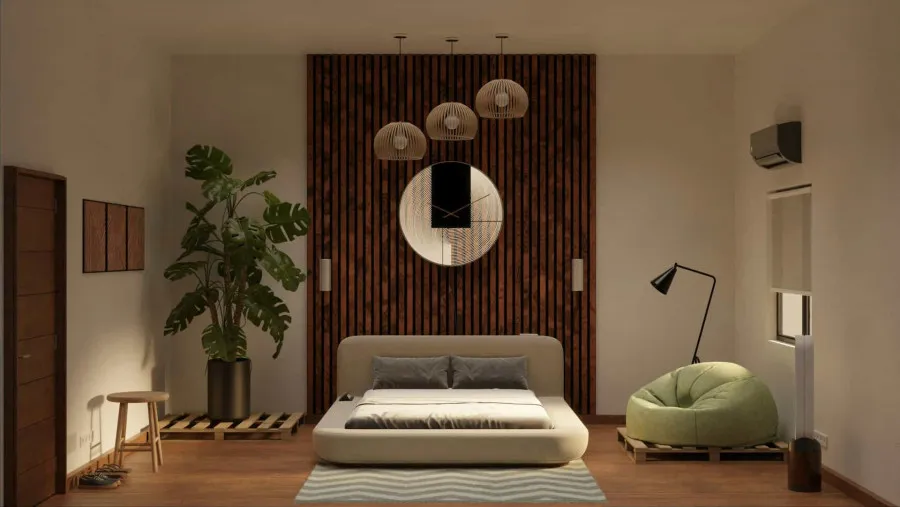
The demand for these intelligent living spaces is a natural extension of the Sleep Tourism lifestyle. Luxury rest begins with an optimal and responsive home environment. Modern Japandi homes use IoT to monitor sleep cycles, automatically regulate humidity, and block high-frequency external noise through active noise-canceling systems hidden within the walls.
When a home can "think" for the biological needs of its residents, the mental stress of manual household management is minimized, creating a true sanctuary for recovery.
"The luxury of the future is when technology works magically without disrupting the visual tranquility of your space."
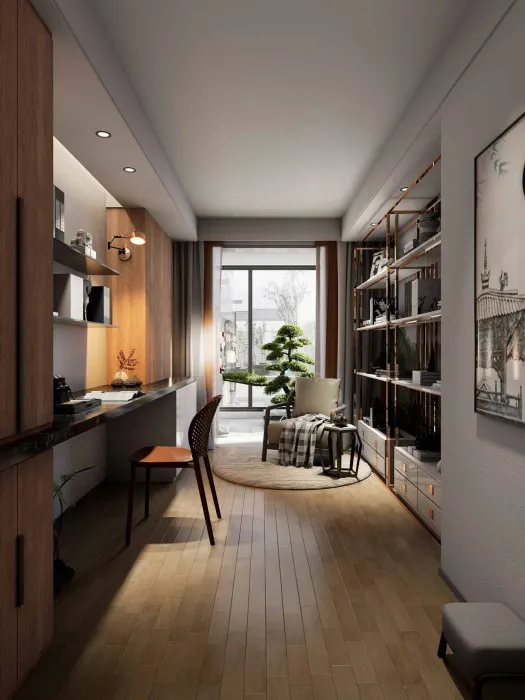
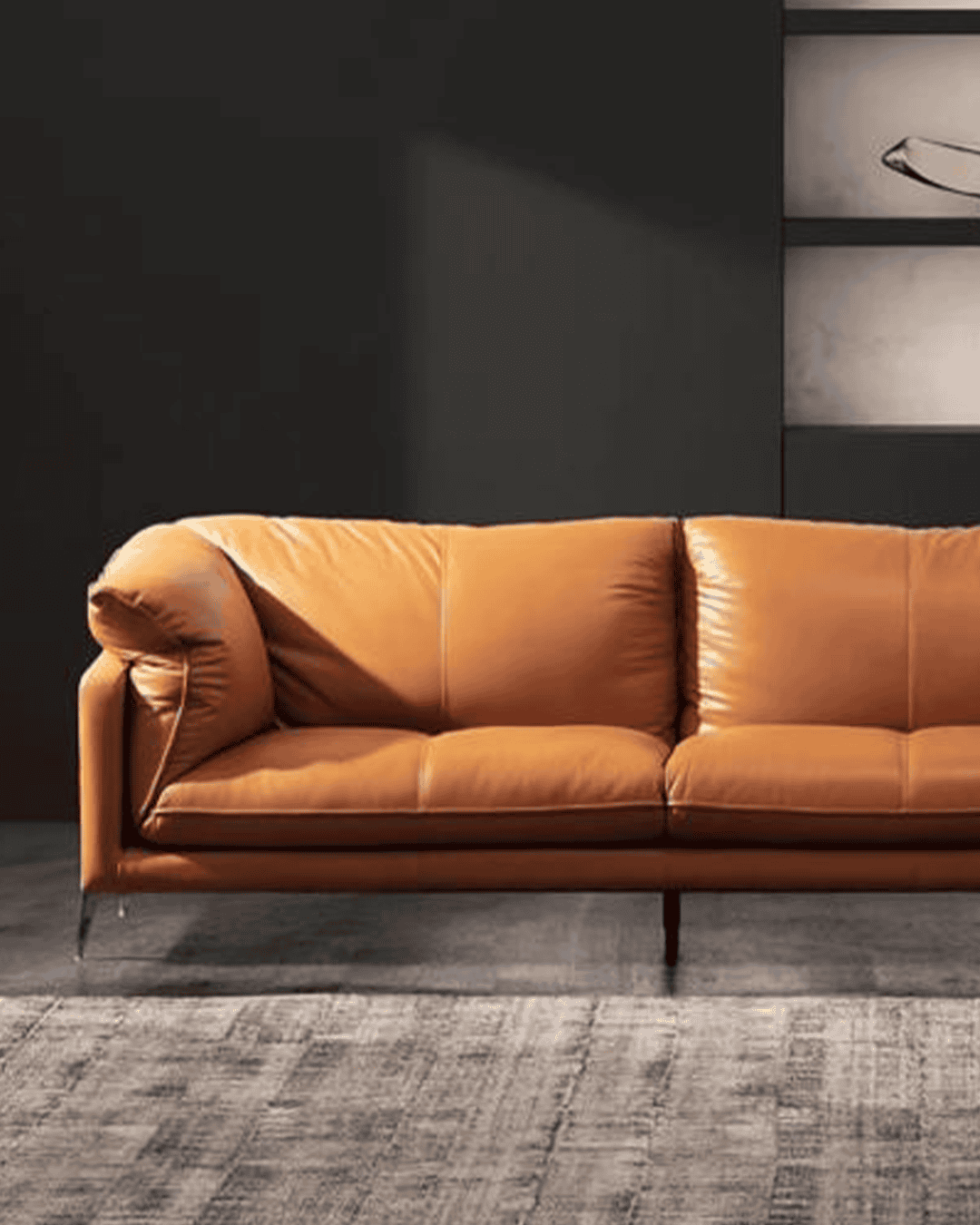
Photo by POOJAN THANEKAR on Unsplash
Beyond comfort, the integration of IoT in Japandi design focuses on sustainability. Smart sensors manage energy consumption with precision—turning off heating in empty rooms or adjusting automated bamboo blinds based on sunlight intensity. The materials used remain focused on recycled components and certified timber, proving that modernity can walk hand-in-hand with environmental ethics.
"A smart home doesn't need to shout through flashy gadgets; it provides comfort within a curated silence."
Japandi Smart-Enabled aesthetics are a manifestation of the harmony between humans, nature, and technology. By hiding complexity behind the beauty of simple materials, we are creating a new standard for luxury living: a space that is not only visually calm but also profoundly responsive to the wellbeing of its inhabitants.
Looking to feature your brand and business through Alinear Indonesia’s Smart Publication & Smart Activation? Share your experience and consult with us today. Click here!




![Alinear Indonesia [Brand/Business Registration] Smart Publication & Smart Activation](https://www.alinear.id/assets_web/images/qr-codes/3e23e7dab43d2e72854ba48a3a09cf75.jpg)