


Photo source by SR Digital - Alinear Indonesia (Firefly AI by Adobe)
The global restaurant industry is currently experiencing a radical movement spearheaded by visionary chefs through the concept of the No-Waste Kitchen. Deeply adopting circular economy principles, back-of-house production spaces in high-end establishments are now systematically designed to minimize food waste to near zero percent. This step is far more than a mere reaction to global food waste issues; it represents a profound cultural transformation altering how culinary industry stakeholders perceive the full potential of every single raw ingredient they possess.
The Anatomy of Ingredient Processing and the Integrated Culinary Cycle
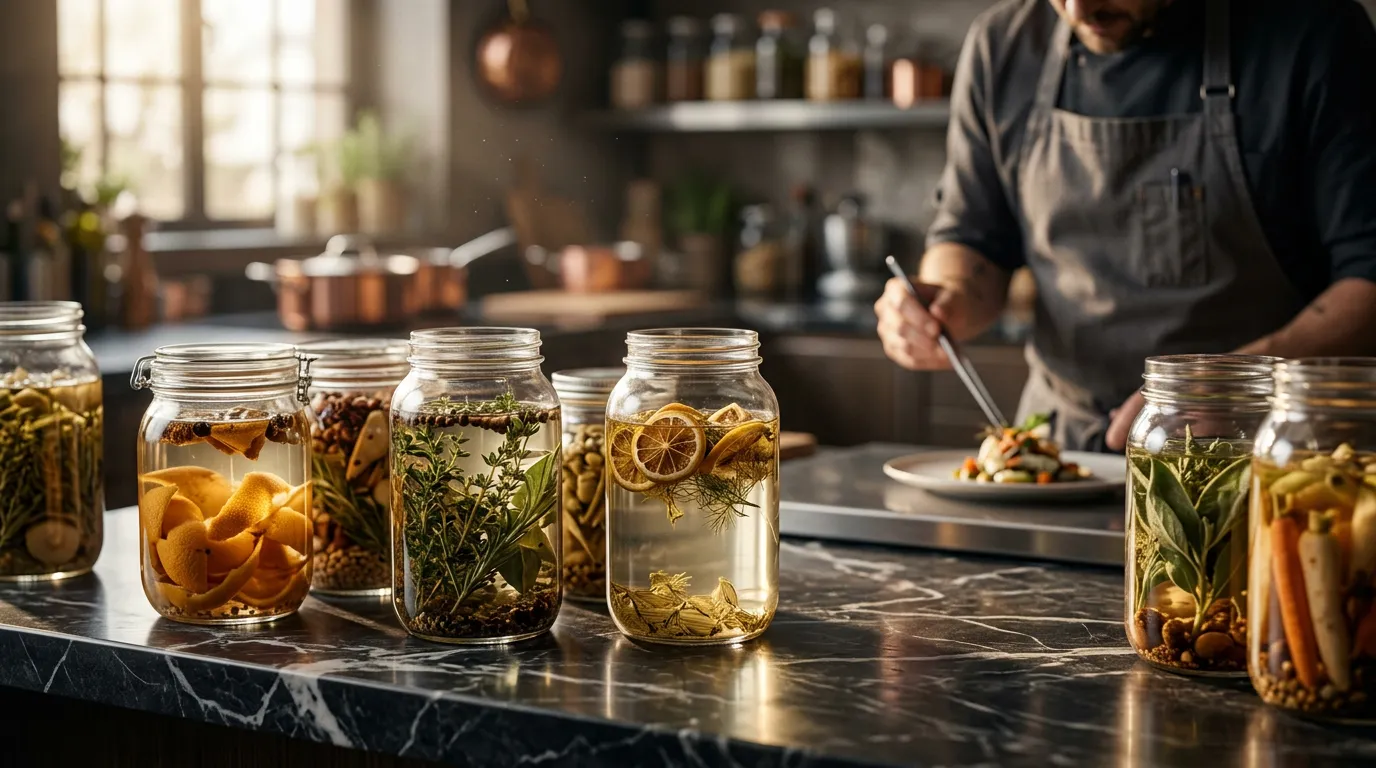
Within this zero-waste kitchen ecosystem, every organic element is treated with the highest level of appreciation through meticulous processing techniques. Organic vegetable peels are no longer casually discarded; instead, they are extracted and reduced into concentrated broths that impart deep umami flavors to main course components. Trimmings from premium meat cuts are repurposed as key fillings for artisanal pasta and charcuterie, while fruit pulp left over from fresh juicing is pressed and re-fermented into premium house syrups for craft cocktail curations at the bar.
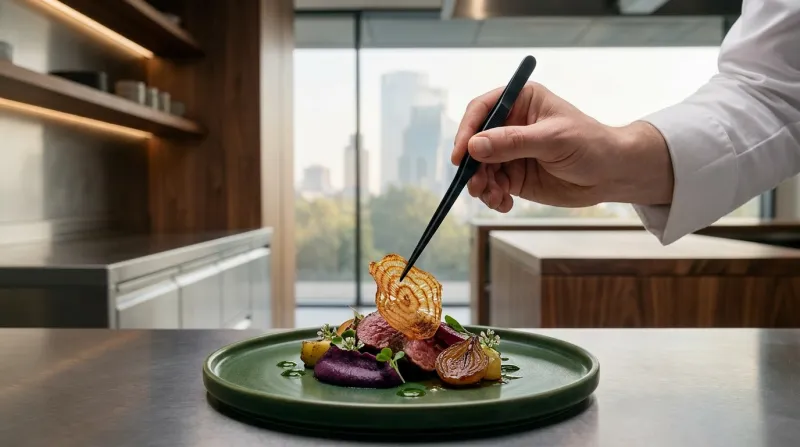
Photo source by SR Digital - Alinear Indonesia (Firefly AI by Adobe)
"In the hands of a true kitchen artist, ingredients often written off as scraps are transformed into the unforgettable pinnacle of culinary excellence."
Modern Fermentation Spaces
This philosophy of comprehensive ingredient utilization and respect shares a tight structural bond and aligns seamlessly with the Fermentation Bar trend. Within these specialized spaces, ancient fermentation techniques fused with modern science serve as the ultimate tool for processing organic remnants. Microbial metabolic processes do not simply act as a means of natural preservation; they function as catalysts that break down the molecular structure of ingredients, yielding complex, sharp, and entirely new flavor profiles unattainable through conventional cooking methods.
Philosophical Synergy with Modern Fermentation Spaces
Operating under a no-waste kitchen framework serves as the ultimate litmus test challenging a chef's creativity and technical capabilities. Crafting a luxury menu from mainstream, conventional cuts is standard practice, but creating a culinary masterpiece from parts of an ingredient that are routinely ignored requires a far more mature level of expertise. This innovative approach successfully redefines the meaning of luxury in the world of modern gastronomy, where the value of a dish is no longer measured by the scarcity of its raw components, but by the intellectual depth and ecological mindfulness behind its execution.
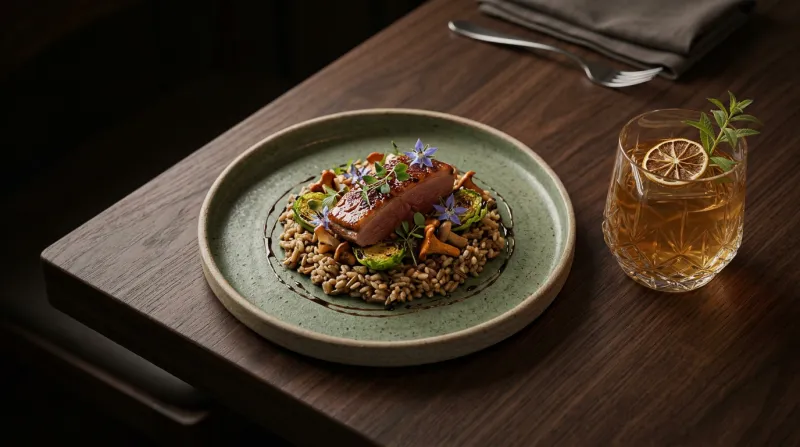
Photo source by SR Digital - Alinear Indonesia (Firefly AI by Adobe)
"Flavors that sustain are not built upon the instant luxury of pristine ingredients, but from the intelligence of honoring every fiber and scrap provided by nature."
WRAP-UP!
The No-Waste Kitchen movement successfully demonstrates that high-end culinary establishments can adopt circular economy principles without sacrificing flavor quality or plate aesthetics. This synergy between advanced culinary techniques and ecological commitment establishes a new benchmark for the future of responsible F&B operations. Are you ready to explore the complex flavor profiles of a zero-waste curated menu, or looking to delve deeper into other sustainable dining shifts?
Looking to feature your brand and business through Alinear Indonesia’s Smart Publication & Smart Activation? Share your experience and consult with us today. Click here!



![Alinear Indonesia [Brand/Business Registration] Smart Publication & Smart Activation](https://www.alinear.id/assets_web/images/qr-codes/3e23e7dab43d2e72854ba48a3a09cf75.jpg)