

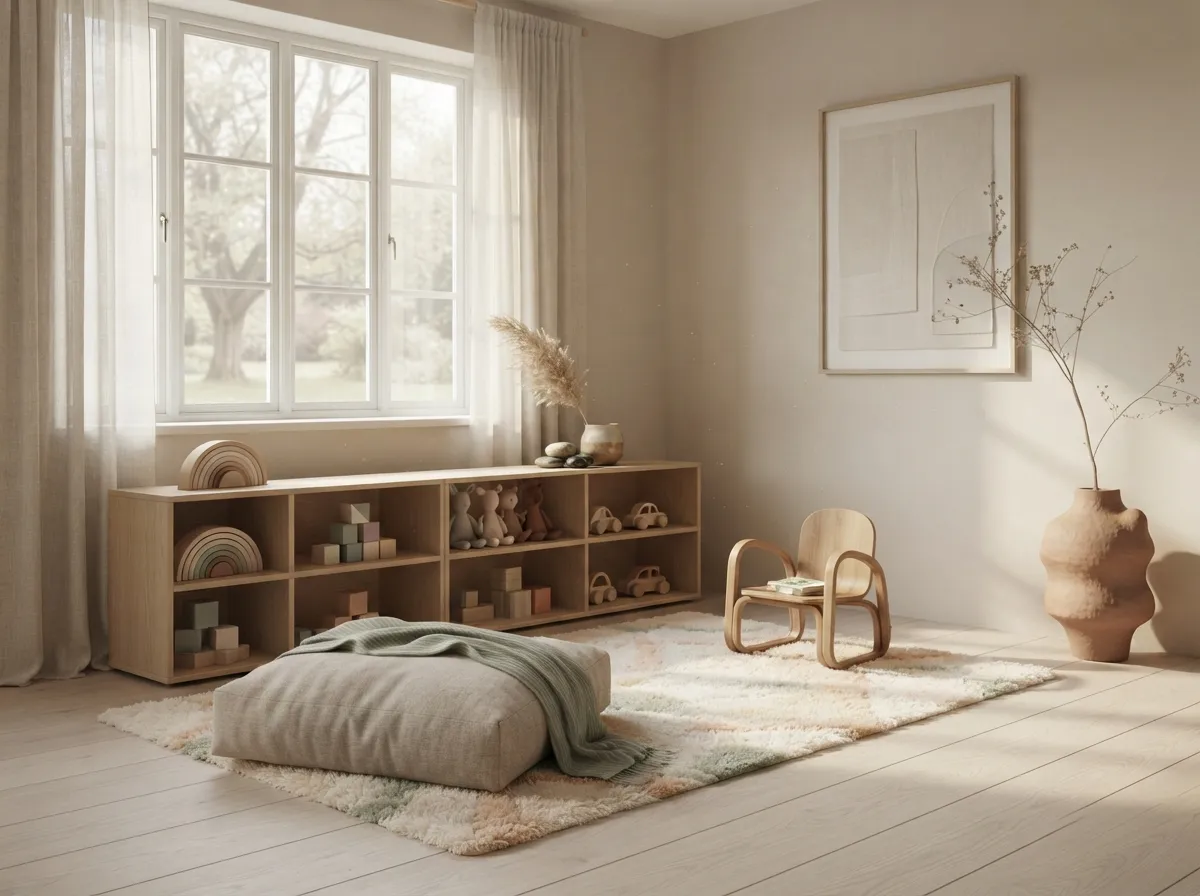

Photo source by Alinear Indonesia Docs (Gemini AI - Generated Image)
Amidst a fast-paced digital era, children are frequently exposed to screens from a very early age. This phenomenon inadvertently limits their tactile stimulation, fine motor skills, and spatial awareness.
As modern parents, creating a space for children to touch, assemble, and feel natural textures at home has become an essential need. The presence of a Sensory Play Corner is not merely a play area, but a long-term investment in a child's mental health, focus, and motor coordination.
Finding Safe Zones at Home
Placing a sensory play corner requires careful consideration to ensure children feel comfortable and parents can easily supervise:
–– Ideal Corner: Position this area in a corner of the family room, a dedicated playroom, or near natural light openings (large windows) safely away from sharp furniture edges or electrical outlets.
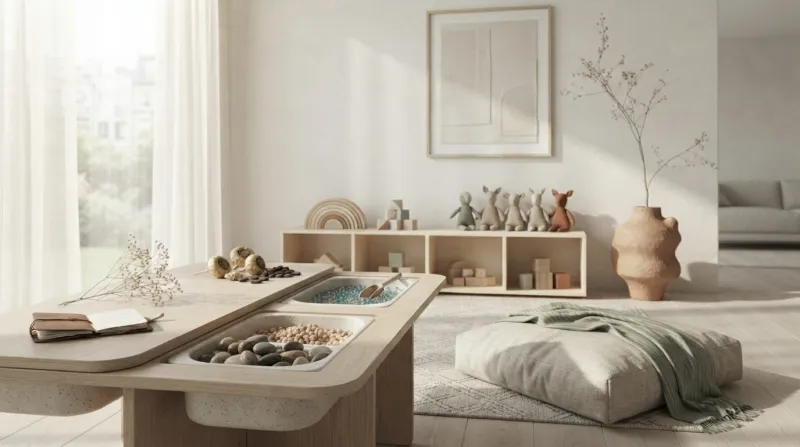
Photo source by Alinear Indonesia Docs (Gemini AI - Generated Image)
"The touch of sand, grains, and natural wood is a child's first language to understand the real world outside device screens."
–– Lighting and Circulation: Ensure the space receives gentle morning sunlight to support eye health and create a warm, calming atmosphere (mindful space).
Returning to Nature
The core key of sensory play is a variety of textures that stimulate motor nerves through direct touch.
Provide low wooden trays or bins filled with child-friendly, easy-to-clean tactile materials such as organic kinetic sand, whole grains (green beans or rice), or fine pumice stone.
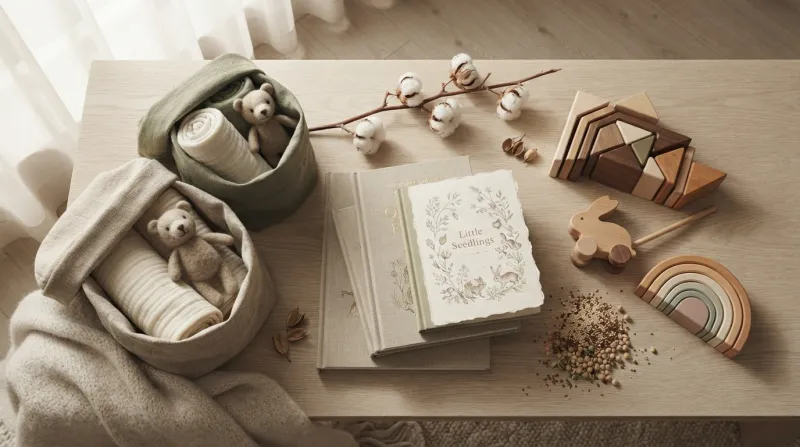
Photo source by Alinear Indonesia Docs (Gemini AI - Generated Image)
Avoid plastic toys made from harsh chemicals; prioritize natural wood elements, organic cotton fabrics, and ceramics to introduce earth textures early on.
"An aesthetic children's play area not only pleases parents' eyes but also instills a sense of responsibility in little ones."
Child-Friendly Aesthetics
A children's play area does not have to compromise your home interior aesthetics.
•• Ergonomic Furniture: Use wooden tables and chairs with blunt edges finished with non-toxic, eco-friendly paint.
•• Child-Sized Open Shelves: Install low, child-scaled shelving so they can learn to take out toys independently and tidy them back up after playing, fostering independence from an early age.
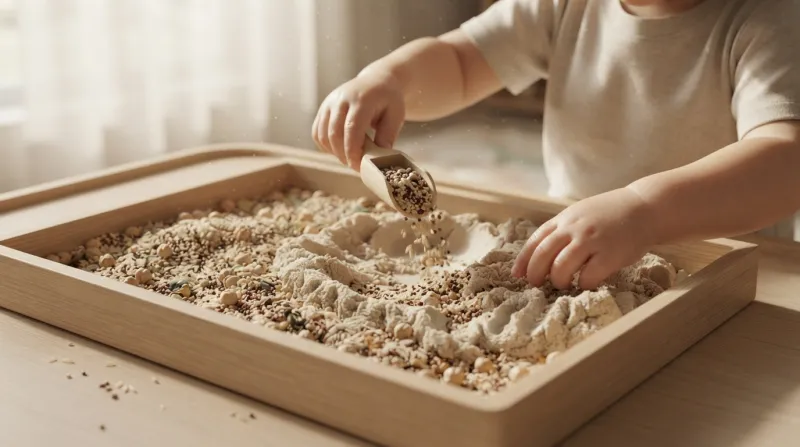
Photo source by Alinear Indonesia Docs (Gemini AI - Generated Image)
Small Space for Big Development
Designing a Sensory Play Corner at home is a concrete manifestation of mindful parenting. Through the touch of natural materials and beautifully curated spaces, children can grow in an environment that stimulates creativity while preserving the family's inner peace.
"In a small corner of your home, a miracle of child development is being woven through awareness and touch."
WRAP-UP!
The guide to designing a Sensory Play Corner helps modern parents create a natural sensory exploration area at home that supports children's fine motor skills while maintaining home interior aesthetic harmony. Choose an empty corner near your home window this weekend, place a wooden tray and natural grain bins, and start building your beloved child's first sensory play space.
––
Discover how SR Digital - Alinear Indonesia’s Smart Publication & Smart Activation combines AI-driven intelligence with high-impact human storytelling to amplify your business visibility. Share your vision and consult with us today.
Ready to elevate your brand in the era of AI? Click here!



![Alinear Indonesia [Brand/Business Registration] Smart Publication & Smart Activation](https://www.alinear.id/assets_web/images/qr-codes/3e23e7dab43d2e72854ba48a3a09cf75.jpg)