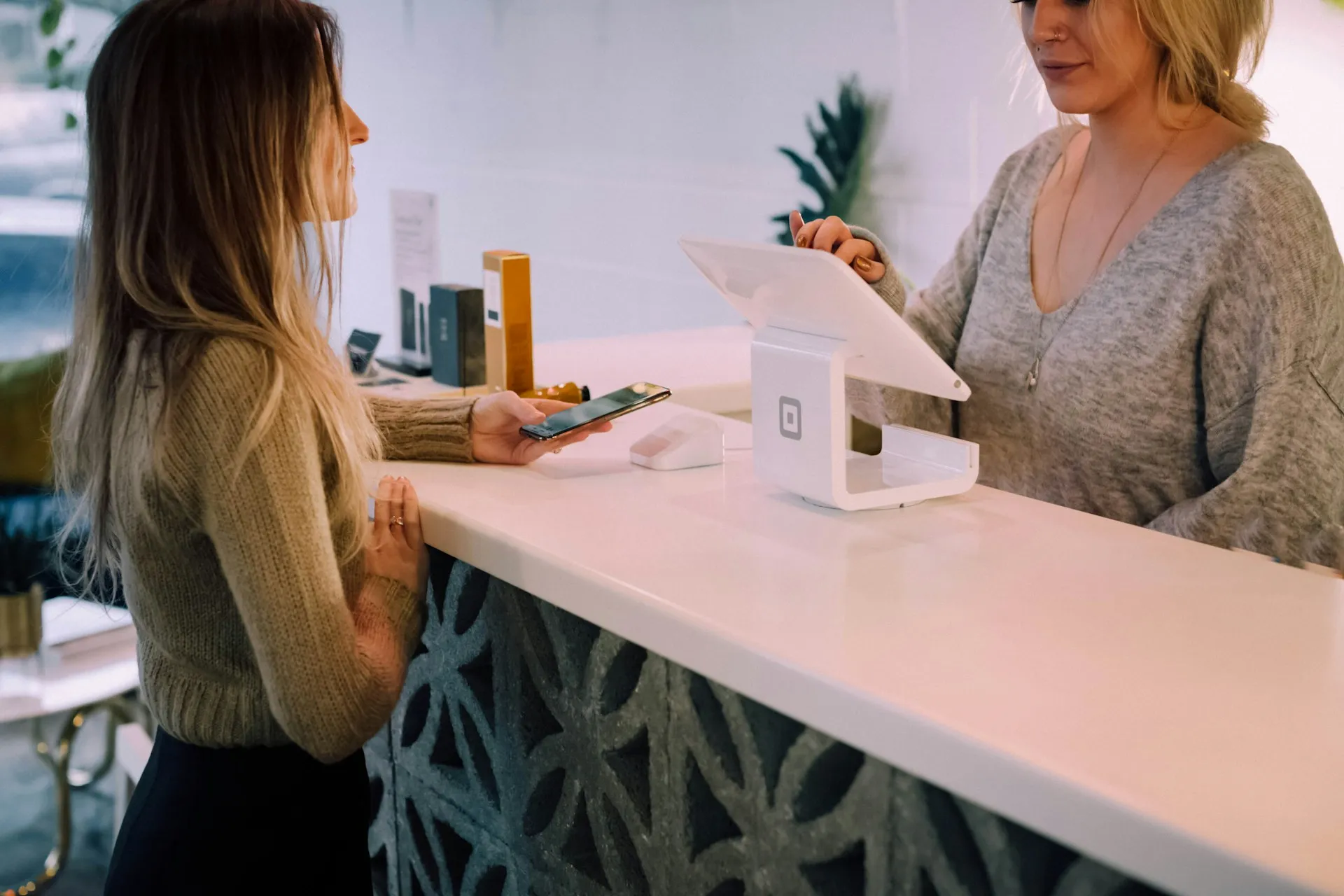
Photo by Good Faces on Unsplash
A Crisis of Trust Amidst Mega-Reach
For years, brands raced to recruit A-list celebrities or mega-influencers with millions of followers. The logic was simple: massive reach guaranteed maximum brand exposure. However, this strategy is seeing a sharp decline in effectiveness. Today’s consumers are far more skeptical of high-priced endorsements, especially when stars promote dozens of different products simultaneously.
Currently, the marketing landscape in Indonesia is shifting dramatically toward the Local Creator Economy, specifically targeting Micro-Influencers—content creators with following counts between 1,000 and 100,000. Their reach may be smaller, but they offer the two most valuable assets in the digital world: Trust and High Engagement.
Why are micro-influencers becoming the smarter, more strategic investment for brands in 2026?

Photo by S O C I A L . C U T on Unsplash
The Anatomy of the Micro-Influencer Advantage – The value of a micro-influencer lies not in the quantity of their followers, but in the quality of their community interactions.
1. The High-Trust "Friend Effect"
Micro-influencers typically focus on highly specific niches (e.g., skincare for sensitive skin, local coffee reviews, or city-specific parenting tips). Their communities view them as trusted sources or "friends" with similar tastes and struggles. A recommendation from a "friend" carries much more weight than one from a celebrity whose face is everywhere.
2. Superior Engagement Rates
Mega-influencers often have low engagement rates (frequently below 2%) due to their heterogeneous audience. Conversely, micro-influencers often achieve engagement rates of 5% to 10%. They take the time to reply to comments, answer questions, and interact personally, making their community feel heard and acknowledged.
3. Cost-Effective and Scalable
Collaborating with a single mega-influencer can exhaust an entire marketing budget. A micro-influencer strategy allows a brand to collaborate with 50–100 different creators for the same cost. This not only reaches various market niches specifically but also minimizes the risk should one creator face controversy.

Photo by Brooke Lark on Unsplash
Brand Building Strategies with Micro-Influencers – Successful brands have evolved how they view partnerships.
•• Focus on Niche Fit: Rather than choosing the influencer with the most followers, brands select creators with a 100% niche match. For example, a household cleaning brand will work with micro-influencers focused on home organization and cleaning hacks, rather than a general fashion influencer.
•• Long-Term Relationships: Successful partnerships are not one-off posts. Brands build long-term relationships where micro-influencers become part of the brand story (e.g., using a product gradually over three months) to demonstrate authenticity and real results.
•• Prioritizing User-Generated Content (UGC): Savvy brands encourage micro-influencers to create content that feels natural and like UGC, rather than professionally filmed commercials. Content that looks "imperfect" often feels more honest and drives higher conversion rates.

How to Become a Valuable Micro-Influencer – If you are a creator, here is how to maximize your market value.
•• Specialization is Key: Don’t be afraid to be too specific. Are you a reviewer of Indonesian sci-fi fiction? A home cook focused solely on plant-based recipes? Specialization attracts brands looking for a precise audience.
•• Prioritize Community: Reply to comments and DMs. Make your followers feel they are part of a conversation. Your engagement rate is your most important metric, not your follower count.
•• Be Authentic: Only promote products you truly like and use. Losing community trust for a paycheck is a long-term loss that can never be repaired.

Photo by Laura Chouette on Unsplash
WRAP-UP! – Quality Over Quantity
The evolution from mega-influencers to micro-influencers marks the maturity of Indonesia's digital market. It is a victory for quality, honesty, and real connection over deceptive numbers.
For brands, this is an opportunity to reinvest in the roots of consumer trust. For creators, it is proof that you don’t need to be a superstar to be a pivotal player on the marketing stage.
"In the digital age, people no longer buy products recommended by celebrities. They buy products verified by their 'friends'—and micro-influencers are the most accessible and trusted friends in the digital space."
Which micro-influencer niche do you follow and trust the most?
![Alinear Indonesia [Brand/Business Registration] Smart Publication & Smart Activation](https://www.alinear.id/assets_web/images/qr-codes/3e23e7dab43d2e72854ba48a3a09cf75.jpg)