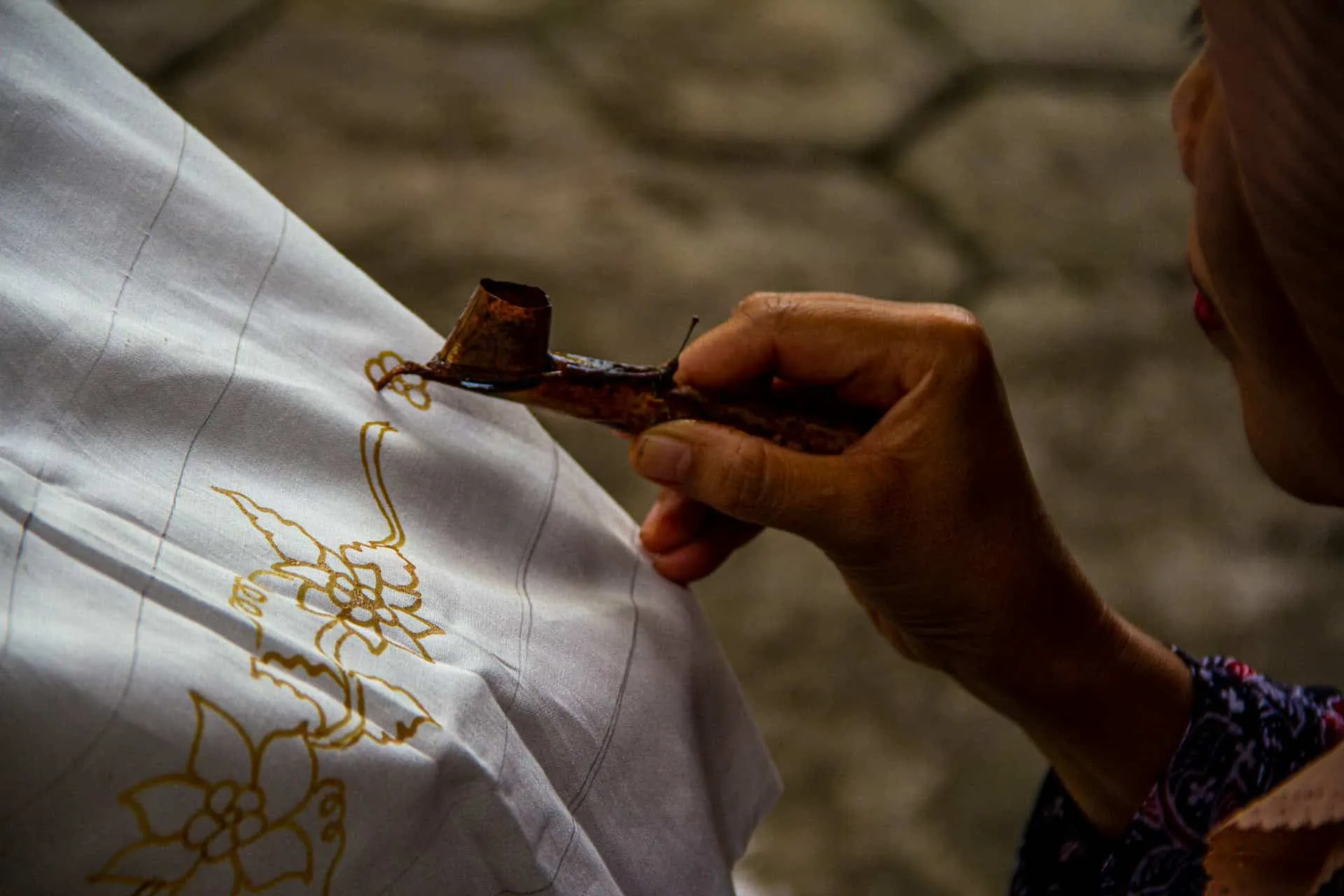

Photo by Mahmur Marganti on Unsplash
The Sustainability Crisis of Fast Fashion
The global fashion industry remains one of the world's largest polluters, primarily due to textile waste and the chemical-heavy processes of synthetic dyeing. In response to this crisis, consumers and designers alike are increasingly demanding sustainable materials and ethical production practices.
For Indonesia, this demand represents a golden opportunity. Our cultural and natural wealth has produced sustainable solutions practiced for generations: from the deliberate pace of hand-weaving (Slow Fashion) to the use of indigenous plant fibers and eco-friendly natural dyes.
In 2026, the focus has shifted from merely adapting to Western trends to elevating and modernizing traditional textiles—such as Batik, Tenun, and Songket—into high-value, relevant materials for the global stage. It is the perfect marriage of ethics, aesthetics, and economics.
Natural Dyes: An Ethical Solution to Water Pollution – One of fashion’s most pressing issues is water pollution from dyeing processes. Natural dyes provide the answer.
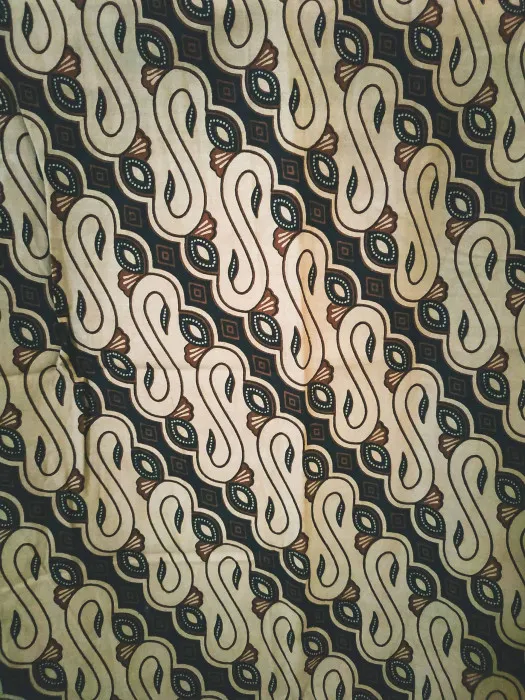
Photo by Adrian Hartanto on Unsplash
1. The Superiority of Bio-Based Pigments
Natural dyes sourced from plants like Indigofera (for blue), turmeric (for yellow), and tree bark (for brown) are far safer for the environment and the health of the artisans. The process requires significantly less water and leaves behind no toxic chemical residue.
2. Philosophy and Craftsmanship
Natural dyes create softer, richer color palettes compared to synthetic ones. These colors also age gracefully. Brands utilizing natural dyes aren't just selling a product; they are selling a narrative of a long, patient process deeply tied to local wisdom.
Promoting Craftsmanship and Slow Fashion – Supporting local materials means championing the Slow Fashion system.
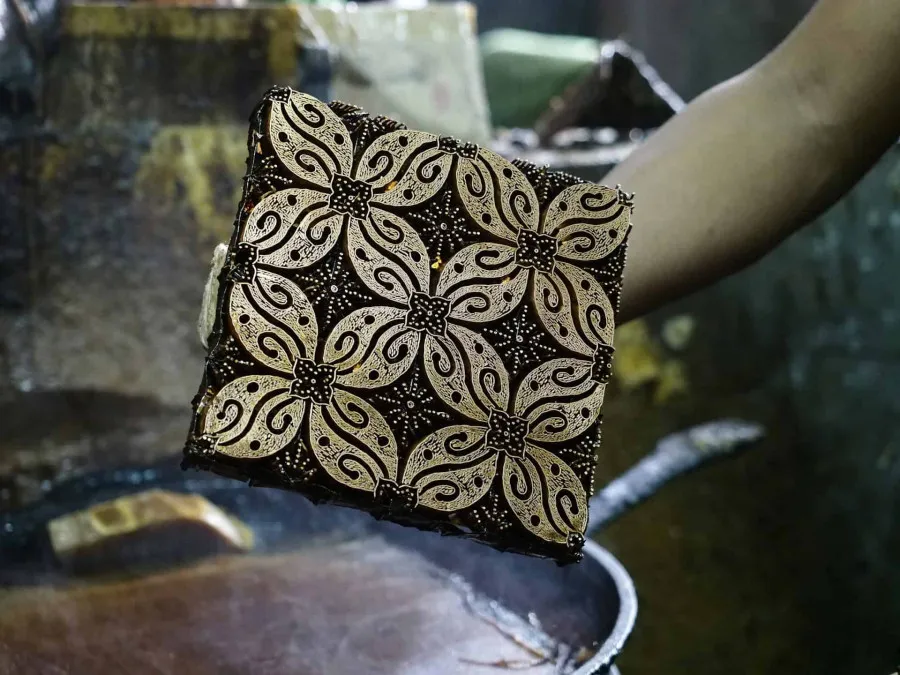
Photo by Agto Nugroho on Unsplash
•• Nenek Moyang Serat: Fokus pada serat alami yang sudah lama digunakan, seperti serat pisang, serat nanas (piña), atau serat rami yang tumbuh subur di Indonesia. Serat-serat ini membutuhkan air yang jauh lebih sedikit dibandingkan kapas konvensional dan dapat terurai secara hayati (biodegradable).
•• Zero-Waste dan Upcycling: Desainer lokal semakin cerdas dalam mengelola limbah tekstil. Sisa potongan kain (perca) dari Batik atau Tenun kini diubah menjadi patchwork yang unik atau di upcycle menjadi aksesori dan perabotan rumah tangga, mendukung filosofi circular fashion.
Mempromosikan Craftsmanship dan Slow Fashion – Mendukung material lokal berarti mendukung sistem slow fashion.
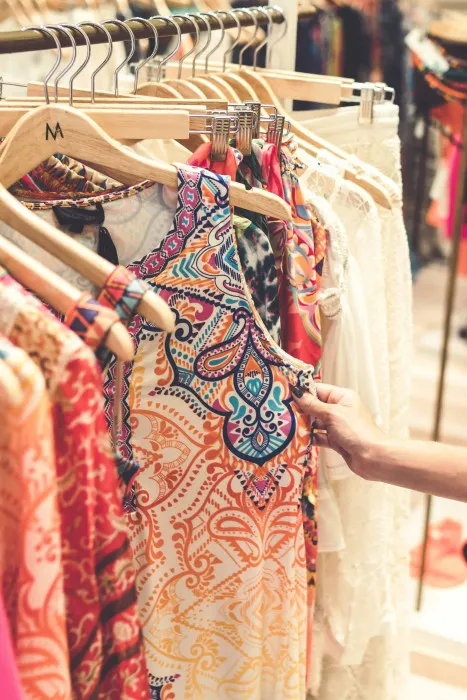
Photo by Artem Beliaikin on Unsplash
•• Valuing the Process: The acts of weaving and waxing Batik require significant time and deep expertise. Brands must educate consumers on the labor hours behind a single piece of cloth, justifying the price point and shifting the focus from "cheap" to "ethical value."
•• Community Empowerment: Traditional textiles are the economic backbone of rural communities. By purchasing sustainable materials directly from cooperatives or artisans, consumers directly contribute to the empowerment of women, the transfer of generational knowledge, and cultural preservation.
WRAP-UP! – Fashion as a Cultural Manifestation
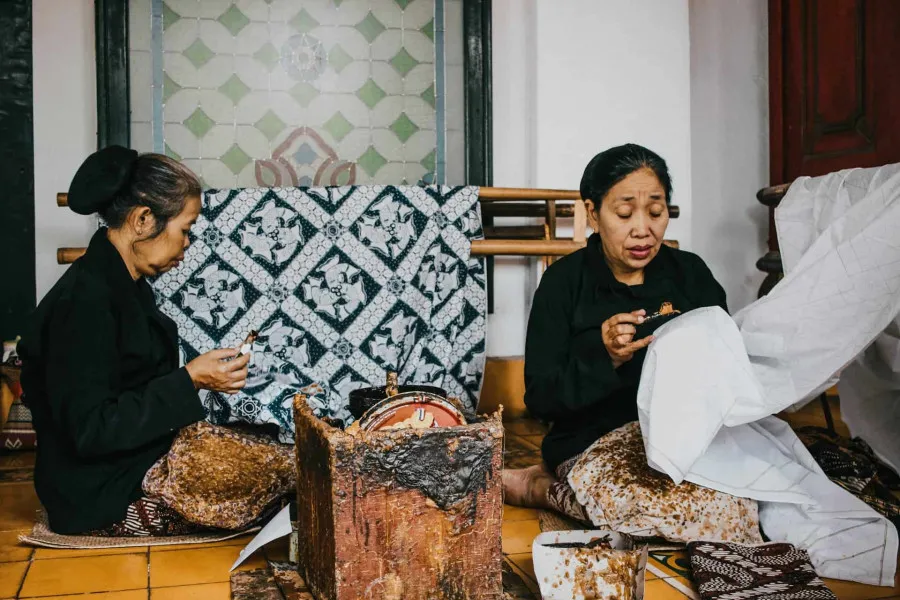
Photo by Camille Bismonte on Unsplash
In 2026, Indonesian brands possess the unique power to lead the global sustainable fashion movement by holding fast to their heritage.
When we choose ethically processed traditional textiles, we aren't just wearing clothes; we are wearing identity, history, and a commitment to the planet. This is the true definition of being stylish and responsible.
Which plant-based natural dye are you most interested in learning about or wearing?
"Indonesian traditional textiles are sustainable materials tested by centuries of time. In 2026, we no longer need to look for foreign innovations; fashion’s greatest ethical breakthrough lies within our own cultural heritage."
![Alinear Indonesia [Brand/Business Registration] Smart Publication & Smart Activation](https://www.alinear.id/assets_web/images/qr-codes/3e23e7dab43d2e72854ba48a3a09cf75.jpg)