

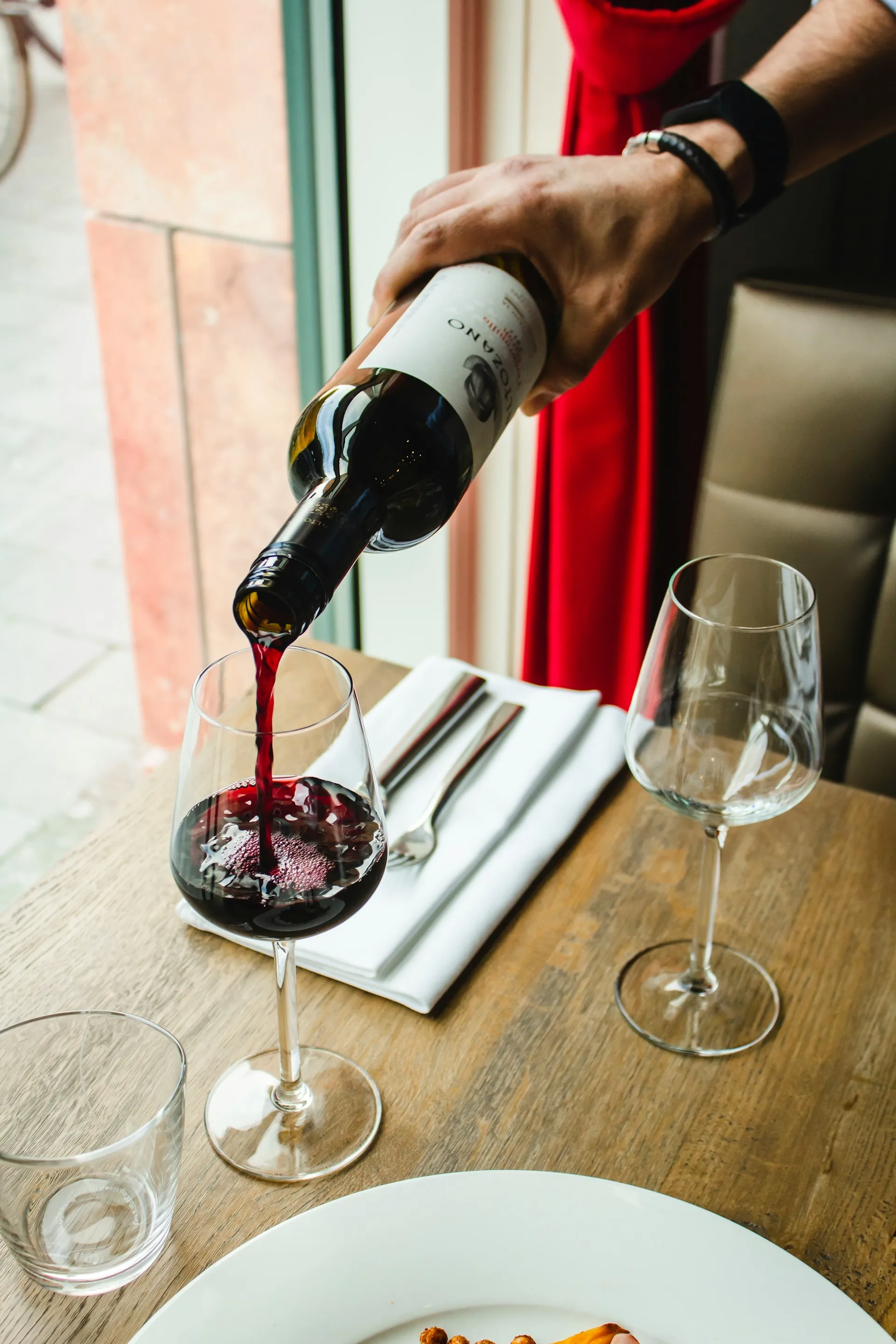

Photo by Louis Hansel on Unsplash
The premium beverage landscape within metropolitan centers is undergoing a significant shift in appreciation. For decades, the benchmark for a luxury vintage was directed exclusively toward traditional Western valleys or established Southern Hemisphere estates. However, the evolution of the modern lifestyle industry has prompted discerning tasters and beverage curators to look closely at the massive potential of Local Vineyards driven by independent, domestic artisan winemakers.
This movement has successfully deconstructed the outdated stigma that premium wine grapes cannot thrive along the equatorial belt. Through meticulous geographic mapping and agricultural resolve, local winemakers are proving that the challenges of a tropical climate can be converted into a distinctive flavor asset—one that cannot be replicated by any other wine-producing region in the world.
Microclimate Science and Contemporary Fermentation
The success of Indonesia’s artisan wineries is anchored in the strategic utilization of distinct microclimates across two primary regions: the arid coastal stretches of North Bali, characterized by constant sunshine and low rainfall, and the fertile highlands of East Java, which offer sharp diurnal temperature fluctuations. On these soils, premium varieties like Alphonse Lavallée (yielding bold, medium-bodied reds) and Muscat of Alexandria (yielding highly aromatic whites) develop exceptional character.
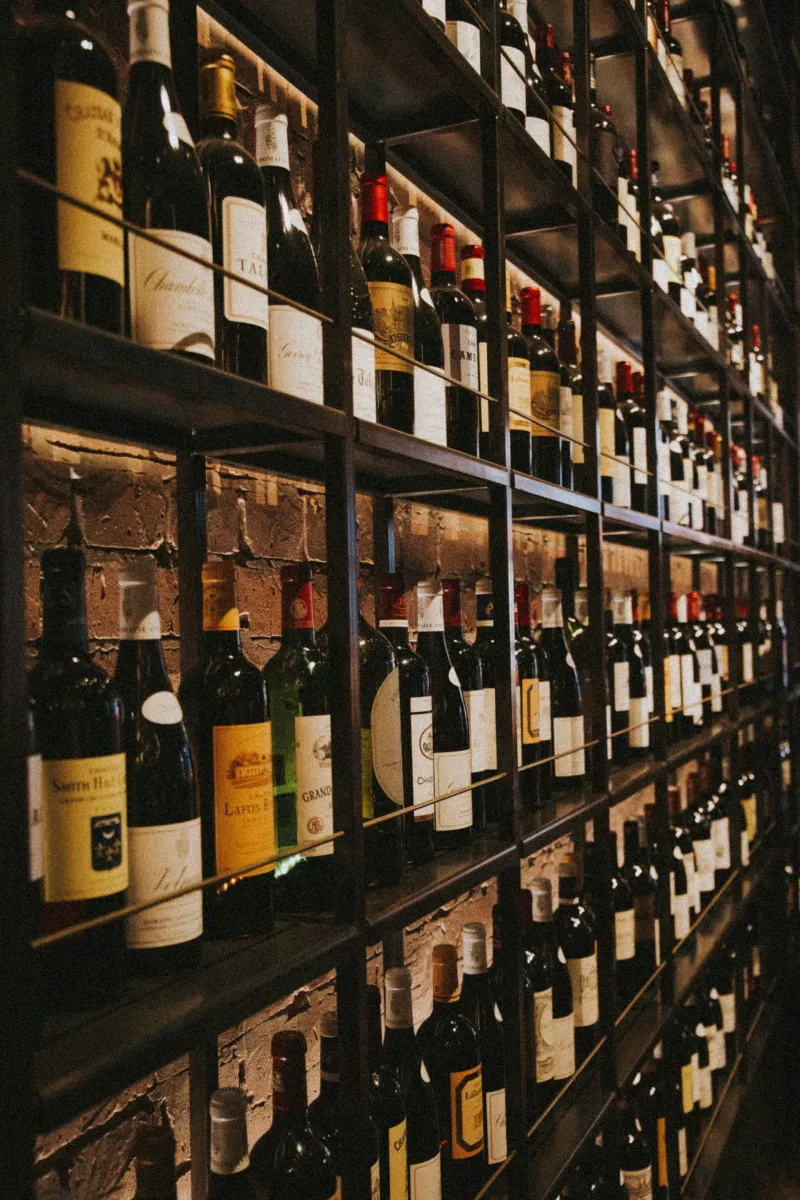
Photo by Klara Kulikova on Unsplash
Inside the wineries, production combines time-honored artisanal dedication—such as manual hand-harvesting to preserve berry integrity—with stringent modern fermentation technology. This dual approach yields a fascinating sensory profile: the resulting tasting notes are crisp, vibrant, and packed with exotic tropical fruit aromas such as lychee, mango, and jackfruit, balanced by clean acidity. These characteristics make local artisan wines exceptionally well-suited for pairing with the complex, spice-heavy layers of authentic Indonesian cuisine.
Temperature Standardization and Precise Service Rituals
Because tropical wines are highly expressive and rich in volatile aroma compounds, they are exceptionally sensitive to ambient temperature changes. Uncontrolled heat exposure quickly disrupts the balance of the wine, causing alcohol vapor to evaporate too rapidly and masking the delicate, exotic fruit layers. Consequently, premium hospitality venues are enforcing rigid temperature service standards.
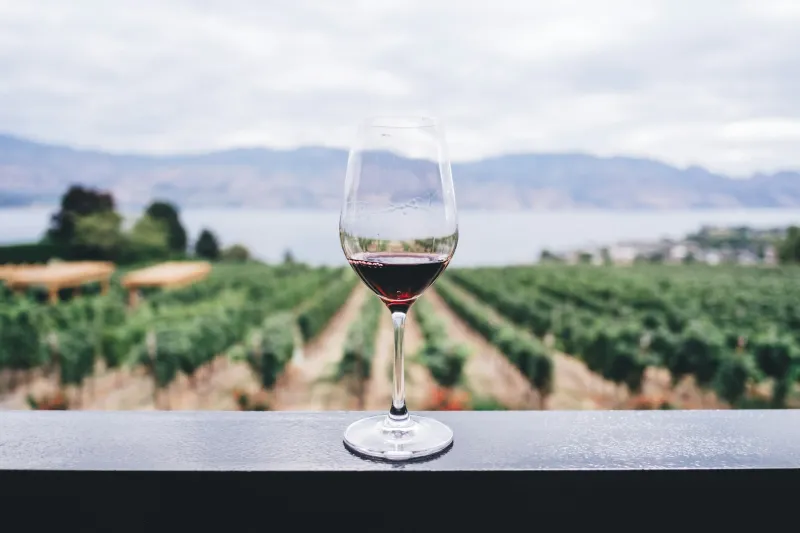
Photo by Kym Ellis on Unsplash
This cooling challenge creates a direct structural parallel with modern beverage preservation methods, such as those detailed in [Craft Ice Culture: Premium Whisky & Craft Cocktails]. While wine is never served over ice directly within the glass, the process of bringing a bottle down to its ideal temperature within an ice bucket demands high-density cooling mediums with slow melt rates. Utilizing crystal-clear, directional-frozen craft ice ensures that the structural integrity of both local still and sparkling labels remains perfectly chilled (between 10°C and 16°C) throughout a dining session, preserving the intricate tasting notes from the first pour to the last drop.
"The luxury of a vintage is no longer measured by the thousands of miles it logs in import cargo, but by the precision of local artistry in capturing the true character of Indonesian soil and tropical sun."
Honoring the Craft of the Native Soil
Sipping a modern vintage is no longer about celebrating the geographical distance a bottle has traveled, but about honoring the craftsmanship that transforms native soil into liquid art.
"When modern viniculture tames the equatorial climate, a bottle of local wine ceases to be just a fermented beverage; it becomes a fluid narrative of resilience, innovation, and territorial pride."
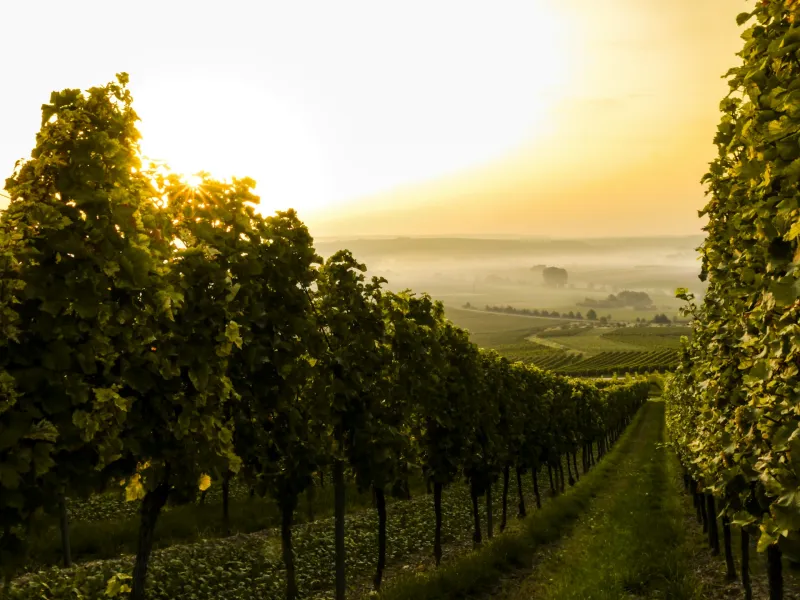
Photo by Sven Wilhelm on Unsplash
WRAP-UP!
The steady ascendance of local vineyards and boutique wineries marks a mature new chapter for Indonesia’s premium F&B sector. By masterfully navigating regional microclimates and integrating advanced contemporary fermentation, domestic winemakers are delivering products that are not only competitive in quality but culturally superior when paired with regional cuisines. This growth solidifies a future where premium beverage programs rely heavily on sustainable domestic production and the precise execution of local agricultural potential.
For restaurant owners, head sommeliers, and premium bar managers, the immediate tactical recommendation is to restructure existing wine lists to highlight dedicated sections for local artisan producers. Conduct structured internal training programs for front-of-house staff to ensure they master the narratives of local terroir and regional culinary pairings. Furthermore, optimize infrastructure by investing in high-specification dual-zone wine cellars to guarantee precise long-term storage conditions before the bottle ever reaches the guest's table.
Looking to feature your brand and business through Alinear Indonesia’s Smart Publication & Smart Activation? Share your experience and consult with us today. Click here!



![Alinear Indonesia [Brand/Business Registration] Smart Publication & Smart Activation](https://www.alinear.id/assets_web/images/qr-codes/3e23e7dab43d2e72854ba48a3a09cf75.jpg)