



Photo source by Alinear Indonesia Docs. (Adobe FireFly – Gemini AI)
The traditional modern workday, with its demanding expectation of total visibility and rapid response across an eight-hour span, has reached a point of diminishing returns. Channeling the sharp, metrics-driven operational critique of Inc. Magazine, forward-thinking enterprises are recognizing a counterproductive reality: constant availability destroys deep execution.
When professionals are forced to constantly switch their attention between continuous messaging threads, sudden calendar requests, and immediate tactical task lists, their mental energy is drained by constant disruption. The solution emerging across elite corporate structures is a deliberate compromise between total freedom and tercentralized control: the Core-Hours Collaboration Model.
The Anatomy of the Core-Hours Split
To install a workflow that protects mental focus while ensuring projects move forward smoothly, the daily schedule is divided into two distinct operating zones. Rather than micromanaging the exact minutes spent at a desk, the system establishes a highly focused, three-hour shared anchor window.

Photo source by Alinear Indonesia Docs. (Adobe FireFly – Gemini AI)
During this specific shared window—for instance, between the hours of 13:00 and 16:00—all members of the cross-functional team are concurrently online and available. This micro-window becomes the designated landing strip for high-bandwidth interactions: rapid alignment meetings, complex problem-solving sessions, and vital strategic updates. Outside of this anchor slot, the schedule shifts entirely into an asynchronous, focus-first environment.
Protecting the Deep Work Runway
The true value of this scheduling shift lies in the liberation of the remaining working hours. By confining collaborative demands to a predictable block, the morning and late afternoon periods are transformed into highly secure spaces for high-concentration work.
During these focus blocks, internal communication tools default to quiet status updates. Team members can dive deeply into complex tasks without the constant interruption of notification pings. This approach directly reduces the mental fatigue associated with task-switching, allowing teams to execute high-value work with better efficiency than a standard, disrupted schedule.
The Technology Framework of Asynchronous Trust
Drawing from the systems-focused perspectives championed by Wired, the success of this model requires a distinct technological foundation. Moving away from reactive messaging requires robust asynchronous documentation systems.
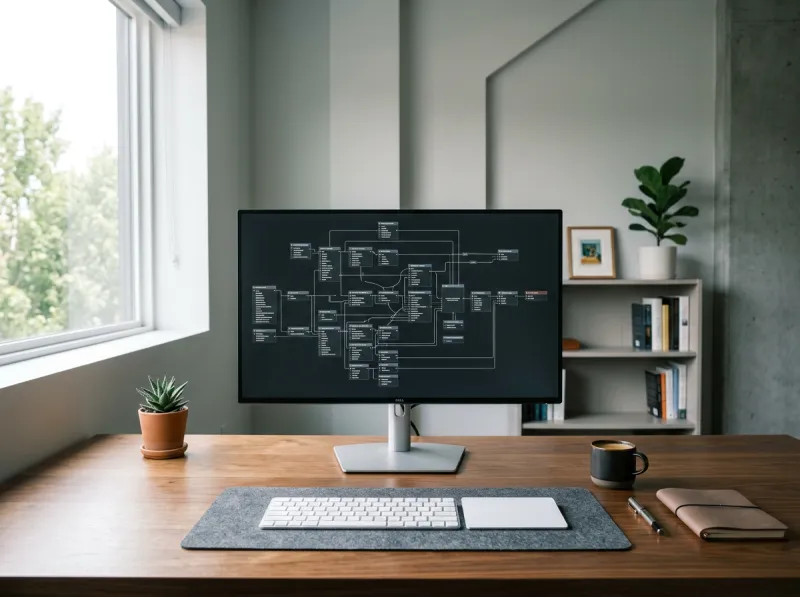
Photo source by Alinear Indonesia Docs. (Adobe FireFly – Gemini AI)
Instead of hunting down colleagues for context updates, project states must be cleanly logged within transparent management platforms. Meeting frequencies drop because project parameters, expectations, and task blockers are clearly outlined in advance. Communication transitions from a series of constant interruptions into an orderly process of reading and writing, creating a calm, highly disciplined corporate environment.
"True operational scale is achieved not by extending the hours your team stays online, but by eliminating the constant disruptions that fragment their focus."
Restructuring Time for Sustainable Velocity
Looking closely at the future of organizational health, scaling an enterprise successfully cannot rely on demanding more hours from a workforce; it requires maximizing the value of the hours already given.
The Core-Hours Collaboration Model offers a sustainable path forward. By treating human attention as a premium, finite resource that must be actively protected, modern leadership builds an ecosystem that values output over mere presence. It demonstrates that true operational excellence is realized not by forcing teams to work in lockstep all day, but by designing a system that balances collective collaboration with the quiet space required to actually build.
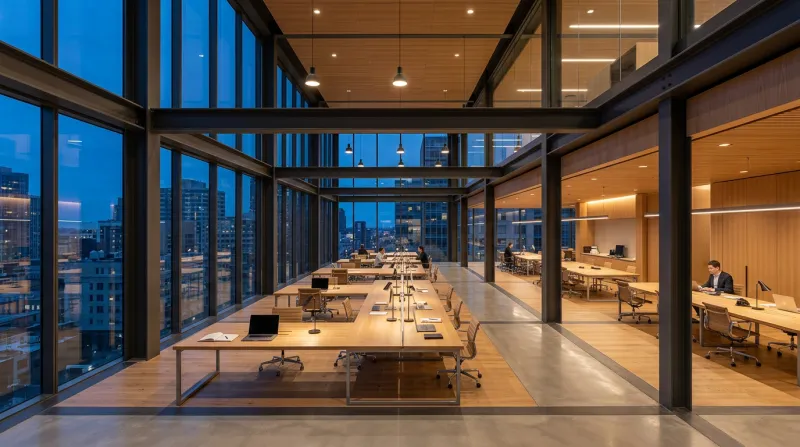
Photo source by Alinear Indonesia Docs. (Adobe FireFly – Gemini AI)
"By consolidating team collaboration into a strict three-hour window, progressive organizations transform communication from a constant interruption into a precise corporate asset."
WRAP-UP!
The adoption of the Core-Hours Collaboration Model represents a vital evolutionary step in modern workplace design. By establishing clear boundaries between collaborative syncs and individual deep work, companies can drive key performance metrics while insulating their teams from cognitive exhaustion.
Operations teams looking to integrate this model should audit their weekly schedule to cut redundant meetings, establish a definitive three-hour window for mandatory team availability, and train teams on strict asynchronous documentation practices to ensure project velocity remains high during solo work blocks.
Looking to feature your brand and business through Alinear Indonesia’s Smart Publication & Smart Activation? Share your experience and consult with us today. Click here!



![Alinear Indonesia [Brand/Business Registration] Smart Publication & Smart Activation](https://www.alinear.id/assets_web/images/qr-codes/3e23e7dab43d2e72854ba48a3a09cf75.jpg)