

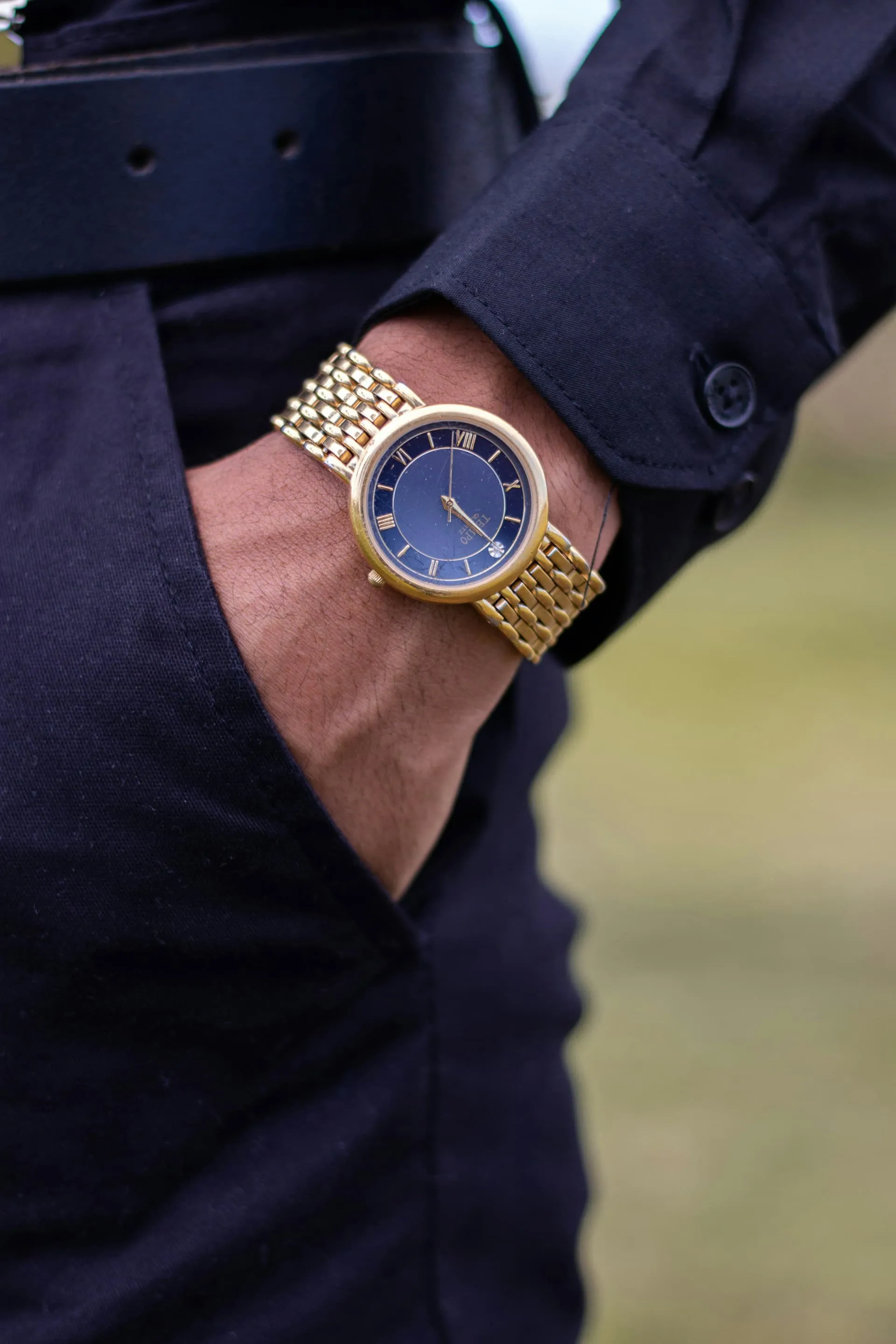

Photo by Bruchin Noeka on Unsplash
In a world dominated by digital devices that can become obsolete in months, the hobby of vintage mechanical watch restoration emerges as an elegant form of resistance against the "throwaway" culture. Restoring a mechanical watch is not merely a technical task of repairing a timekeeping tool; it is a discipline that demands a deep understanding of horology, metallurgy, and micro-manufacturing persistence.
Enthusiasts in this field often spend months simply understanding a single movement or watch engine that is over half a century old. The process begins with a total disassembly down to the smallest parts, such as a hairspring as thin as a human hair, or the escapement gears that regulate the life-pulse of a timepiece. Each tiny component serves as a silent witness to the evolution of human engineering.
"A mechanical watch is a machine with a soul; it requires no electricity, only care and an understanding of the laws of physics."
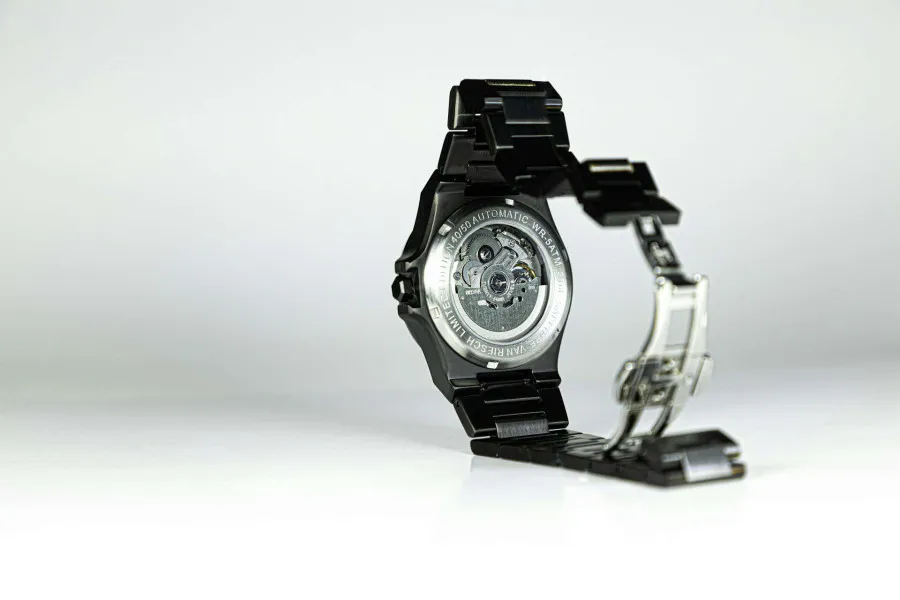
Photo by Sergio Martins on Unsplash
The primary challenge in this restoration lies in absolute precision. A restorer must work under a microscope to clean oxidation on microscopic pivots using tools specifically developed not to scratch the metal surfaces. The beauty of a mechanical watch lies in the fact that it is a "living" machine driven entirely by mechanical energy.
When a restorer successfully realigns the balance wheel so that the watch ticks again with consistent second-by-second accuracy, a profound intellectual satisfaction arises. This hobby also encourages historical exploration, where every scratch on the watch casing or dial design tells of the era in which the watch was made, from military precision to the artistic luxury of the Art Deco style.
"Repairing a watch is not just about fixing a machine; it is about keeping history ticking for future generations."
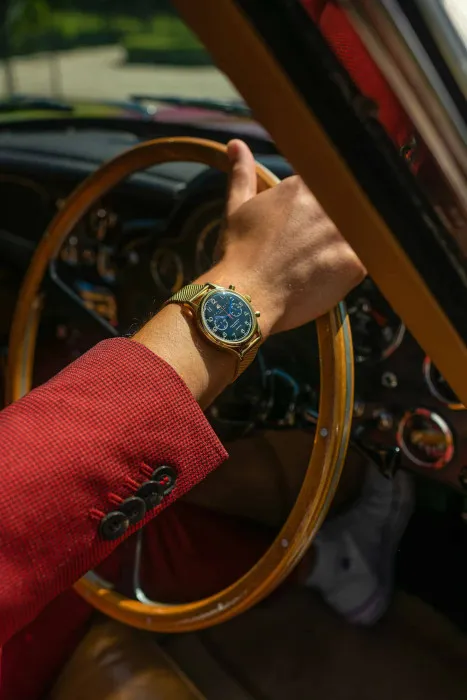
Photo by Huguenot Horology on Unsplash
The watch restoration community has evolved into a vast knowledge-sharing circuit. The scarcity of original spare parts often forces hobbyists to learn how to manufacture their own components using micro-lathes, creating a bridge between ancient technology and modern manufacturing skills.
By reviving an old timepiece, one is essentially fighting against the flow of time itself, ensuring that human craftsmanship from the past maintains its relevance and function. A properly restored mechanical watch is viewed as a timeless object that can be passed down through generations—a living testament that beauty built with precision and attention to detail will never truly die.

WRAP-UP!
Watch restoration is a fusion of fine art and precision engineering that preserves the dignity of historical objects. If you have a family heirloom watch that has stopped ticking, consider taking it to a restoration specialist rather than letting it be forgotten in a drawer.
Looking to feature your brand and business through Alinear Indonesia’s Smart Publication & Smart Activation? Share your experience and consult with us today. Click here!
![Alinear Indonesia [Brand/Business Registration] Smart Publication & Smart Activation](https://www.alinear.id/assets_web/images/qr-codes/3e23e7dab43d2e72854ba48a3a09cf75.jpg)