
Photo source by Alinear Indonesia Docs (AI-generated image)
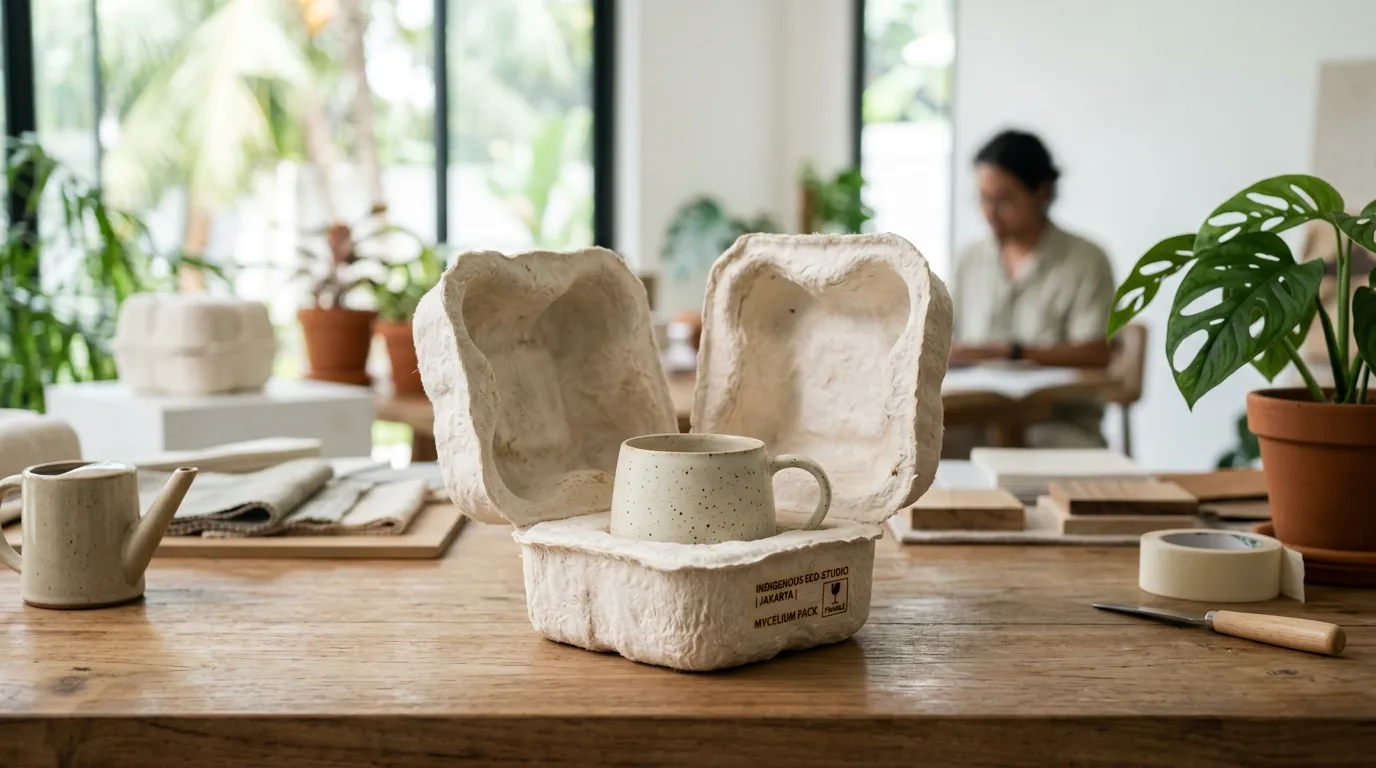
In the era of transition toward a green economy, material efficiency and supply chain sustainability have become critical drivers of modern business competitiveness. Discover the advantages of Mycelium Packaging—an innovative eco-friendly packaging material derived from fungal roots (mycelium) and agricultural waste designed to replace traditional styrofoam protective padding.
This high-standard organic packaging solution is rapidly being adopted by consumer goods producers, craft studios, and eco-conscious e-commerce businesses across Indonesia.
"Mycelium Packaging: the future of robust product protection that seamlessly returns to nature."
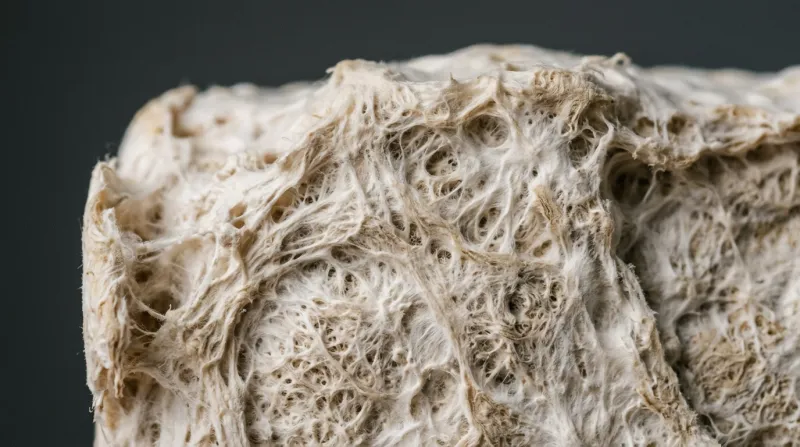
Photo source by Alinear Indonesia Docs (AI-generated image)
Conventional plastic foam or styrofoam packaging has long contributed to persistent waste piles that are extremely difficult to decompose and heavily pollute ecosystems. Fungal-root-based materials emerge as a strategic solution to this environmental challenge.
–– Possesses a robust yet flexible structure capable of absorbing shocks on par with conventional synthetic foam packaging.
–– Once its useful life ends, this packaging breaks down and decomposes naturally into organic soil compost within weeks without leaving harmful residues.
–– Utilizing biomaterial-based packaging strengthens corporate identity as a brand deeply committed to environmental stewardship.
"Replace synthetic styrofoam with the strength of fungal roots—a definitive step toward sustainable business supply chains."
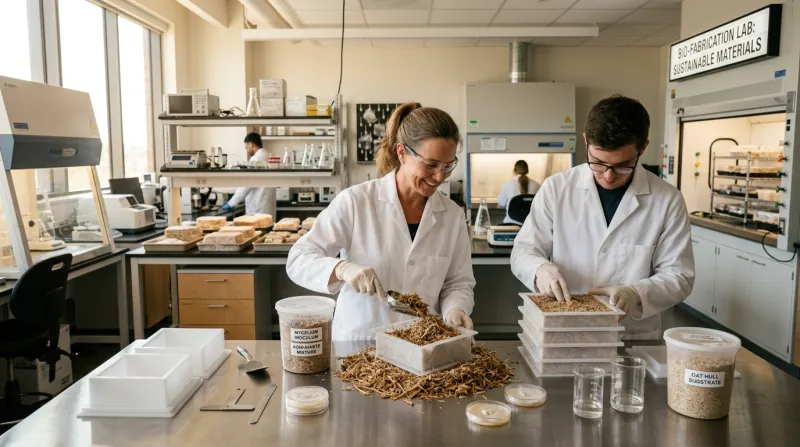
Photo source by Alinear Indonesia Docs (AI-generated image)
How do industries manufacture sturdy protective goods from fungi? The production process combines biotechnology principles with meticulous manufacturing efficiency.
1) Organic Substrate Blending
Sawdust waste or coconut fiber is sterilized and mixed thoroughly with mycelium spores (fungal roots).
2) Customized Mold Shaping
The mixture is packed into specialized molds engineered to match the exact contours of the product requiring protection.
3) Inactivation and Finishing
After the mycelium grows to fill the mold and hardens, the packaging is briefly heat-treated to stop fungal growth, resulting in a sturdy, lightweight, and earth-friendly protective casing.
"Organic biomaterial innovation: blending industrial logistics efficiency with planetary stewardship."
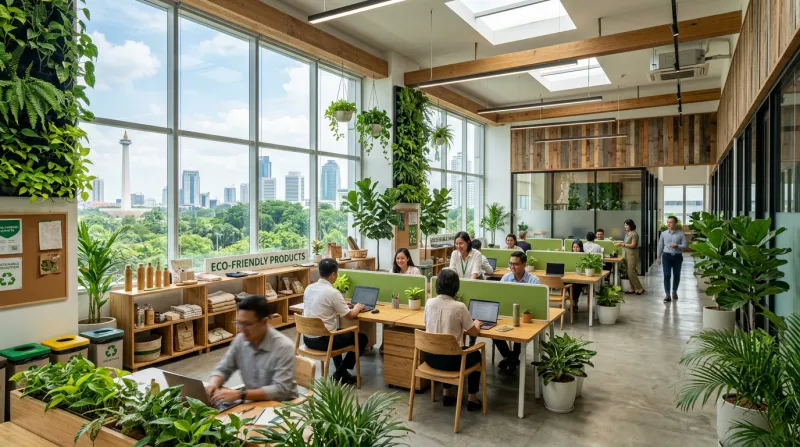
Photo source by Alinear Indonesia Docs (AI-generated image)
Integrating Mycelium Packaging into business operations is no longer merely an eco-trend compliance step, but a strategic long-term investment in material efficiency. By shifting to organic biomaterials, your enterprise not only protects products from shipping damage but also safeguards the planet for future generations.
WRAP-UP!
Mycelium Packaging offers a revolutionary packaging solution based on fungal roots and agricultural waste, delivering high durability and complete biodegradability as a superior replacement for styrofoam. Adopt eco-friendly material technology, optimize your business supply chain, and build a sustainable brand image alongside Alinear Indonesia.
––
Ready to Elevate Your Business and Brand into the Forefront of the Digital Era?
Discover how Alinear Indonesia’s integrated Smart Publication & Smart Activation solutions combine media PR with AI-driven intelligence and the power of storytelling to multiply your business visibility and credibility (Brand Authority). Consult your vision and growth strategy with us today. [Click Here to Begin!]

![Smart Publication+ 3.0: Build Authority. Drive Growth. [Technical Specification]](https://www.alinear.id/assets_web/images/qr-codes/bd48cb0acb2d9586570edb8a7303cee1.jpg)