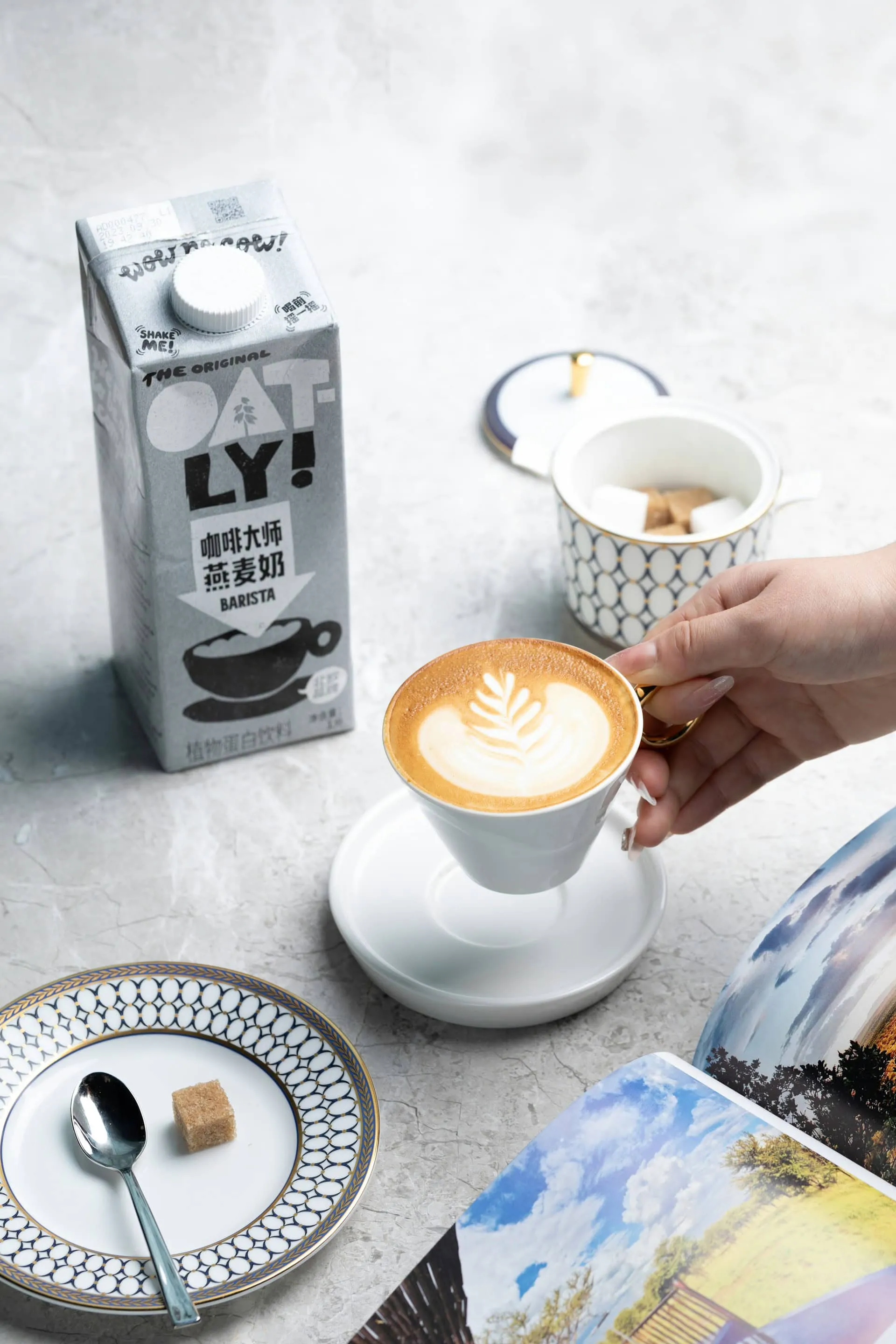

Photo by Morton Xiong on Unsplash
The specialty beverage industry is witnessing a significant shift in how plant-based alternatives are perceived and prepared. Moving away from standardized, shelf-stable products, many establishments are now adopting "Oat Milk 3.0"—a movement centered on small-batch, in-house production and controlled fermentation. This approach allows for a higher level of customization and a distinct flavor profile that differentiates an establishment's offerings.
The Science of Controlled Fermentation
The technical superiority of this method lies in the precise control over enzymatic activity and bacterial cultures:
•• Deepened Natural Sweetness: During fermentation, enzymes effectively break down oat starches into simple sugars. This process creates a rich, natural sweetness that eliminates the need for added artificial sweeteners or syrups.

Photo by İsmail korkmaz on Unsplash
•• Enhanced Stability for Texturing: One of the primary challenges with non-dairy milk is heat stability. In-house fermentation stabilizes the oat protein structure, resulting in a superior "micro-foam" that is ideal for high-quality latte art and a creamy mouthfeel.
•• Signature Flavor Profiles: By utilizing specific bacterial cultures, artisans can develop unique "house" flavors—ranging from subtle malty notes to bright, yogurt-like acidity—offering an experience that cannot be replicated by industrial manufacturing.
The authentic flavor and rich texture of fermented oat milk make it an exceptional pairing for modern desserts. The earthy, savory undertones of the milk provide a balanced contrast to the delicate sweetness of fusion pastries, creating a sophisticated sensory harmony that defines current gastronomic standards.

Photo by Dannie Sorum on Unsplash
Beyond sensory benefits, the move toward in-house production is a strategic step toward sustainability. By producing milk on-site, businesses significantly reduce the carbon footprint associated with multi-layered packaging and long-distance logistics. This model promotes food transparency, ensuring consumers receive a fresh product that is free from stabilizers and preservatives while remaining environmentally conscious.
"The future of plant-based milk lies in artisan expertise rather than just industrial mass production."
This movement proves that in a highly digitized era, traditional values such as precision and manual preparation remain a mark of luxury. An establishment is no longer just a point of sale, but a creative laboratory that celebrates raw ingredients through technical mastery.

Photo by James McGraw on Unsplash
"True authenticity begins when basic ingredients are handled with care, creating a harmony that mass-market machinery simply cannot duplicate."
WRAP-UP!
This evolution in plant-based milk highlights a commitment to higher quality and greater sustainability within the F&B industry. By blending the science of fermentation with technical skill, the modern beverage industry offers more than just a drink; it offers a narrative of respect for flavor and the environment.
Looking to feature your brand and business through Alinear Indonesia’s Smart Publication & Smart Activation? Share your experience and consult with us today. Click here!



![Alinear Indonesia [Brand/Business Registration] Smart Publication & Smart Activation](https://www.alinear.id/assets_web/images/qr-codes/3e23e7dab43d2e72854ba48a3a09cf75.jpg)