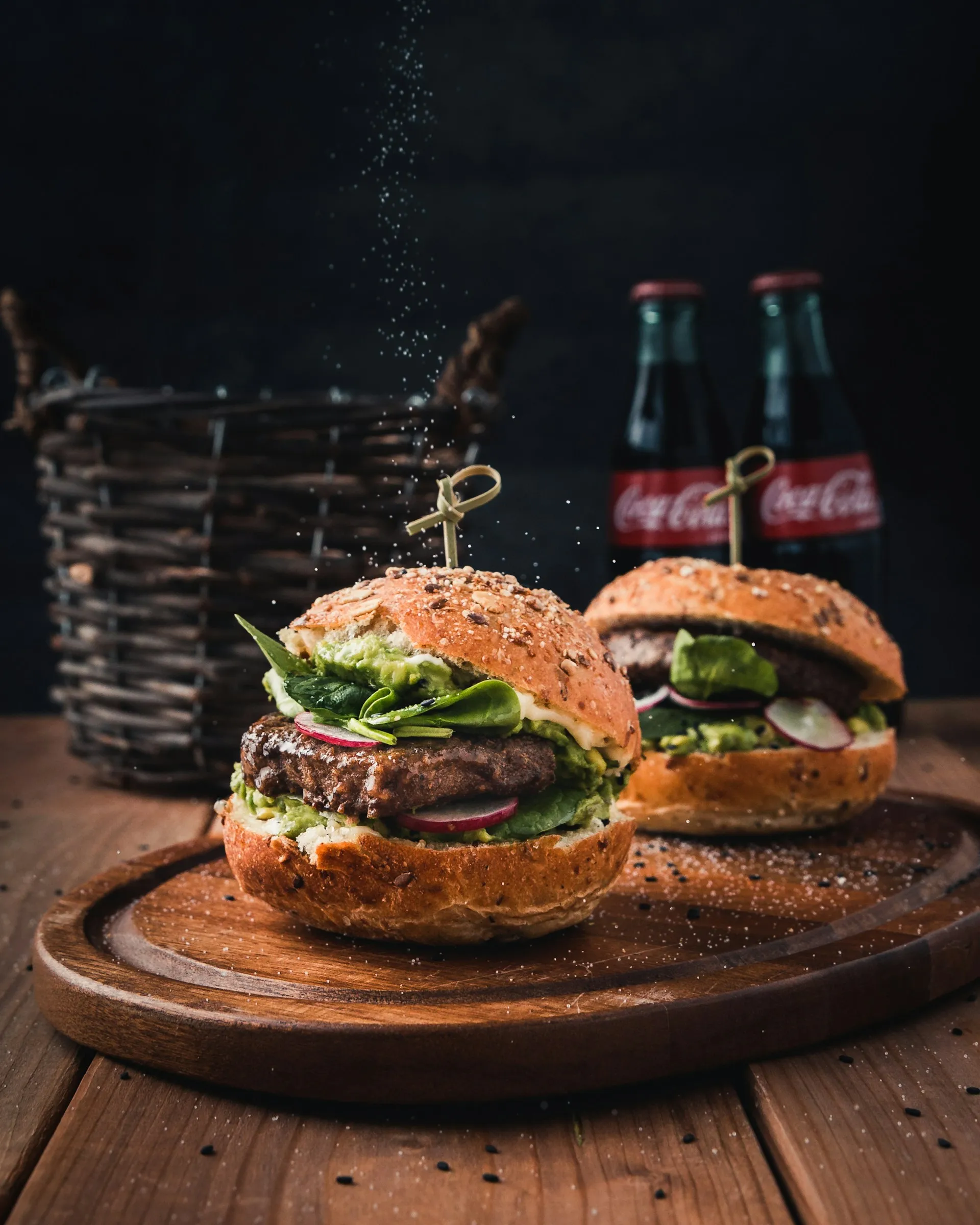

For generations, a premium cut of Wagyu beef—defined by its delicate, lace-like network of white fat—has occupied the absolute pinnacle of global culinary achievement. Across elite dining rooms from Tokyo to Jakarta, the quality of this luxury ingredient is judged by the ability of its lipid fibers to liquefy instantly upon contact with human body temperature, releasing a deep wave of savory umami. Consuming Wagyu has never been a matter of basic nourishment; it is a sensory ritual celebrating specific physical structures, textures, and aromas.
Yet, amidst the intense climate realties of 2026, this legacy carnivore luxury faces unprecedented scrutiny regarding its carbon footprints, resource intensive nature, and overall ecological footprint. The traditional livestock sector imposes heavy tolls on the biosphere. This modern paradox has prompted premier food scientists and visionary chefs to build a new frontier in gastronomy: engineering the legendary richness of Wagyu without compromising a single animal life, utilizing precision molecular configurations derived entirely from plants.
Engineering Intramuscular Fat Layers
The ultimate hurdle in synthesizing a premium meat alternative resides not in mimicking muscle fibers, but in reengineering the intricate mechanics of animal fat. Early-generation plant burgers historically alienated discerning gourmands due to their dry profiles and tendency to lose moisture during thermal application. Modern food labs have resolved this systemic failure through advanced structured lipid emulsion technology.
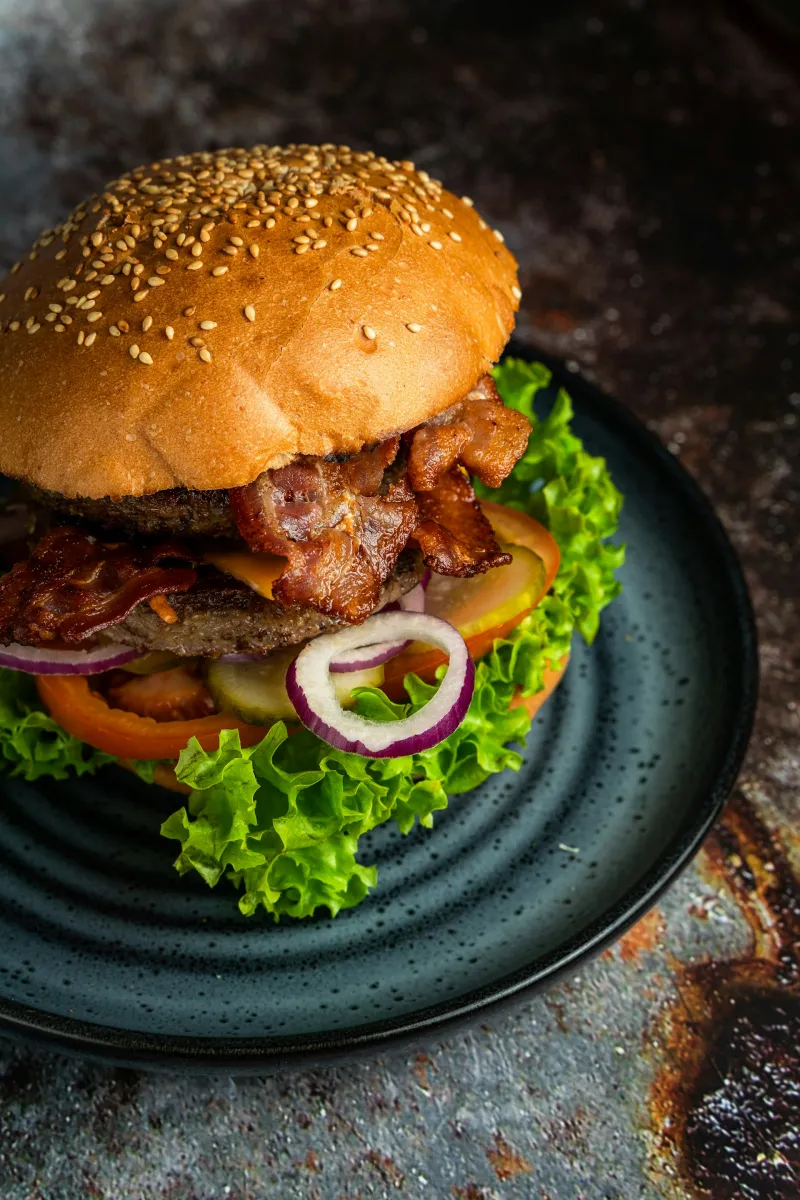
Photo by James Jeremy Beckers on Unsplash
By combining isolated pea proteins with tailored coconut and canola oil matrices engineered for precise thermal melting thresholds, scientists have built a liquid-crystal fat network that responds exactly like bovine intramuscular fat. When this plant-based patty hits a blistering flat-top griddle, the simulated white fat deposits do not break down prematurely. Instead, they liquefy gradually, basting the surrounding protein fibers and triggering a textbook Maillard reaction that generates the precise caramelized notes and rich aromas of real beef.
A Blind Test for Modern Gourmands
When the Plant-Based Wagyu Burger is presented tableside, its visual execution is indistinguishable from its conventional counterpart. The patty boasts a beautifully caramelized, deeply browned exterior crust that yields to a glistening, tender pink interior, saturated with the engineered lipid melt. There are no synthetic chemical overtones or vegetal notes that plagued early vegetarian alternatives.
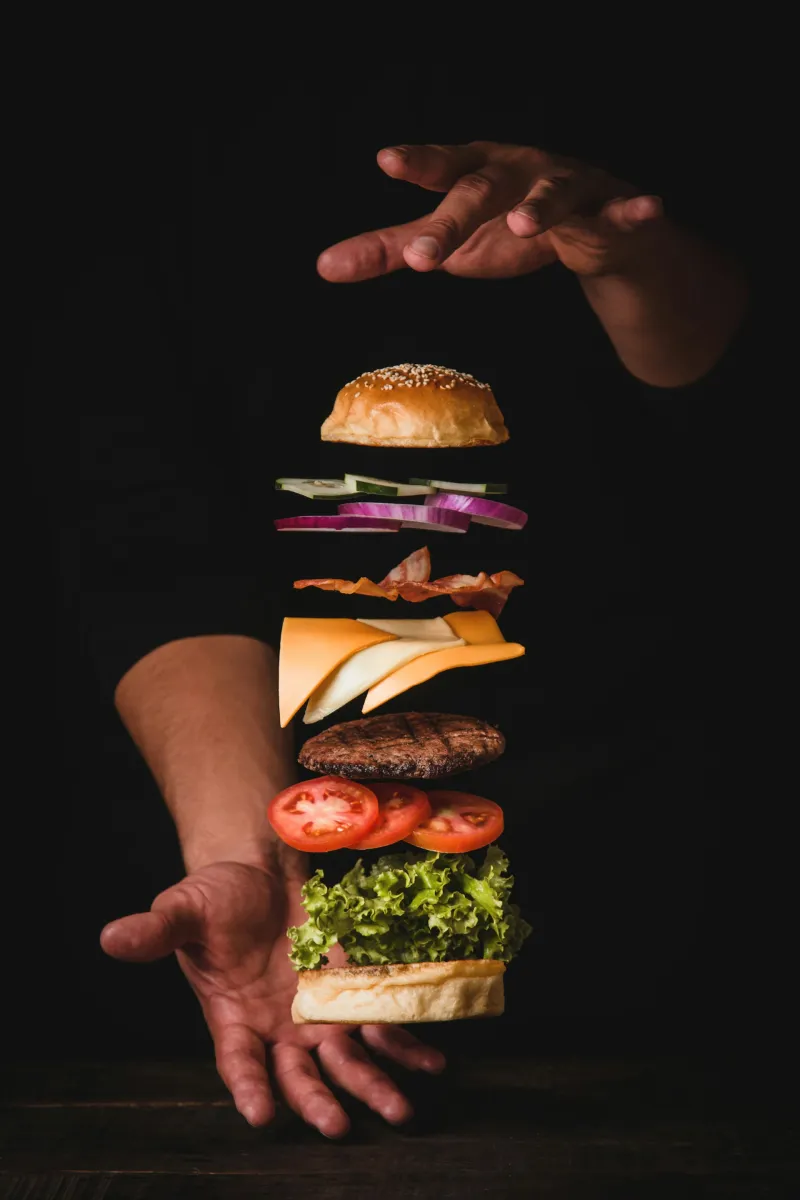
Photo by Pablo Merchán Montes on Unsplash
On the first bite, the biochemical illusion triumphs completely. The velvety, umami-rich fat melt covers the palate, harmonizing with the soft sweetness of an artisanal brioche bun. The structural tension of the plant fibers offers an authentic chew resistance, convincing the neural pathways that this is artisan-butchered, high-grade beef. This culinary achievement proves that gastronomic luxury is no longer chained to biological origins, but rather to the absolute accuracy of molecular design.
The Eco-Luxury Synergy: Merging Lab Innovation with Waste-Free Kitchens
This breakthrough in premium plant-based meat does not exist in an operational vacuum. Across major international food capitals, these lab-engineered innovations are being seamlessly integrated into pioneering hospitality concepts that treat environmental responsibility as a core element of luxury. The inclusion of high-tech plant proteins has become a foundational pillar for progressive dining concepts built around a closed-loop system [Circular Kitchen: Restoran Zero-Waste].
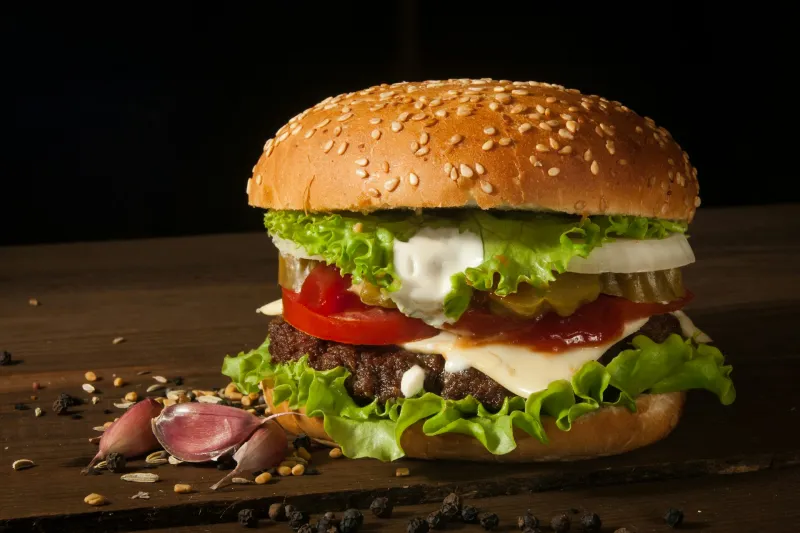
Photo by Ilya Mashkov on Unsplash
Within a circular kitchen ecosystem, organic trimmings from burger preparation prep lines are upcycled into rich reductions or fermented into complex umami seasonings. The incorporation of lab-engineered Wagyu amplifies this efficiency, instantly dropping the venue's operational carbon index to baseline lows. Discerning diners are no longer just purchasing an exceptional flavor profile; they are investing in a sophisticated climate manifesto where high gastronomy and zero-waste operational discipline coexist without compromise.
Dissolving the Boundaries of Nature and Artifice
As cellular agriculture and protein engineering continue to mature, the conceptual divide separating "natural" food from "engineered" alternatives will entirely evaporate. The future of gastronomy will not evaluate luxury by how rigidly it replicates antiquity, but by how ingeniously it leverages molecular science to capture authentic flavors while preserving the planetary balance.
"The luxury of future gastronomy will not be judged by the acreage of land sacrificed to livestock, but by the genius of scientists organizing plant-based molecular strands to completely disarm the most traditional food critics."
The Plant-Based Wagyu Burger stands as a definitive manifesto for this cultural evolution. It demonstrates that the flavors humanity pursues are ultimately universal chemical arrangements—precise combinations of amino acids, lipid chains, and volatile compounds—that can be elegantly assembled from plant sources. As old traditions make way for modern methods, we unlock a clean, intelligent culinary landscape that satisfies our highest gastronomic demands while ensuring ecological peace.
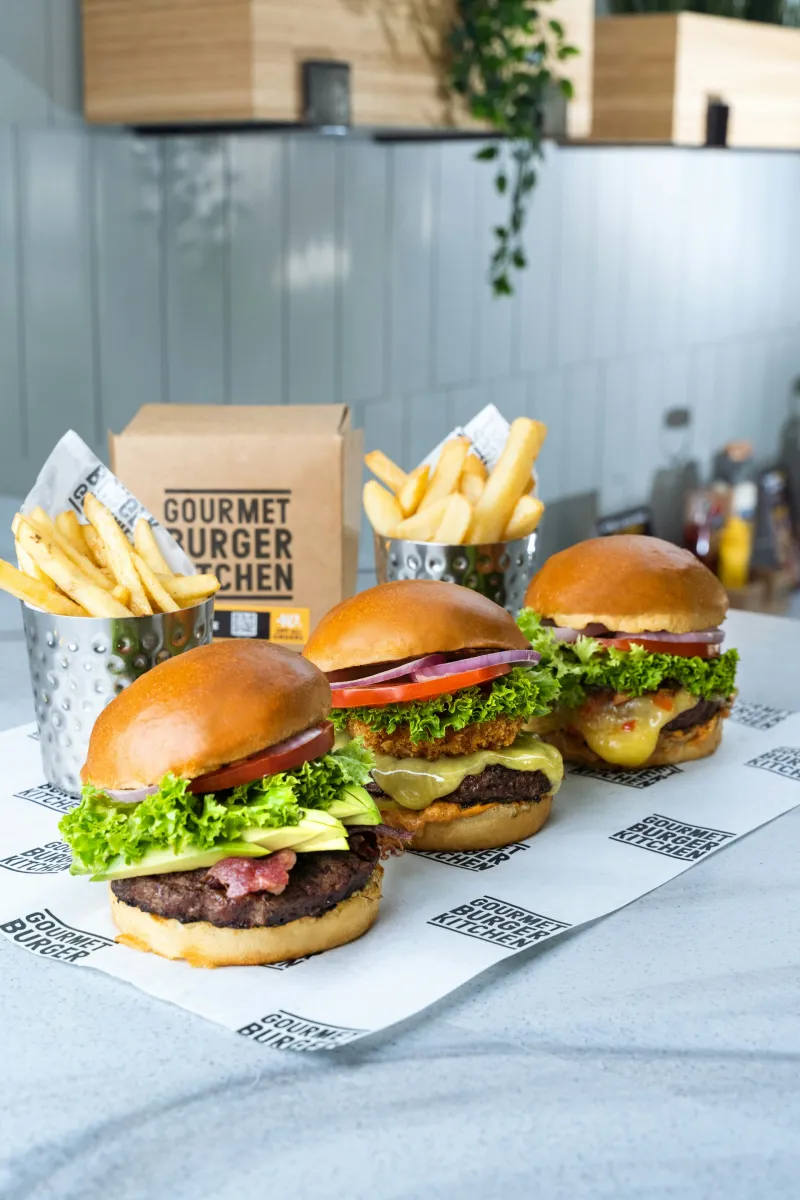
Photo by Eiliv Aceron on Unsplash
"When the rich melt of lab-engineered wagyu fat converges with the zero-waste ethos of a circular kitchen, we are consuming a culinary masterpiece where respecting the planet tastes just as premium as the food on the plate."
WRAP-UP!
The lab-engineered Plant-Based Wagyu Burger demonstrates that 2026 food technology can successfully replicate the intricate sensory variables of ultra-premium meat with exceptional precision. By mastering plant-derived lipid emulsions, the signature melt-in-the-mouth profile of authentic Wagyu is realized without environmental degradation. This technical milestone aligns perfectly with the accelerating global movement toward [Circular Kitchen: Restoran Zero-Waste], signaling a profound shift in hospitality where culinary luxury and environmental circularity are entirely integrated.
Food and beverage operators must aggressively evaluate advanced alternative protein matrices within their menus to structurally reduce fixed carbon expenditures; couple these ingredient innovations with zero-waste kitchen management software to cultivate the conscious, high-net-worth demographic driving modern luxury commerce.
Looking to feature your brand and business through Alinear Indonesia’s Smart Publication & Smart Activation? Share your experience and consult with us today. Click here!
![Smart Publication+ 3.0: Build Authority. Drive Growth. [Technical Specification]](https://www.alinear.id/assets_web/images/qr-codes/bd48cb0acb2d9586570edb8a7303cee1.jpg)