


Photo source by SR Digital - Alinear Indonesia (Adobe Firefly AI – Gemini AI)
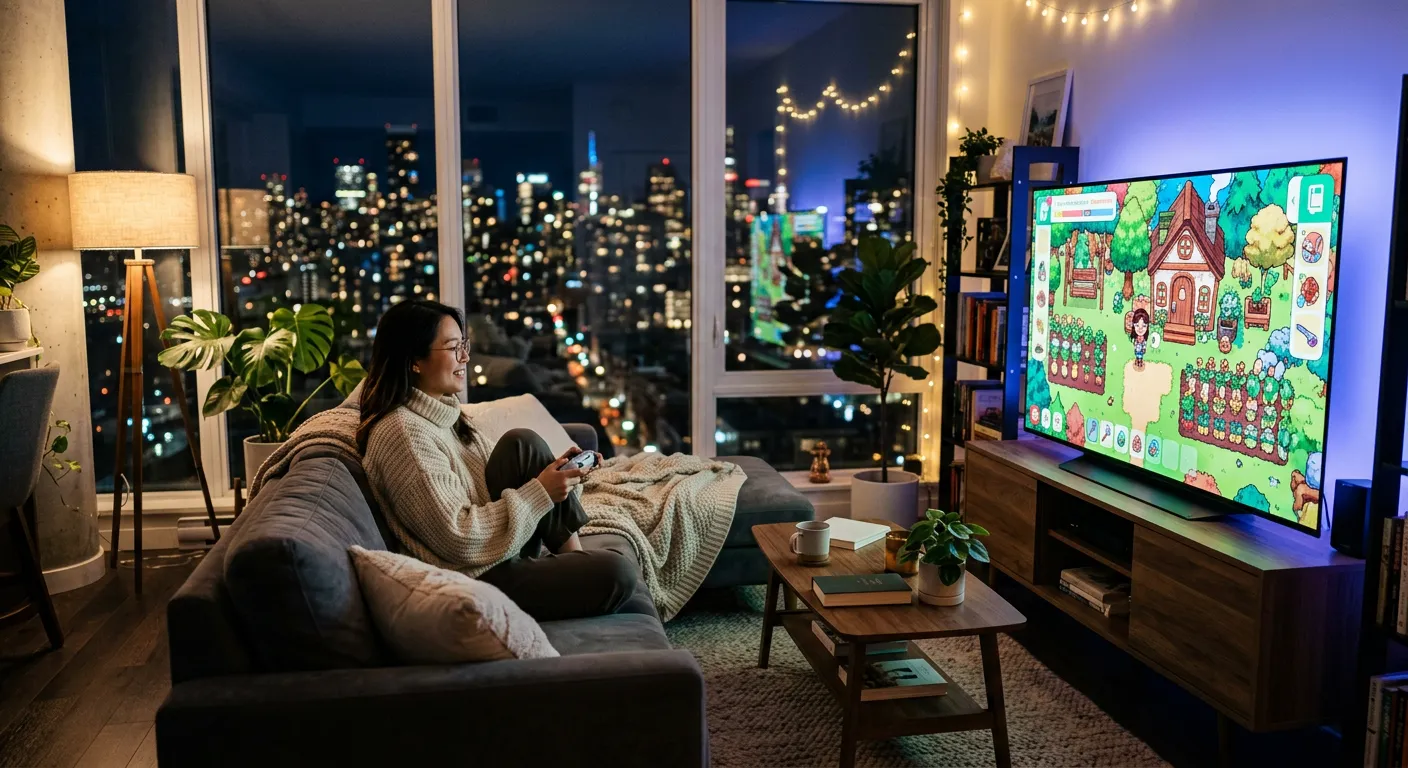
The global digital entertainment industry is recording a significant shift in preferences with a massive surge of players in the Life Simulation Games genre. Amidst the demanding pace and rigid schedules of modern routines, millions of individuals choose to spend hours in front of screens for seemingly simple activities: arranging virtual town layouts, managing digital gardens, or organizing the daily routines of fictional characters. This phenomenon has sparked deep interest among behavioral researchers to dissect the profound psychological motivations driving the popularity of this genre.
Catharsis and Emotional Control Mechanisms
Psychologists suggest that the essence of slow-paced games—frequently categorized as cozy gaming—acts as a space for catharsis and a form of healthy escapism from real-world anxieties. Unlike real life, which is often riddled with unpredictability, the simulation world grants a complete sense of control to its players. Every decision to place a home ornament or water a digital plant yields immediate, comforting, and concrete results. This instant sense of achievement effectively stimulates dopamine production without triggering additional mental burdens.
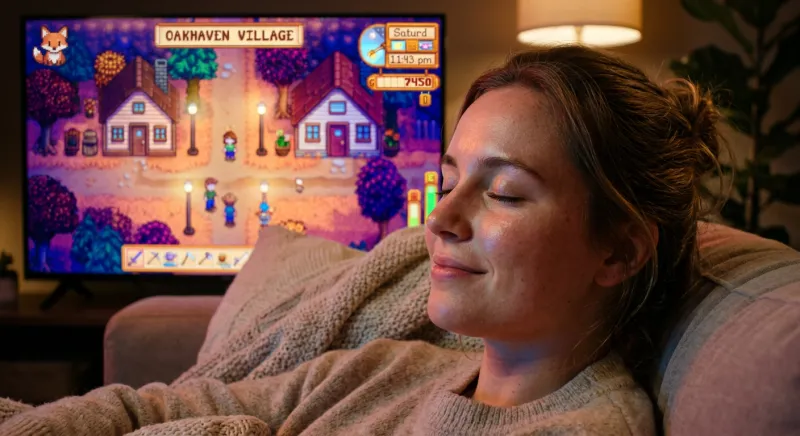
Photo source by SR Digital - Alinear Indonesia (Adobe Firefly AI – Gemini AI)
"Sometimes, tidying up a fictional world inside a screen is the most peaceful way to restore serenity within our own minds."
Aligning Gaming Boundaries with Mental Well-Being
The existence of this calming, measured playground naturally runs parallel to broader mental health principles. Healthy play boundaries within a simulated ecosystem align closely with concepts currently being developed in Healthy Play-to-Earn 2.0 Education. Both concepts emphasize the importance of cultivating a balanced relationship between users and digital environments. When a game successfully limits aggressive competitive pressures, the virtual space transforms into a safe sanctuary for practicing creativity while safeguarding the psychological wellness of its users.
Discovering a Safe Space Free of Aggressive Competition
The primary allure of life simulation games lies in the total absence of rigid win-lose systems. There are no demands for fast reflexes, no threats of elimination from other players, and no judgmental social pressures. The absolute freedom to enjoy the process at one's own pace offers an invaluable breathing room for mental health. Through a beautifully curated pixel universe, the digital entertainment industry successfully proves that it is no longer just a casual pastime, but a valid medium for emotional restoration.
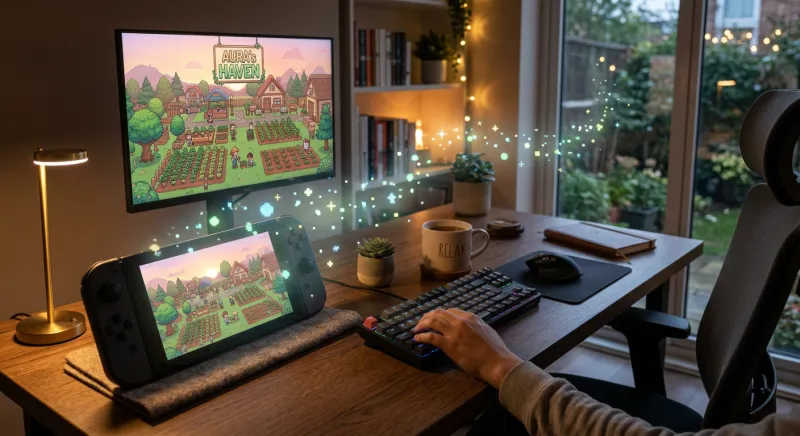
Photo source by SR Digital - Alinear Indonesia (Adobe Firefly AI – Gemini AI)
"True peace is not found by winning competitions over others, but when we are allowed to grow at our very own pace."
WRAP-UP!
Life simulation games or cozy gaming offer highly positive psychological impacts by providing a sense of control and instant achievement for players. The low-pressure environment, free from aggressive competition, makes it an effective instrument for healthy escapism to reduce mental anxiety. Are you looking to explore the most relaxing simulation game titles to unwind this week, or wishing to dive deeper into entertainment psychology articles?
Looking to feature your brand and business through Alinear Indonesia’s Smart Publication & Smart Activation? Share your experience and consult with us today. Click here!



![Alinear Indonesia [Brand/Business Registration] Smart Publication & Smart Activation](https://www.alinear.id/assets_web/images/qr-codes/3e23e7dab43d2e72854ba48a3a09cf75.jpg)