


Photo by Clint Bustrillos on Unsplash
Contemporary society remains entangled in a consumption cycle characterized by rapid material replacement. Driven by heavy technology penetration, modern popular culture inadvertently trains individuals to adopt a quick-fix habit: the moment a household electronic device suffers a minor malfunction, the fastest and most expected choice is discarding it to purchase a new unit. This behavior does more than trigger environmental strain via accumulating electronic waste (e-waste); it actively erodes human appreciation for the material value of personal belongings.
Behind the convenience offered by this throwaway ecosystem lies a widening gap that separates humans from a basic mechanical understanding of the tools supporting their lives. A total reliance on mass-scale manufacturing leaves individuals without practical self-sufficiency. Operating as a direct antithesis to this alienation, social collectives forming under The Repair Café Movement introduce a necessary cultural intervention, rejecting the premise that a malfunctioning object is automatically a useless one.
Photo by Jon Tyson on Unsplash
Inside Physical Collaboration: Democracy of Knowledge Across the Modern Workbench
On a recurring basis, this movement temporarily transforms public spaces, art galleries, or community creative hubs into dynamic, integrated repair laboratories. The primary principle separating these spaces from conventional commercial service centers is the complete rejection of passive transactional dynamics. Visitors do not arrive merely to drop off a device, pay a service fee, and leave the premises.
Instead, the ecosystem is specifically engineered to foster an egalitarian exchange of practical knowledge through three tactical pillars of interaction:
–– Open-Dialogue Damage Diagnosis
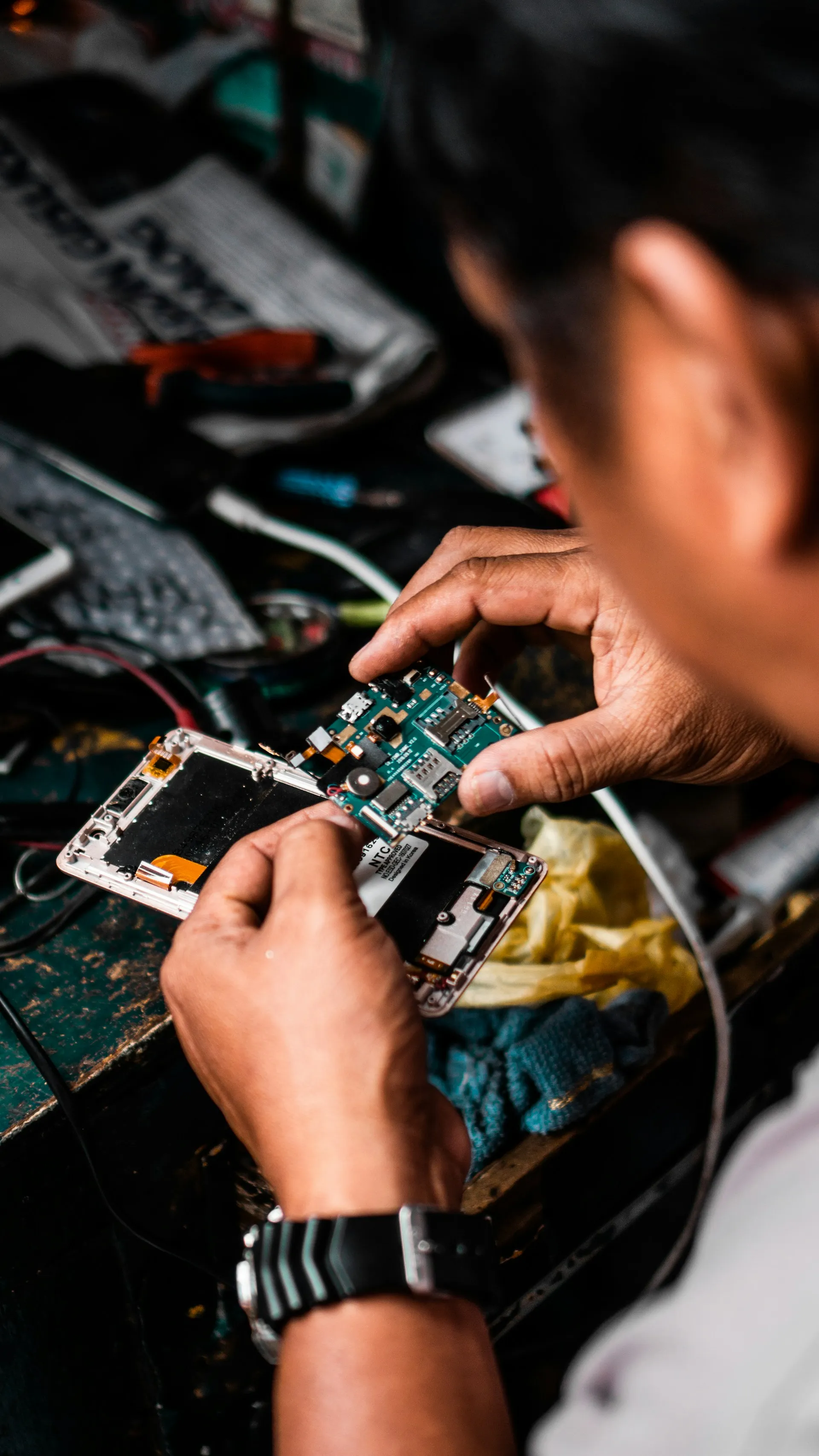
The process begins with the owner sitting side-by-side with a technical volunteer at a shared workbench. The opening phase relies on transparent conversation exploring the device's usage history—spanning household blenders, retro turntables, or aging laptops—to identify the root cause of the breakdown.
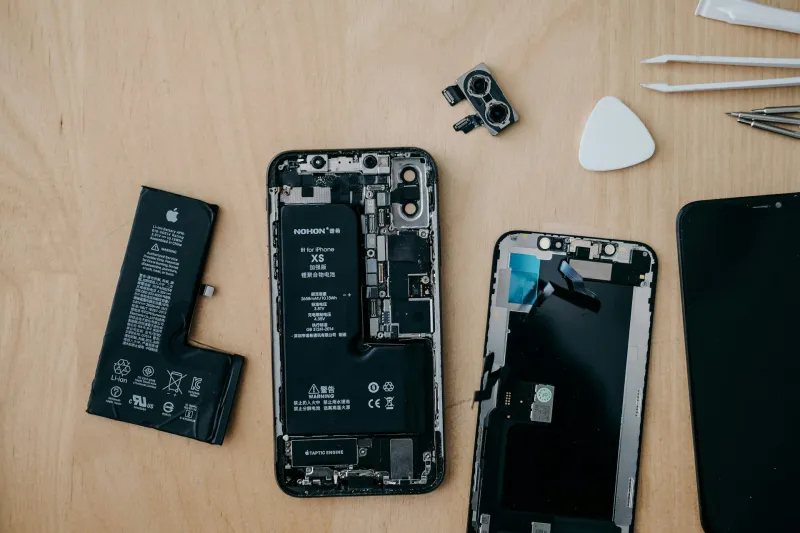
Photo by insung yoon on Unsplash
–– Guided Disassembly and Internal Component Familiarity
Under the steady guidance of a facilitator, owners are encouraged to handle tools directly and open the device chassis. This physical deconstruction helps demystify consumer technology, allowing individuals to view and comprehend circuit boards and mechanical parts typically concealed behind corporate casing.
–– Collaborative Repair Execution
Soldering circuits, replacing blown fuses, or clearing blocked drive motors are executed as shared tasks. Successes and failures throughout the restoration process are met collectively, establishing a supportive learning environment that dissolves the rigid hierarchy between the expert and the novice.
Countering Urban Isolation: The Psychosocial Dimension of Material Restoration
From an urban sociology lens, the ultimate value of this initiative extends far beyond the quantitative metrics of e-waste diverted from municipal landfills. The true triumph of these communal spaces lies in their capacity to mitigate the social isolation and digital fatigue common in dense metropolitan environments. Engaging in physical, hands-on repair demanding focused motor skills provides a healthy cognitive break from continuous digital screen exposure.
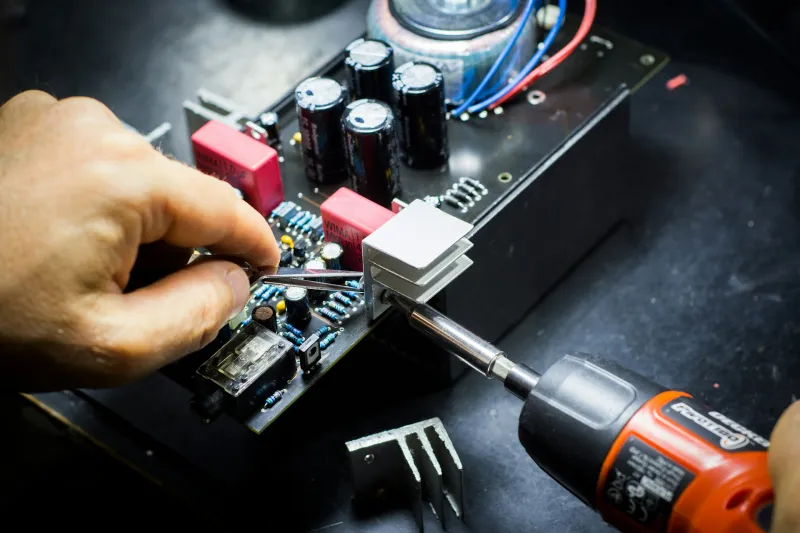
Photo by Blaz Erzetic on Unsplash
When two strangers cooperate to revive an old appliance, they build a genuine bridge of empathy. The workspace evolves into a welcoming "third place" where personal anecdotes, memories linked to the objects, and casual camaraderie flow without pretense. Restoring an item's utility ultimately runs parallel to restoring interpersonal connections that are easily strained by individualistic urban lifestyles [Digital Loneliness & Physical Community Solutions].
"Fixing broken items alongside others is one of the most organic ways to mend the social ties that easily fray behind digital screens."
Human Connections Through Material Upkeep
The essence of this circular movement reinforces the philosophy that maintenance and repair represent profound acts of care toward the environment and the community.
"Do not rush to discard an object that has lost its function; in the right community space, a breakdown is simply the opening chapter of a fresh collaborative story."
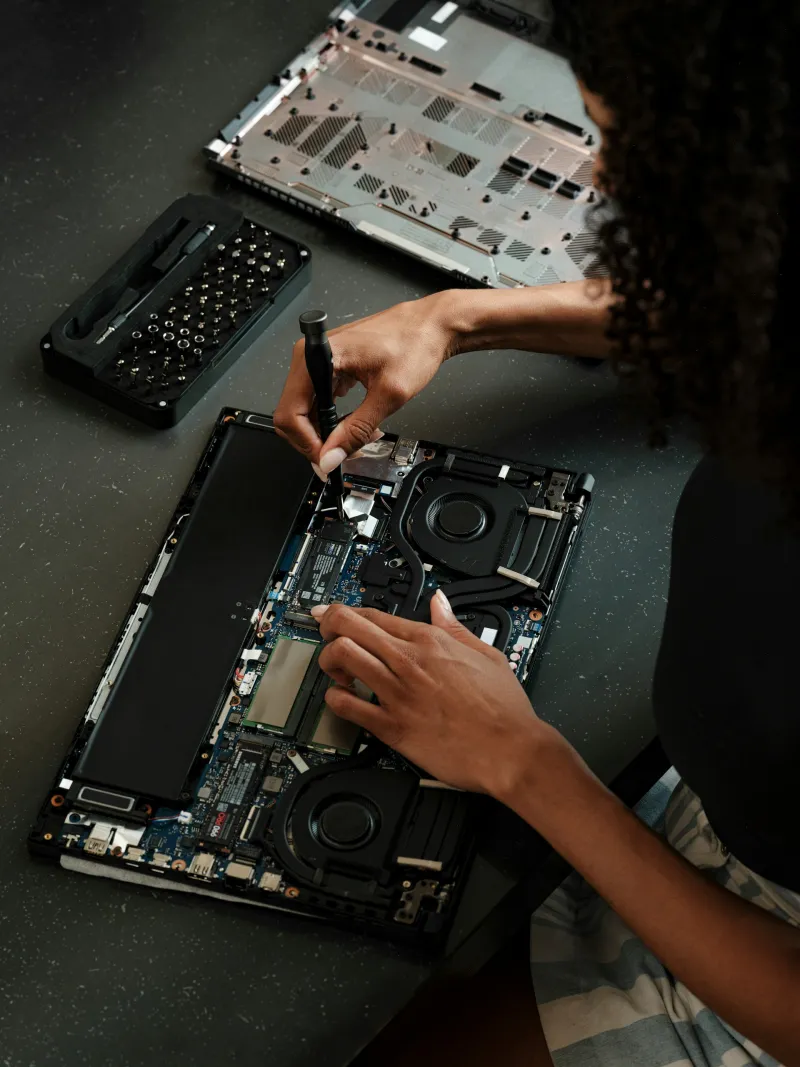
Photo by Samsung Memory on Unsplash
WRAP-UP!
The Repair Café Movement demonstrates that solutions to global environmental issues are frequently anchored in rebuilding local social cohesion. By offering inclusive, real-world physical environments for collective electronic diagnosis and repair, this popular subculture successfully limits urban e-waste growth. More importantly, it revitalizes the spirit of modern collaboration, proving that the act of fixing material objects can serve as a potent instrument to heal contemporary social alienation.
Your immediate practical step is to audit your home storage spaces and collect any small electronics currently experiencing minor functional issues. Research upcoming activation dates for local repair collectives via neighborhood social networks or community boards. Approach the venue not as a passive consumer expecting a service, but as an active participant ready to learn, share stories, and collaborate over a workbench. If you possess technical skills or enjoy tinkering with hardware, consider signing up as a volunteer facilitator to lend your expertise toward a cleaner planet and a stronger social fabric.
Looking to feature your brand and business through Alinear Indonesia’s Smart Publication & Smart Activation? Share your experience and consult with us today. Click here!



![Alinear Indonesia [Brand/Business Registration] Smart Publication & Smart Activation](https://www.alinear.id/assets_web/images/qr-codes/3e23e7dab43d2e72854ba48a3a09cf75.jpg)