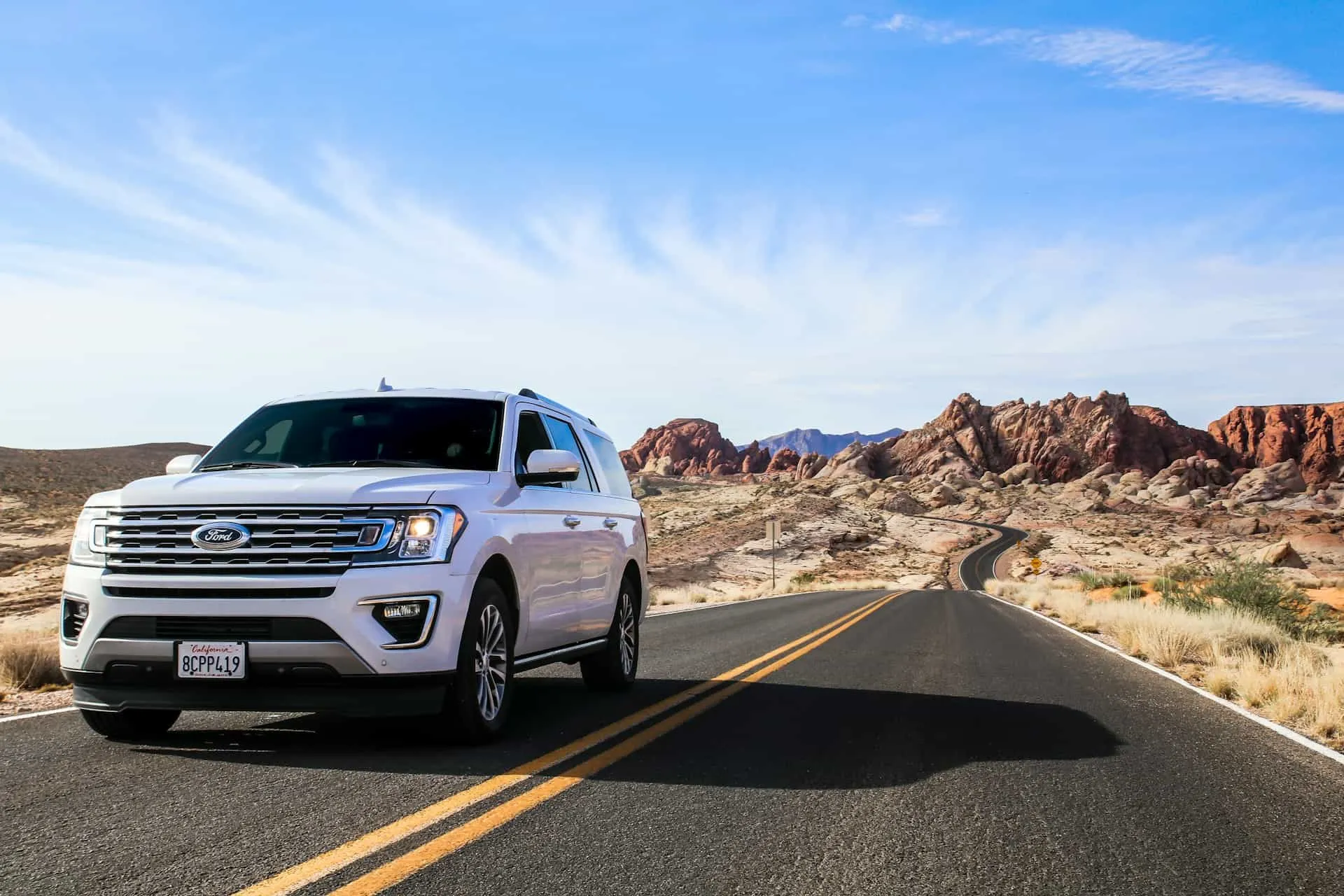

The Evolution of the SUV: From Boxy Designs to Aerial Precision
The SUV category is no longer solely reliant on a large, imposing presence to capture attention. As global awareness of energy efficiency grows, manufacturers are prioritizing precise "Aerodynamics" more than ever. The primary challenge in SUV design has always been its tall and boxy stature, which naturally creates significant wind resistance (drag) when traveling at high speeds.
Automotive designers are now implementing ingenious solutions to overcome these physical hurdles. Without stripping away the rugged identity of the SUV, they are adopting more fluid body lines, smoother contours, and the use of active shutters in the front grille—which close automatically when maximum engine cooling is not required to streamline airflow across the front end.
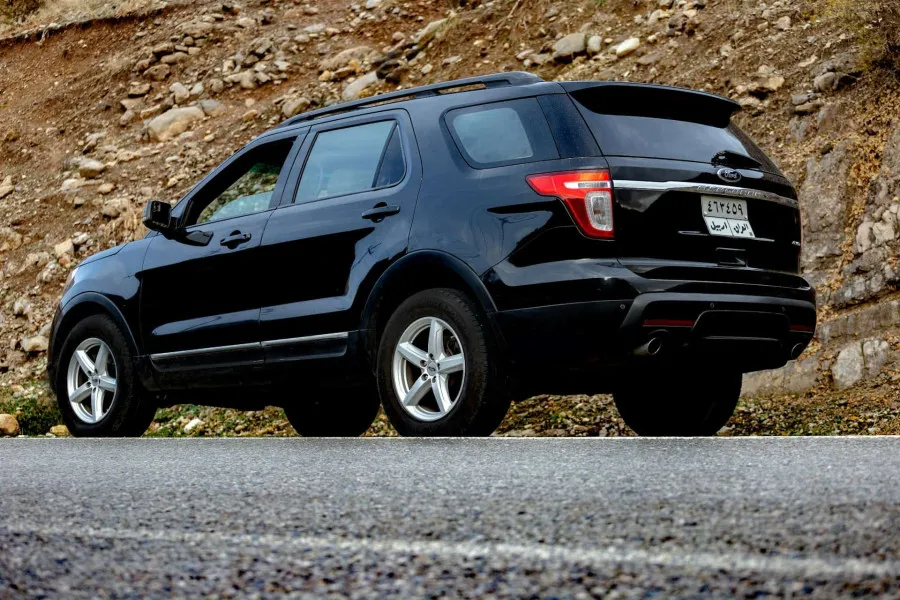
Photo by Haryad photography on Unsplash
Function Behind the Aesthetics
Technically, almost every minor detail on a modern SUV’s exterior now serves a specific aerodynamic purpose. Design is no longer just "eye candy"; it is the result of mathematical calculations aimed at lowering the drag coefficient.
Several key innovations have become the new standard:
•• Underbody Airflow Optimization: The use of cover panels on the vehicle's underside to minimize air turbulence, which often gets trapped in the high clearance areas of traditional SUVs.
•• Exterior Component Detailing: Streamlined side mirrors, flush door handles, and aerodynamically optimized wheel designs intended to pull air away from the wheel wells to reduce lateral drag.
•• Rear Flow Management: Sculpted rear spoilers designed to ensure airflow detaches smoothly from the vehicle body, preventing the "wake effect"—a low-pressure area that essentially pulls the vehicle from behind.
These aerodynamic improvements deliver a significant double impact: energy savings (both for internal combustion engines and electric vehicle battery range) and a marked reduction in wind noise within the cabin. As a result, highway driving becomes higher quality, quieter, and more stable.
Photo by James Penner on Unsplash
"True design beauty is found when captivating body lines work in perfect harmony with the forces of nature."
The Future of Efficient SUVs
The application of aerodynamics to SUVs proves that aesthetics and efficiency can go hand in hand. Modern consumers are increasingly sophisticated; they seek vehicles that not only look impressive on the road but also offer efficient technical performance and economic sustainability.
The successful SUV of the future is one that "slices through the wind" with ease without sacrificing the spatial functionality and toughness that define the segment. Through this technology, long-distance mobility becomes more economical, serene, and enjoyable for the dynamic urban family.

"The modern SUV is no longer just about conquering terrain, but about conquering resistance through design intelligence."
WRAP-UP!
Aerodynamics is no longer the exclusive domain of sports cars or exotic sedans. The modern SUV has proven that large dimensions can remain efficient through smart and functional design engineering. When choosing a new SUV, pay attention to the aerodynamic details rather than just engine size or capacity. A vehicle with superior aerodynamics will significantly lower your long-term operational costs.
Looking to feature your brand and business through Alinear Indonesia’s Smart Publication & Smart Activation? Share your experience and consult with us today. Click here!

![Smart Publication+ 3.0: Build Authority. Drive Growth. [Technical Specification]](https://www.alinear.id/assets_web/images/qr-codes/bd48cb0acb2d9586570edb8a7303cee1.jpg)