

Photo by Jumping Jax on Unsplash
Within the upper echelons of AAA game development, voice is never merely an auxiliary asset to text on a screen. It operates as the emotional scaffolding of an interactive experience—the visceral anchor that binds a player's empathy to the destiny of a digital protagonist. However, entering 2026, this auditory landscape is experiencing a massive tectonic shock. Generative AI technology has evolved rapidly from rigid text-to-speech engines into synthetic voice-cloning frameworks operating with terrifying fidelity.
Today’s advanced neural systems replicate more than just an actor's fundamental pitch and timbre; they capture microscopic emotional nuances: the subtle tremor of vocal cords holding back grief, regional micro-dialects, and the brief, sharp inhalations taken before a cinematic battle sequence. While this offers unprecedented operational scale for game developers, it simultaneously casts a profound existential shadow over the human voice talents who built the industry from the ground up.
Beyond Acoustic Waveforms
Technically, the 2026 iteration of voice cloning no longer requires hundreds of hours of isolated studio clean-room recordings. Modern deep-learning neural networks can map a performer's complete vocal biometric architecture using a high-quality reference sample lasting only a few seconds.
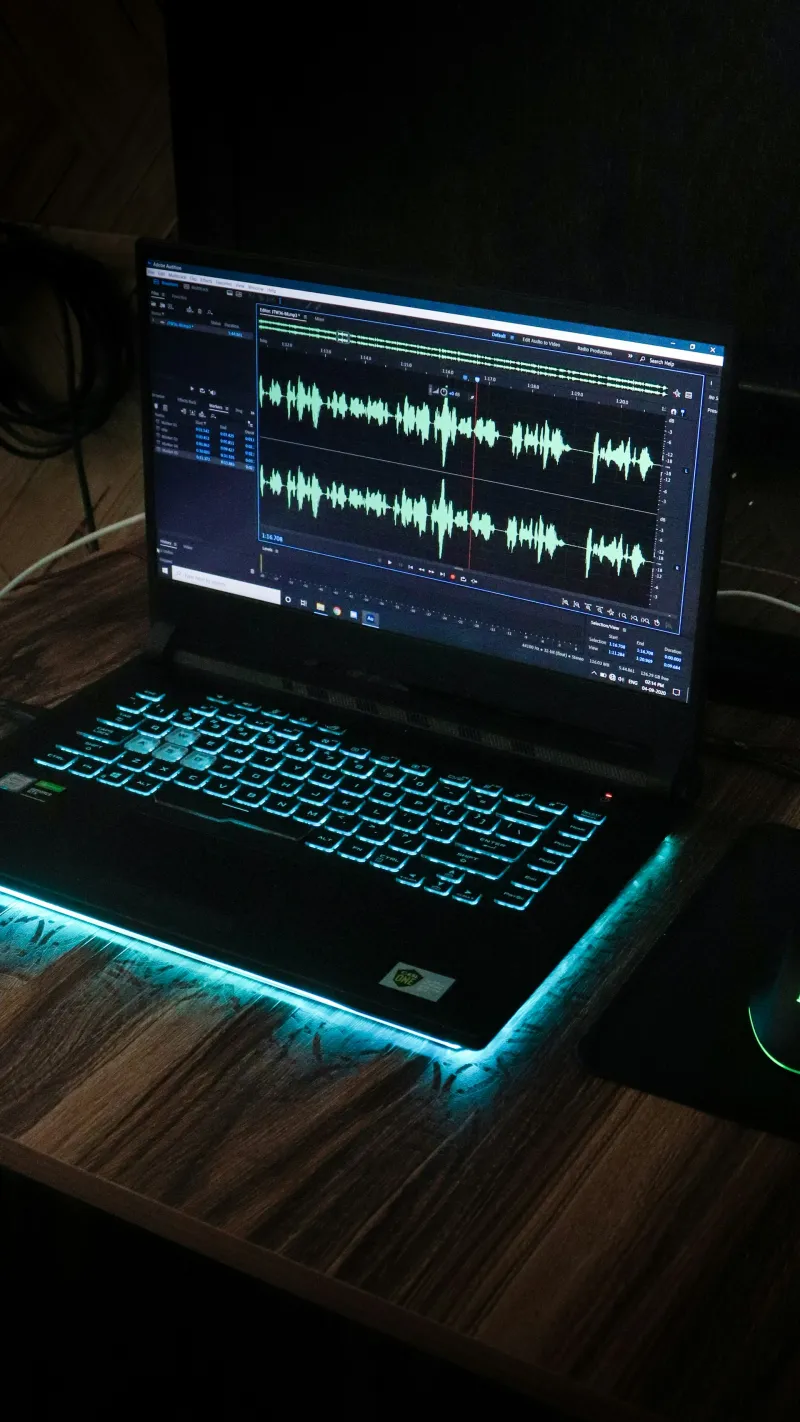
Photo by Ritupon Baishya on Unsplash
Through complex neural modeling, AI detaches the written text from the performance characteristics, allowing the trained voice model to deliver entirely new scripts across multiple languages while modulating emotional variables on the fly. Corporate networks prize this fluidity because it allows them to localize sprawling games into dozens of international markets instantly without contracting local actors worldwide. Yet, this seamless utility triggers a profound aesthetic dilemma regarding the dilution of raw performance art.
The Auditory Uncanny Valley: Synthetic Proximity and Sensory Rejection
Even as cloning technologies approach flawless technical replication, the 2026 market is running headfirst into a rigid psychological barrier among gaming communities. This phenomenon manifests as the auditory equivalent of the classic [The Uncanny Valley: AI Avatar]. When an AI-generated voice sound 99% identical to a human but lacks that missing 1% of organic, spontaneous intuition, the human brain flag-checks the performance as fundamentally fraudulent and unsettling.
Synthetic voice models systematically struggle to duplicate deliberate imperfections—the accidental cracking of a voice born from physical exhaustion during a dual motion-capture session, or the erratic, spontaneous improvisations that alter the narrative trajectory of a scene inside a recording booth. AI voices are inherently too regular, too mathematically optimized. Consequently, instead of immersing the user deeper into the game's lore, uncurated synthetic dialogue often breaks immersion entirely, provoking an instinctive emotional rejection from audiences seeking genuine human expression.

Photo by Rifki Kurniawan on Unsplash
The Regulatory Battleground: Securing Vocal Intellectual Property
Voice professionals are not standing by passively as their digital identities are cloned. The industry has entered a highly litigious era following the ratification of the SAG-AFTRA Interactive Media Agreement. This landmark framework established strict legal guardrails concerning digital replicas and generative AI employment within global gaming houses.
Atheletes and performers are actively deploying the right of publicity and vocal intellectual property (vocal IP) protections to defend their identities. The core legal doctrine is absolute: explicit, written, informed consent coupled with equitable financial residuals must be mandatory whenever a digital vocal replica is deployed beyond the scope of the original recording session. This regulation acts as a vital fortress, preventing major studios from utilizing legacy biometric data to print thousands of new dialogue lines seamlessly without compensation.

Photo by Unavailable Photographer on Unsplash
Creative Coexistence: Preserving Human Artistry in a Digital Future
Ultimately, the future of interactive storytelling does not have to culminate in a zero-sum war of attrition between human creators and machine learning models. The most sophisticated, sustainable pathway forward lies in engineering an ethical blueprint for coexistence. AI systems can be deployed as supplementary tools to handle repetitive, low-risk operational weights—such as voicing thousands of background non-player characters (NPCs) inhabiting massive, open-world environments.
"An algorithm can replicate your acoustic frequencies and respiration cycles mathematically, but it will never clone the trauma, the tears, and the lived experience that birthed those intonations."
Conversely, primary protagonist roles that demand dramatic depth, complex script interpretation, and intense emotional charisma must remain fiercely protected for human performers. By anchoring disruptive tech under strict ethical governance, the gaming world can continue to innovate architecturally while honoring the human soul that remains the vital heartbeat of every cultural masterpiece.

Photo by Kopfhörer Events Deutschland on Unsplash
"The true luxury of an interactive masterpiece does not manifest in its production budget efficiencies, but in its courage to preserve a human soul behind every line of dialogue that touches a player's heart."
WRAP-UP!
The rise of the Synthetic Voice Actor in 2026 brings the interactive media landscape to a historic crossroads balancing absolute operational scale against a deep cultural identity crisis. While generative voice models offer undeniable enterprise utility, systemic auditory anomalies remind us that genuine human emotion cannot be manufactured instantly [The Uncanny Valley: AI Avatar]. Asserting legal sovereignty over biometric vocal IP is paramount to ensuring that digital innovation respects the fundamental rights of creative laborers [Artisan Markets: Pasar Kreatif Lokal].
As an active consumer of modern media, actively champion gaming titles that transparently credit and compensate human performance artists; support a digital economy that protects vocal intellectual property to guarantee the long-term health of our creative industries.
Looking to feature your brand and business through Alinear Indonesia’s Smart Publication & Smart Activation? Share your experience and consult with us today. Click here!