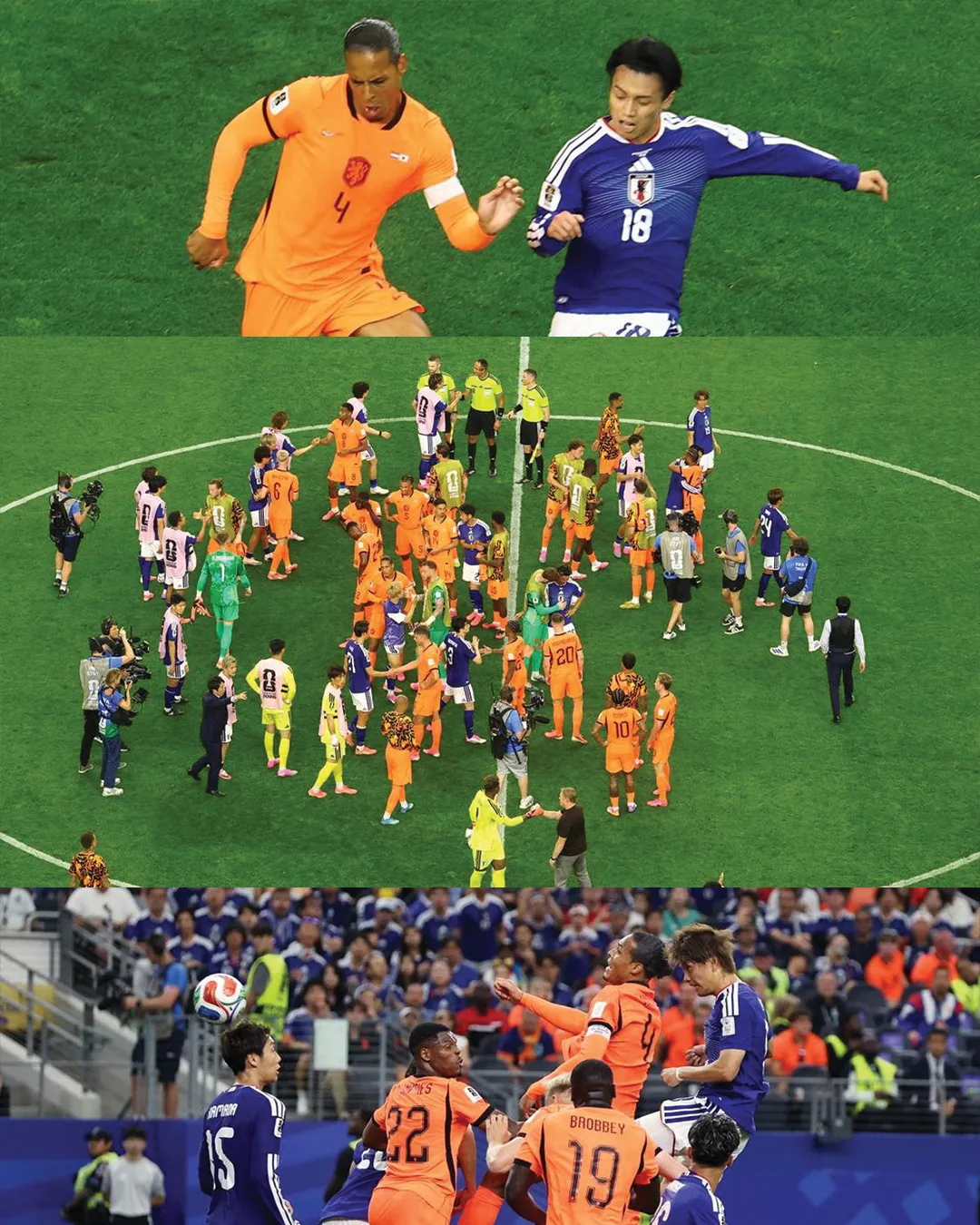

Photo source by CNN (Web)
The international fixture between the Netherlands and Japan treated football enthusiasts to an exceptional tactical chess match on the pitch. This encounter was far more than a quest for group points; it was a head-on collision between two contrasting modern football philosophies. The Netherlands, carrying the formidable reputation of their structural "Oranje Fortress," sought to dictate the tempo through dominant possession and patient, vertical progression. Conversely, Japan deployed a highly compact defensive organization designed to trigger lethal, lightning-fast attacking transitions.
From the opening whistle, an elite level of intensity saturated every zone of the pitch. Spectators were witness to a masterclass in how spaces are exploited and closed within a fraction of a second. The tactical framework of both managers was tested to its absolute limit, forcing players to execute split-second decisions under immense defensive pressure.
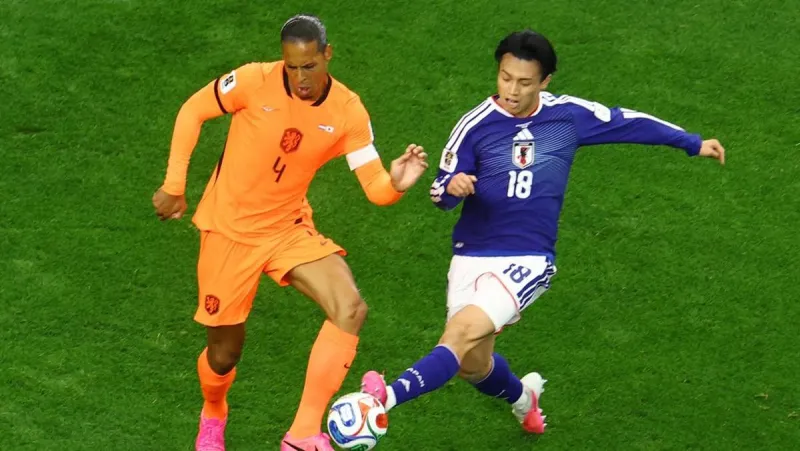
Photo source by CNN (Web)
Tactical Breakdown: Half-by-Half Analysis
The 90-minute battle can be divided into two distinct phases, highlighting how touchline strategic adjustments completely altered the game's momentum:
–– The First Half: Oranje Dominance and Japan's Counter-Stabs
The Netherlands immediately seized the attacking initiative, leveraging their physical presence and rapid ball circulation to advance out of the backline. The Oranje Fortress attempted to stretch Japan's compact midfield by utilizing the full width of the pitch through overlapping fullbacks. This strategy bore fruit when an opening inside the penalty area was converted into the ice-breaking goal. However, Japan remained unfazed. Maintaining exceptional positional discipline, they locked down secondary shooting lanes and exploited minor passing errors to mount rapid counter-attacks, successfully restoring parity before the halftime whistle.
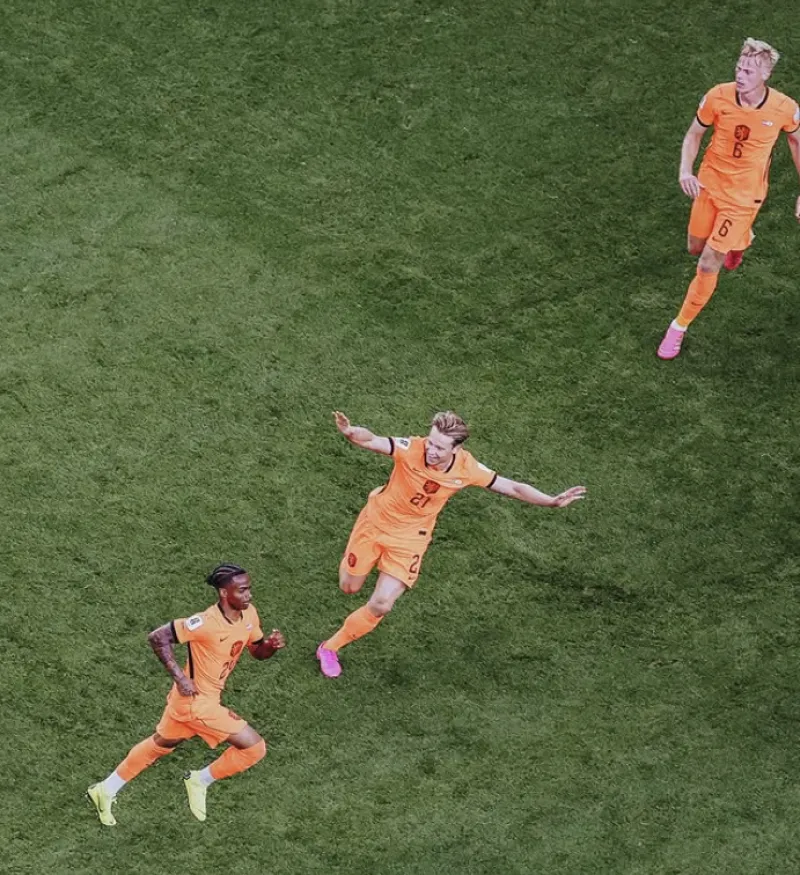
Photo source by OnsOranje (Instagram)
Video source by TVRI News (YouTube)
–– The Second Half: Midfield Authority and Structural Shifting
The second half introduced a highly unpredictable tactical layer. Both sides adjusted their shapes to capture control of the central engine room. The Netherlands introduced a more aggressive profile in midfield to disrupt Japan's short-passing networks, while Japan responded by tightening the vertical distance between their lines and banking on the raw pace of their wingers. Set-piece proficiency restored the lead for the Dutch side, but it was answered almost immediately by a sequence of rapid one-two combinations inside the box by the Japanese frontline. Relentless defensive discipline from both backlines kept the score level through the final whistle.
Full Match Highlights: NED 2 - 2 JPN
For those who missed this high-intensity strategic showcase, here is the chronological breakdown of the match's most critical turning points:
•• Opening Minutes (Oranje Pressure): The Netherlands pinned their opponents back early. The first clear opportunity emerged from a powerful long-range strike that rattled the post, signaling the intent of the Oranje Fortress right from kickoff.
•• First Goal for the Netherlands (1-0): Engineering a fluid sequence down the right flank, a precise, low driven cross found its target for a clinical finish into the bottom left corner, breaking the deadlock.

Photo source by OnsOranje (Instagram)
•• Japan's Equalizer (1-1): Capitalizing on a momentary lapse in the Dutch midfield, Japan reclaimed possession and executed an instant transition. A calculated through-ball sliced open the Oranje defense, finished by a brilliant chipped effort over the advancing keeper.
•• Second Half & Second Goal for the Netherlands (2-1): Emerging from a well-rehearsed corner routine, the aerial dominance of the Dutch backline delivered a powerful downward header into the back of the net, leaving the goalkeeper with no chance.
•• Japan's Second Equalizer (2-2): Refusing to back down, a tactical build-up on the left wing unlocked a short cutback inside the penalty area. The Japanese forward calmly shifted past a defender before unleashing a fierce strike into the roof of the net.
Video source by FolaPlay (YouTube)
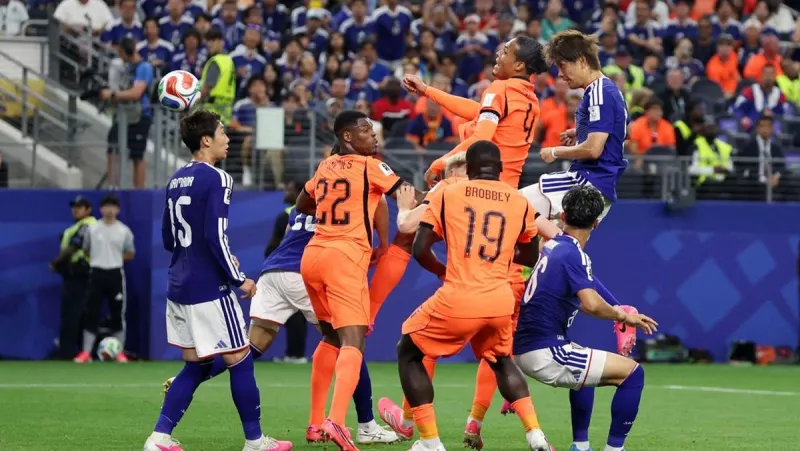
Photo source by CNN (Web)
•• Final Minutes (Crucial Saves): Both teams found golden opportunities during stoppage time. The respective goalkeepers produced stunning, back-to-back saves in one-on-one situations, preserving the hard-fought and equitable 2-2 draw.
"Modern football is no longer dictated by the size of a team's reputation on paper, but by the speed and precision with which it exploits space in a three-second transitional window."
Tactical Equilibrium in the Modern Era
This draw illustrates that structural organization and tactical quality have achieved immense parity at the international tier. Engaging with sports entertainment through this lens of deep analysis offers a premium appreciation for detail—an analytical satisfaction that mirrors the execution found where precision, exact timing, and flawless delivery serve as the ultimate benchmarks.
"A two-two scoreline is not an indictment of defensive frailty, but validation of the offensive brilliance displayed by both teams in picking apart world-class defensive structures."
Video source by FolaPlay (YouTube)
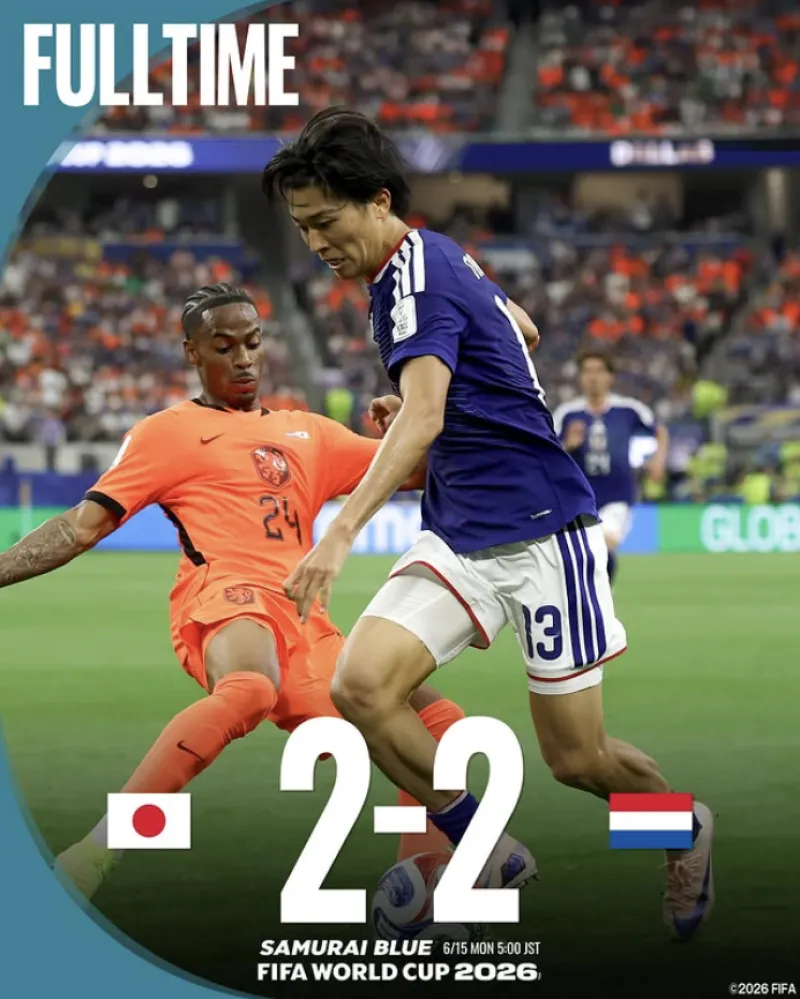
Photo source by Japan Football Association (JFA – Instagram)
WRAP-UP!
This competitive draw offers valuable tactical insights for both technical staffs. The Netherlands proved that their Oranje Fortress remains highly potent in possession but requires sharper concentration against vertical counter-punches. Meanwhile, Japan established that collective positional discipline and clinical transitional pace can neutralize elite European physicality. This strategic standoff underscores that in-game tactical flexibility remains the single most critical factor for survival at the highest level of world football.
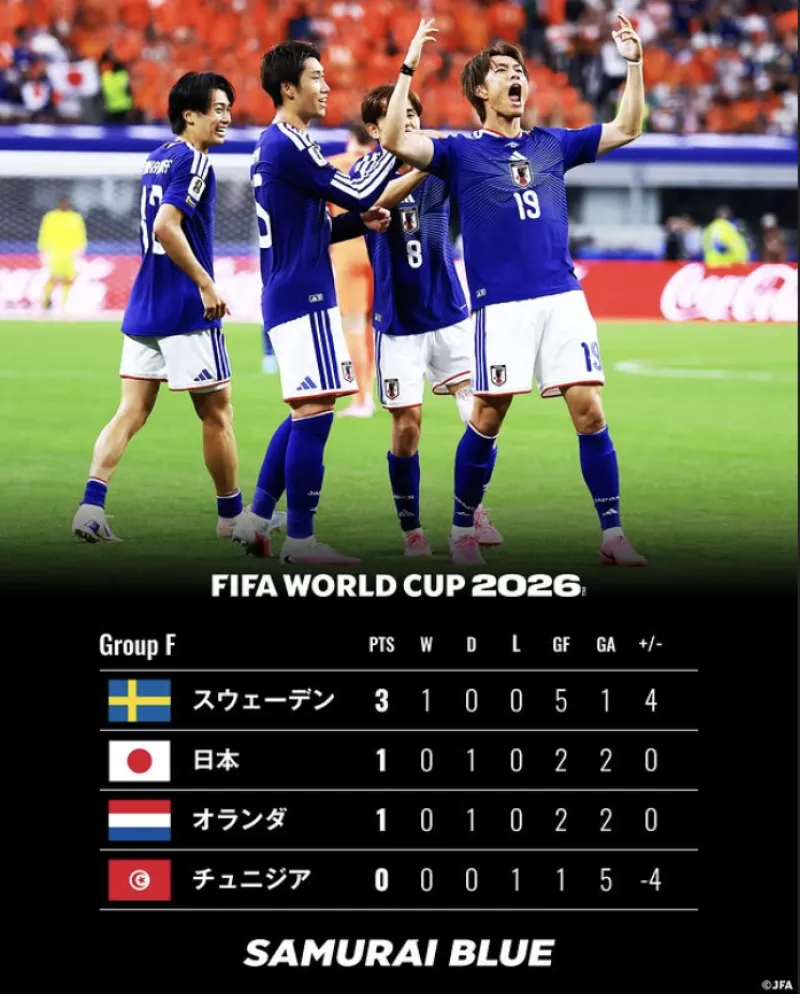
Photo source by Japan Football Association (JFA – Instagram)
Video source by FolaPlay (YouTube)
To elevate your understanding of upcoming match analyses, train your eye to look beyond the player on the ball. Observe how defensive backlines shift their shape the moment possession is surrendered, and how the first wave of a high press is constructed from the frontline to disrupt transitions. Rewatch the replay of Japan's second goal to see exactly how off-the-ball movement manipulated the central defenders, creating the vacant shooting lane inside the box.
Looking to feature your brand and business through Alinear Indonesia’s Smart Publication & Smart Activation? Share your experience and consult with us today. Click here!
![Smart Publication+ 3.0: Build Authority. Drive Growth. [Technical Specification]](https://www.alinear.id/assets_web/images/qr-codes/bd48cb0acb2d9586570edb8a7303cee1.jpg)