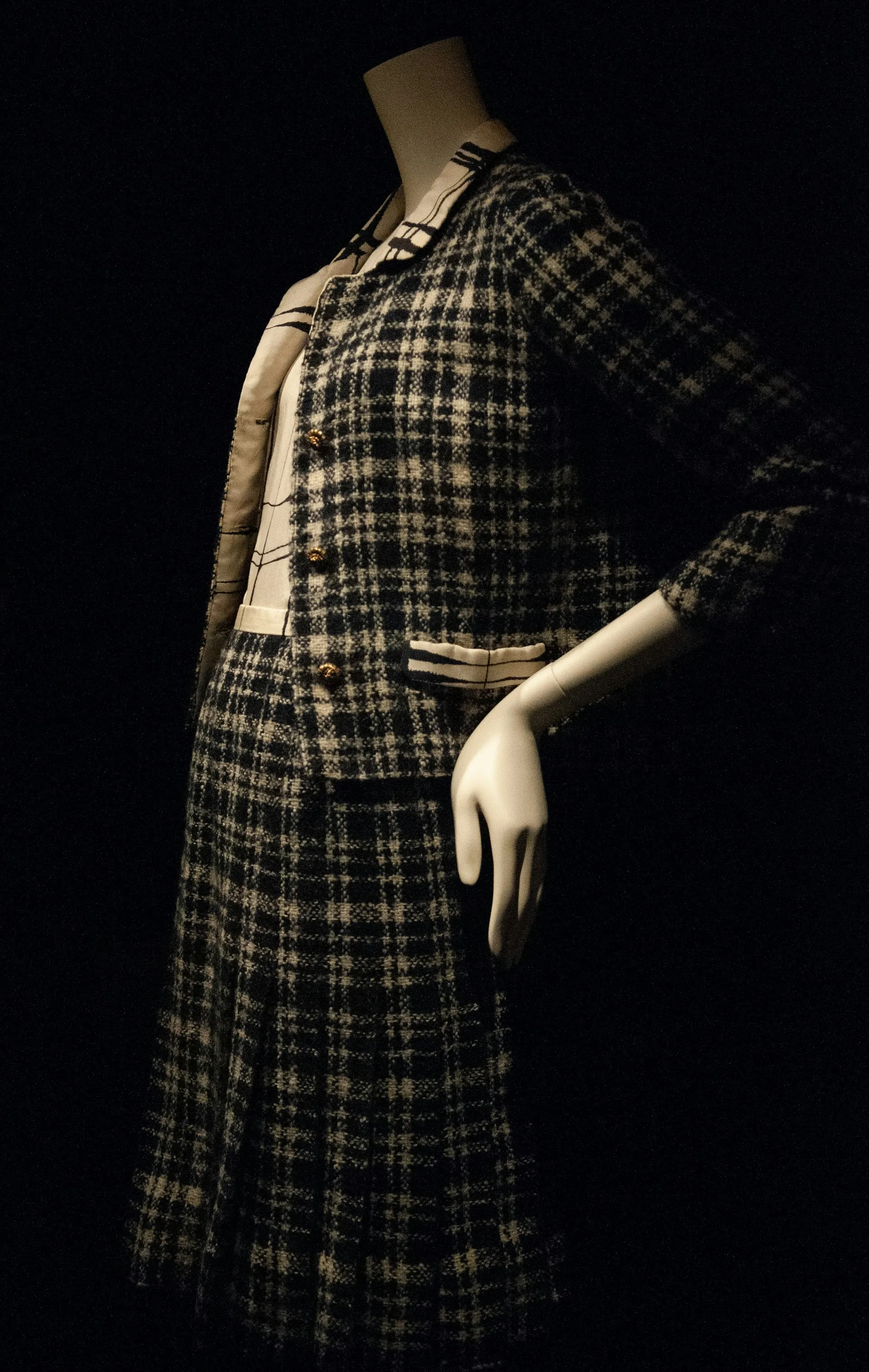

Photo by Yves Monrique on Unsplash
In the contemporary fashion ecosystem, archival fashion is no longer viewed merely as worn clothing from the past, but as a high-value cultural asset and future investment. High-end vintage apparel holds design history, rare craftsmanship, and human civilization narratives embedded within every stitch.
However, maintaining the integrity of natural fibers against time's degradation requires a scientific approach and extreme precision. The art of textile conservation acts as a bridge between past and future, ensuring that garment masterpieces endure across generations.
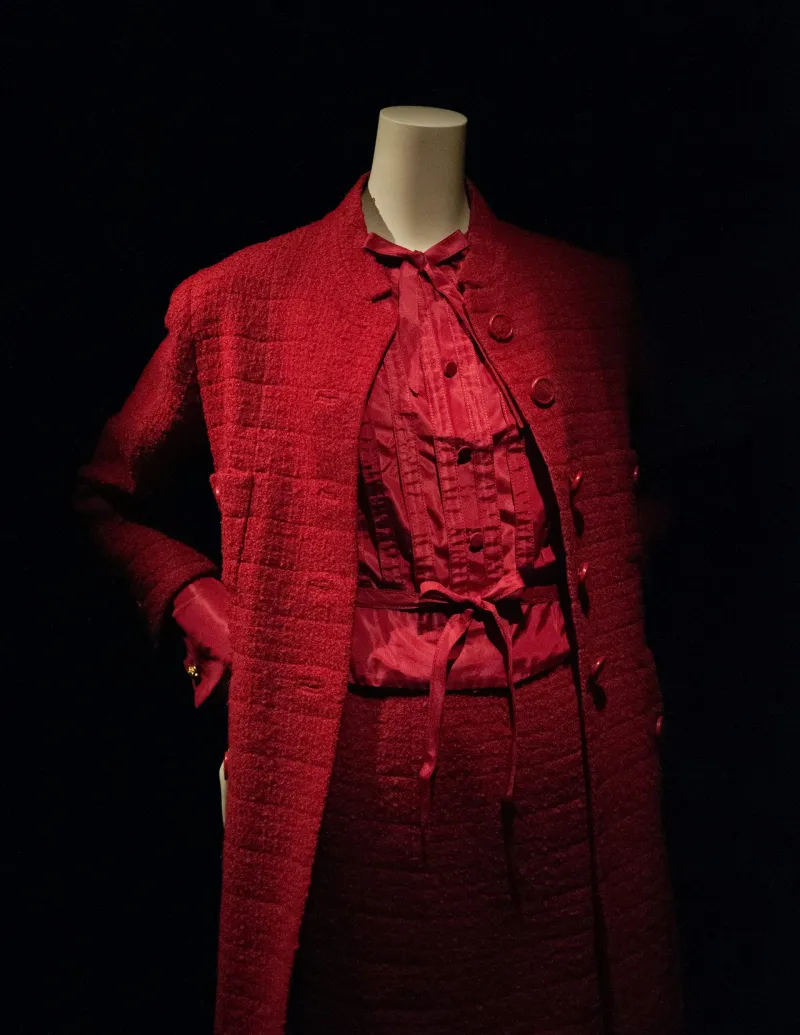
Photo by Yves Monrique on Unsplash
"An archival garment cared for with science and precision is not merely old fabric, but a time capsule of civilizational history."
Understanding material anatomy is the primary foundation in caring for archival garments. Each natural fiber exhibits unique vulnerabilities to external environments:
•• Wool: Rich in keratin proteins, wool is highly susceptible to textile moth infestations and extreme humidity shifts that trigger structural protein shrinkage.
•• Silk: Possessing delicate animal protein structures with high absorbency, silk easily suffers from shattering when continuously exposed to ultraviolet light or acidic substances.
•• Linen: Made from plant cellulose fibers, linen boasts high tensile strength yet breaks easily along permanent folds if stored in dry conditions without proper air circulation.
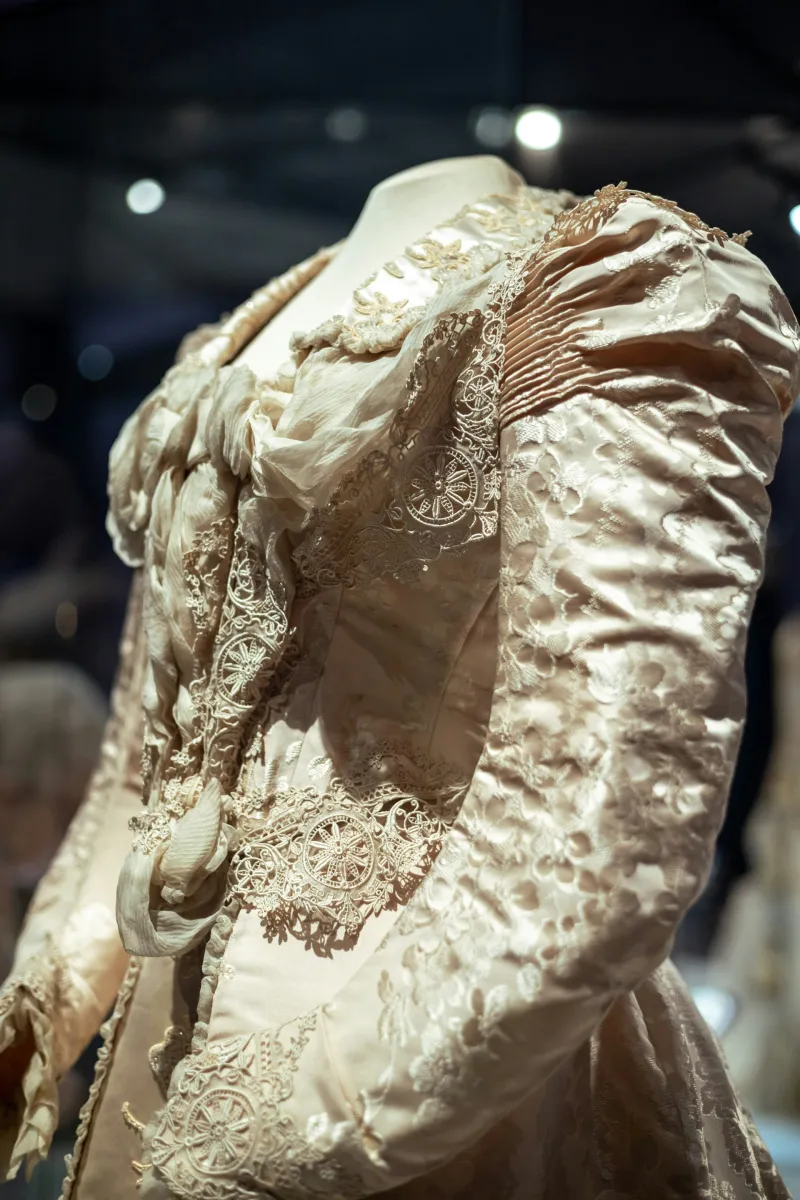
Photo by Ksenia Obukhova on Unsplash
"Natural fiber preservation is the highest form of appreciation for past craftsmanship."
Conventional dry cleaning methods utilizing harsh chemical solvents frequently damage historical organic fibers in the long run. Modern conservation industries have pivoted toward micro-cleaning techniques using fiber-safe natural solvents.
This process involves low-pressure vacuum cleaning using HEPA filters to lift micro-dust particles, followed by controlled steam treatments that neutralize odors without stripping the natural oils of authentic fabric fibers.
Humidity-Controlled Storage
The greatest enemies of archival garments are not just dust, but relative humidity (RH) fluctuations and room temperature. Museum conservation standards recommend storage within a 45% to 55% humidity range with stable temperatures to prevent mold growth and silk fiber hydrolysis.
The use of acid-free archival boxes lined with specialized absorbent tissue paper ensures garments remain protected from oxidation chemical reactions during long-term storage.
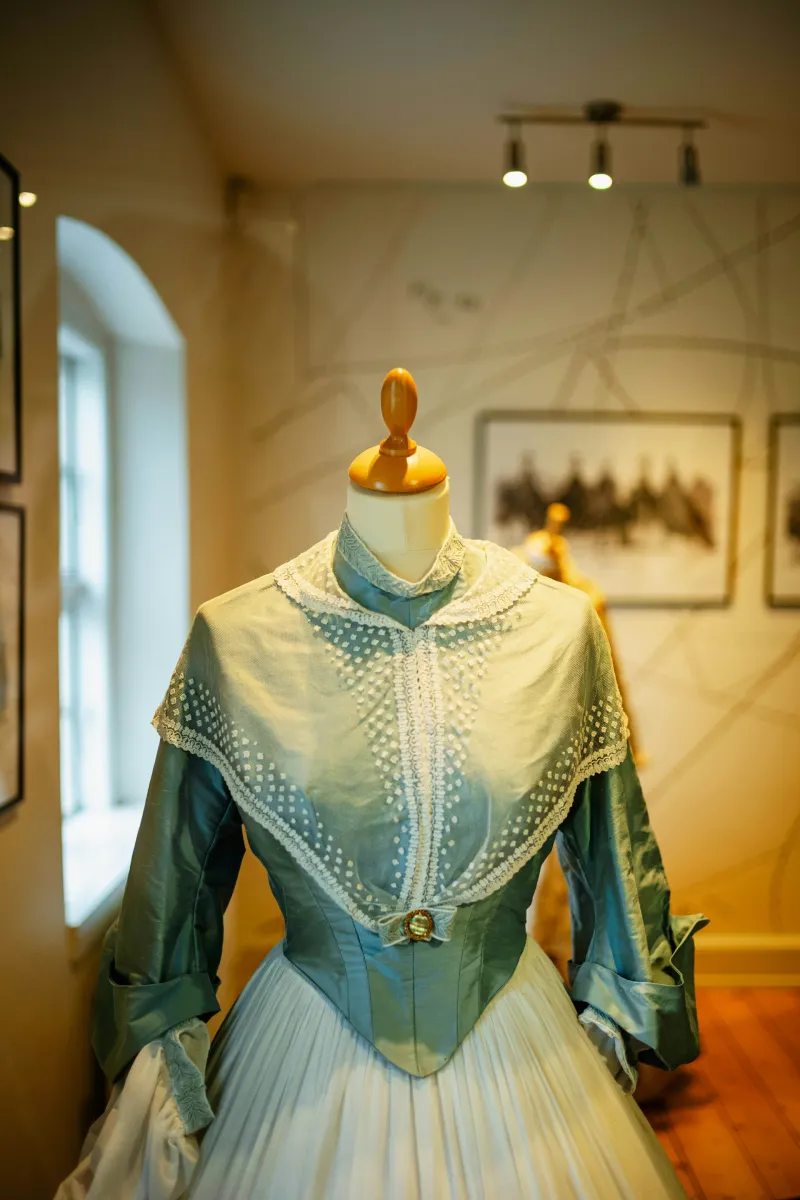
Photo by tommao wang on Unsplash
Archival garment care represents a tangible manifestation of circular economy principles within the fashion sector, where product life cycles are extended to the maximum through scientific repair and restoration. By meticulously caring for historical garments, we not only preserve a cultural artifact but also reduce the environmental footprint of the fast fashion industry.
"The lifespan of a fashion masterpiece is determined by the environmental control of the space where it rests."
WRAP-UP!
The art of textile conservation via non-chemical micro-cleaning and humidity-controlled storage is the absolute key to maintaining the structural integrity and investment value of natural archival garments. Evaluate the physical condition of your vintage collection, avoid conventional wire hangers, and invest in acid-free archival box systems alongside room humidity regulators.
Discover how SR Digital - Alinear Indonesia’s Smart Publication & Smart Activation combine AI-driven intelligence with high-impact human storytelling to amplify your business visibility. Share your vision and consult with us today. Ready to elevate your brand in the era of AI? Click here!
![Smart Publication+ 3.0: Build Authority. Drive Growth. [Technical Specification]](https://www.alinear.id/assets_web/images/qr-codes/bd48cb0acb2d9586570edb8a7303cee1.jpg)