

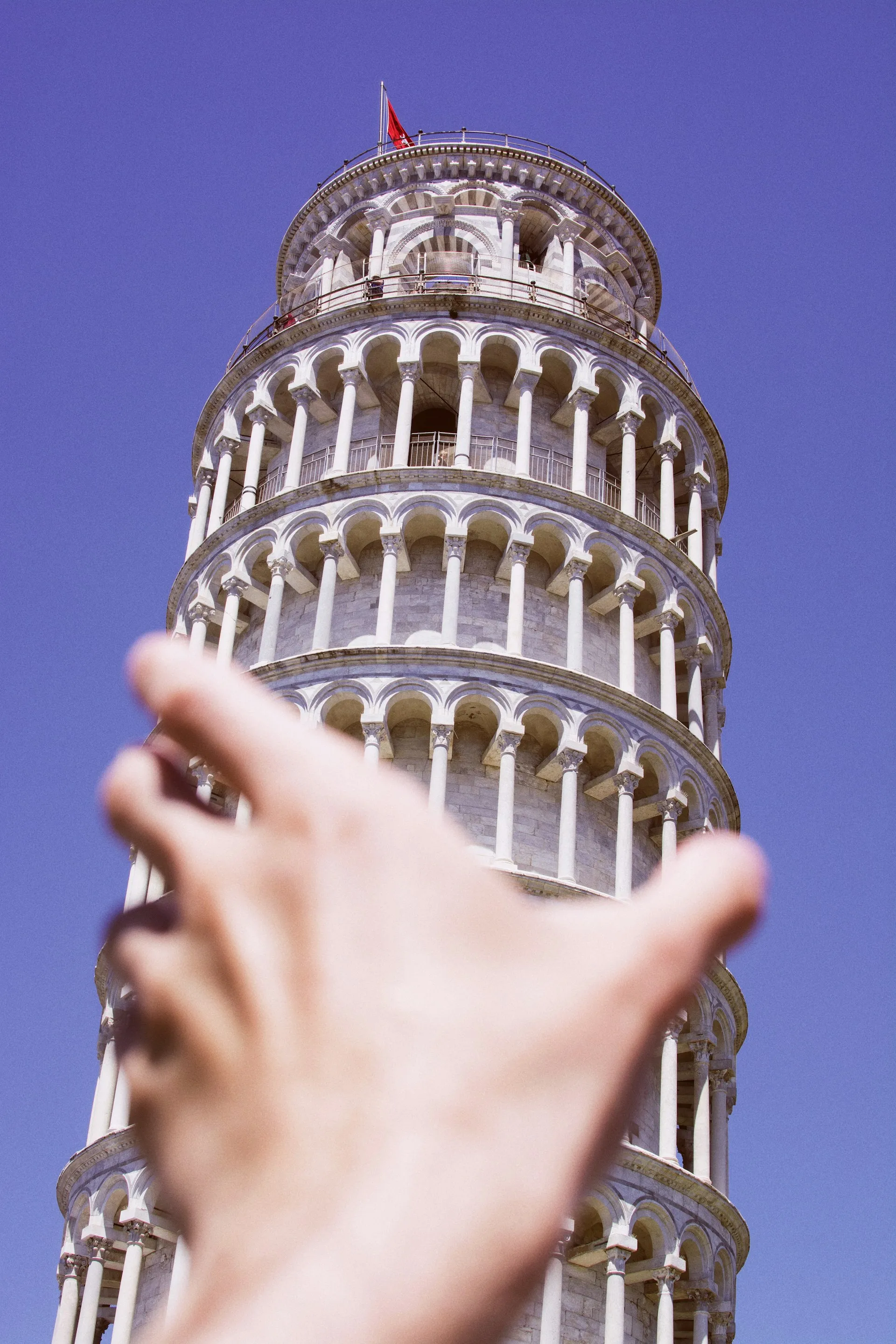

Photo by Dmytro Bayer on Unsplash
Within the parameters of structural engineering and architectural execution, absolute precision is routinely treated as the ultimate metric of success. Frameworks are calculated to stand perfectly perpendicular, resisting gravitational loads and challenging the passage of time through flawless structural symmetry. Yet, historical records preserve a remarkable structural anomaly situated within a celebrated heritage plaza: the Leaning Tower of Pisa. This freestanding campanile was never entirely straight. Due to the shifting dynamics of the alluvial silt and clay layers underneath its foundation, the masonry structure began its signature tilt before workers could even complete the third tier.
In the contemporary real estate landscape, where digital algorithms frequently generate structures that feel uniform and depleted of distinct character, this belfry serves as a profound point of reflection for modern designers. It stands as clear physical evidence that a foundational flaw, when protected and curated with exceptional engineering foresight, can mature into a highly sophisticated expression of timeless luxury.
The Convergence of Medieval Craft and Silent Engineering
The global appeal of this monument has persisted across generations not merely due to the novelty of its lean, but because of the meticulous balance achieved between period craftsmanship and advanced conservation practices.
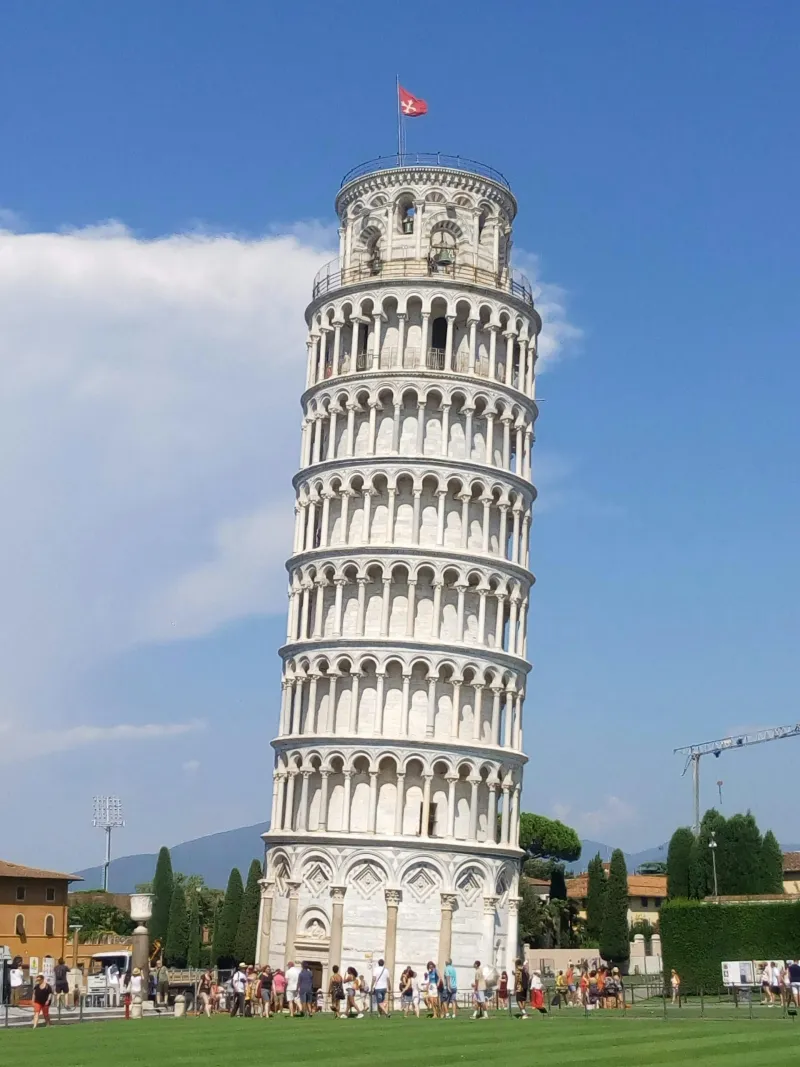
Photo by JOE Planas on Unsplash
The primary attributes that elevate this structure within the field of spatial design include:
•• Tactile Romanesque Articulation and Dynamic Lighting Shifts
The exterior facade is articulated by tiers of white and grey inlaid marble, forming elegant, continuous wrapping colonnades. The intricate detailing across the column capitals reflects the extraordinary skill sets of medieval stone artisans. Accidentally, the unique inclination of the building creates an evolving, high-contrast shadow gradient (chiaroscuro) that shifts across the stone faces in accordance with the sun's trajectory. This provides a dynamic visual quality impossible to replicate on a standard perpendicular surface.
•• Structural Stabilization Through Invisible Architecture
The physical tower standing today is the beneficiary of one of the most sophisticated stabilization initiatives in modern engineering history. When the structural lean reached a critical threshold, preservation mandates rejected any attempt to completely straighten the monument, recognizing that doing so would erase its historical identity. Instead, engineers executed a highly controlled soil extraction method, removing silt from the high side of the foundation to pull the tower back to a stable angle. This represents a definitive application of invisible architecture—advanced technological intervention operating entirely beneath the surface without altering the historical envelope above.
•• The Spatial Integration of Western Wabi-Sabi Principles
There is a profound cognitive reason why this multi-thousand-ton stone assembly continues to resonate with global observers. The tower serves as a tangible manifestation of wabi-sabi philosophy—the conscious appreciation of beauty within weathered surfaces, deep history, and structural deviation. In an era where modern professionals are subject to continuous expectations of manufactured digital perfection, interacting with an ancient monument that leans yet endures tectonic cycles offers an evocative sense of stability and reassurance.
Implications for Modern Architecture: Calibrating the Future Residential and Civic Canvas
The long-term conservation of this historic campanile provides vital structural lessons for the evolution of modern high-end real estate layouts. Contemporary design disciplines are increasingly shifting away from uniform, hyper-polished surfaces in favor of character-driven design. Architects are looking toward earth-derived materials that celebrate natural weathering patterns, reclaimed hardwoods showcasing organic fractures, and lighting arrays configured around intuitive shadows.
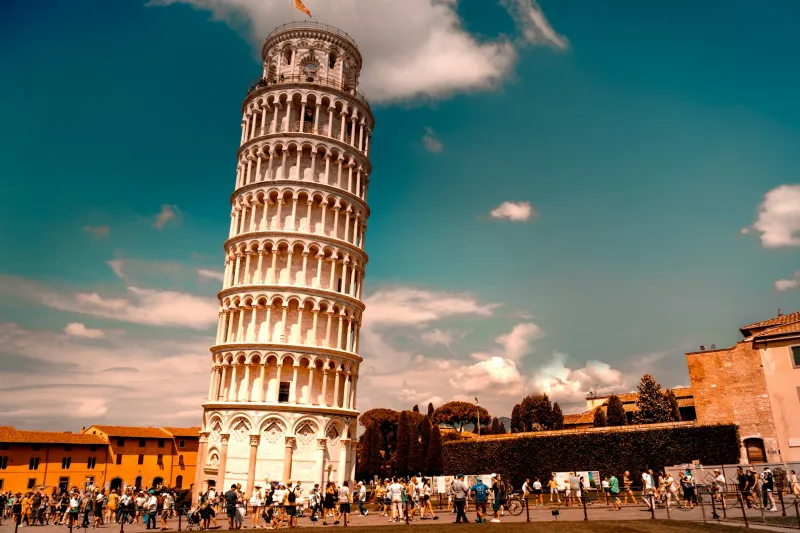
Photo by Heidi Kaden on Unsplash
This perspective reconfigures traditional build models that view material variations as manufacturing errors. The premium residential industry now understands these organic variations as essential sensory filters capable of breaking the monotony of an over-industrialized environment. The capacity of the historic structure to maintain equilibrium despite its foundational shifting proves that structural longevity does not require absolute rigidity; rather, it demands that a space remain capable of adapting to its natural surroundings [Architecture & Design: Luxury Travel].
"A structural anomaly does not inherently equate to design failure. With rigorous curation and historical deference, imperfection can mature into the ultimate expression of timeless luxury."
Discovering True Luxury Within Authentic Character
The metric of luxury within contemporary architecture has transitioned away from the uniform outputs of mass production toward the depth of historical narrative and authentic material identity.
"The true authority of architecture does not emerge from rigid symmetry, but from the capacity of a structure to stand elegantly while adapting to the realities of its natural foundation."

Photo by Jakob Owens on Unsplash
WRAP-UP!
The enduring legacy of the Leaning Tower of Pisa within global design culture emphasizes that the significance of a spatial work does not rely on its adherence to strict geometric perfection. By marrying historical Romanesque column treatments with non-invasive subterranean engineering and a committed philosophy of preservation, this monument demonstrates that structural deviation can be elevated into world-class art. This inclusive design philosophy offers a more organic, human-centric approach for the future development of high-end living spaces.
To integrate these design philosophies into your active projects, dedicate a session to reviewing your current interior or architectural portfolios. Pinpoint specific material features or layout zones that might standardly be modified out due to minor variations—such as raw hand-troweled plaster walls with micro-fissures, stone slabs with unconventional veining, or architectural junctions with limited natural illumination. Instead of masking these sections behind synthetic finishes, apply the principles of invisible architecture and sensory curation: introduce focused accent lighting to highlight the rich texture of those surfaces, or counter them with smooth unpolished basalt to create an intentional chiaroscuro point inside the room. This shift reconfigures a potential structural variation into an authentic focal point of premium character.
Looking to feature your brand and business through Alinear Indonesia’s Smart Publication & Smart Activation? Share your experience and consult with us today. Click here!



![Alinear Indonesia [Brand/Business Registration] Smart Publication & Smart Activation](https://www.alinear.id/assets_web/images/qr-codes/3e23e7dab43d2e72854ba48a3a09cf75.jpg)