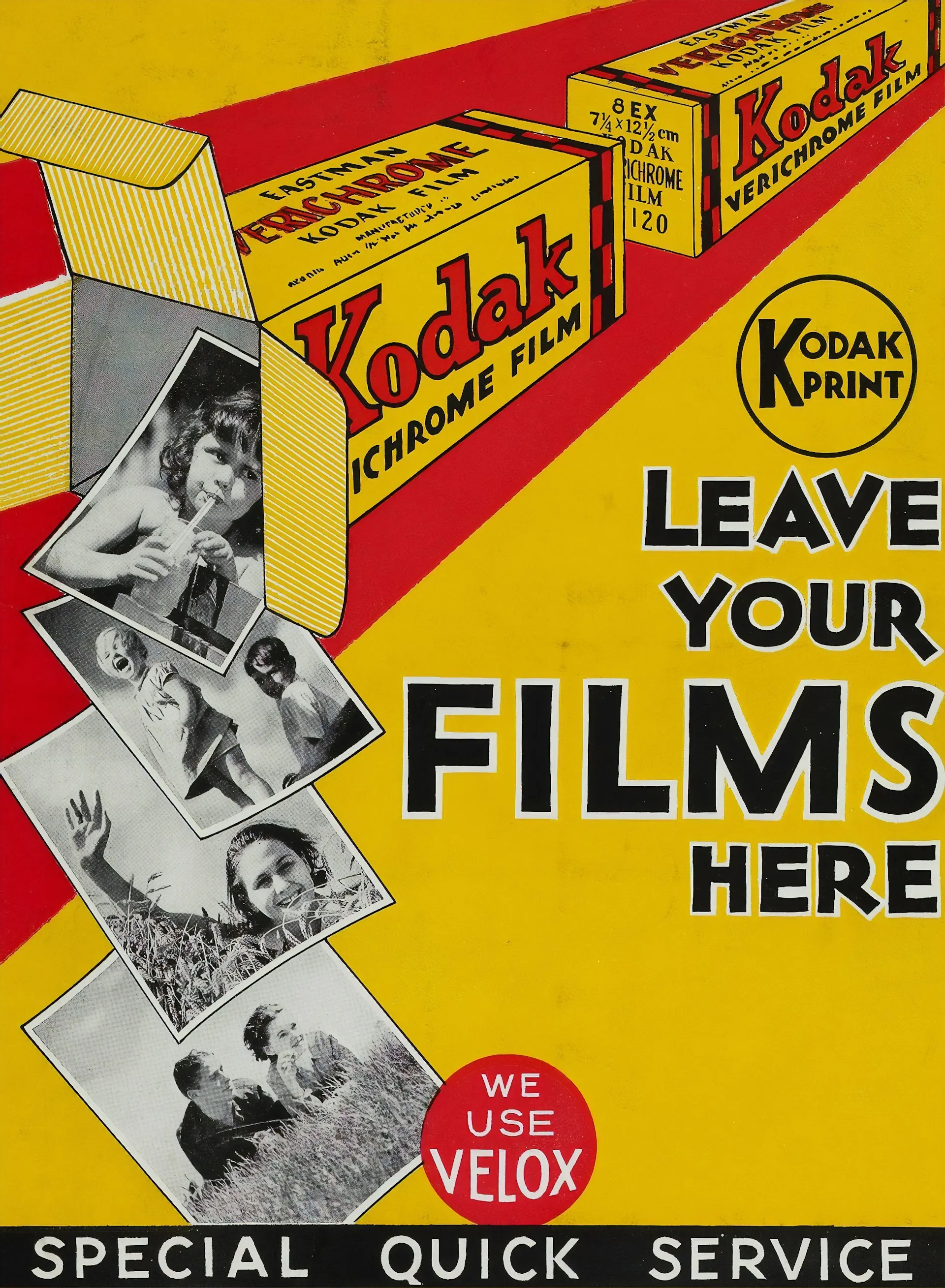

Photo by Museums Victoria on Unsplash
The contemporary home entertainment ecosystem operates at an exhausting pace. Every week, mainstream streaming platforms flood the digital space with high-budget original content assembled using strict algorithmic guidelines designed for broad appeal. Yet, amidst this wave of instant entertainment, an intriguing cultural paradox is taking shape among younger viewers. A demographic raised on touchscreens and immediate digital feedback is shifting attention in the opposite direction: toward boutique streaming platforms that dedicate their digital storage to the restoration of vintage films, legendary independent cinema, and historical masterpieces (cine-restoration).
This development is more than a superficial romanticization of the past or a passing retro design trend. The transition reflects a deeper shift in the visual and intellectual standards of modern audiences. Even as contemporary devices gain the capacity to render billions of colors at extreme contrast levels, a new generation chooses to utilize these high-specification screens to experience the enhanced textures of digitally restored analog celluloid, searching for an authenticity of expression that has grown scarce in mainstream productions.
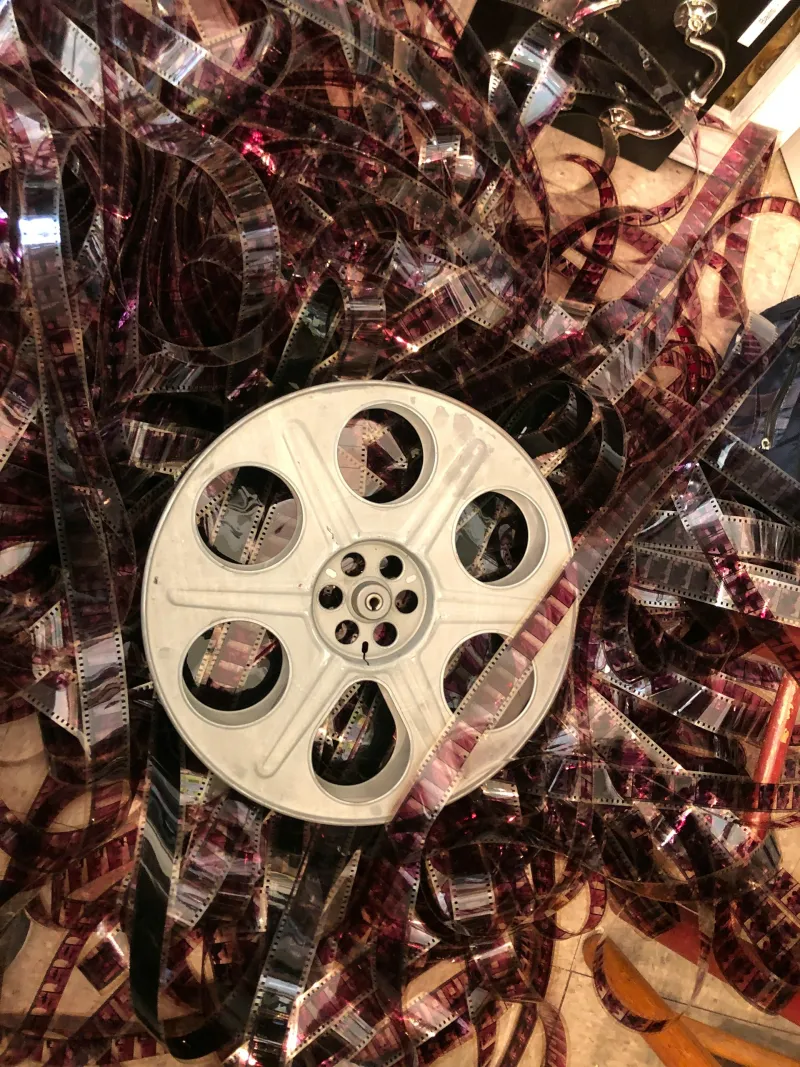
Photo by Jill Marv on Unsplash
The Magic of 4K HDR: Revitalizing the Soul of Celluloid for the Digital Screen
The primary bridge connecting contemporary audiences to historical cinema is the evolution of visual restoration technology. For decades, classic cinema was frequently associated with blurry images, distracting emulsion scratches, and faded color tones resulting from the physical deterioration of analog film prints. These technical barriers often prevented modern viewers from fully connecting with the narrative. The introduction of digital scan restoration to ultra-high-definition 4K formats with High Dynamic Range (HDR) support has completely transformed this experience.
Modern restoration functions much like precise digital archaeology. Each individual frame of an analog film print is rescanned at ultra-high resolutions, clearing decades of dust and damage without erasing the essential texture of the original film grain. Applying HDR technology restores the deep black-and-white contrast ratios and original color depth intended by historical directors and cinematographers. This creates an entirely refreshed sensory experience: black-and-white films from over half a century ago display precise shadow gradations, while color films from the golden eras of world cinema reveal rich, clean, and organic color palettes that feel intensely human.
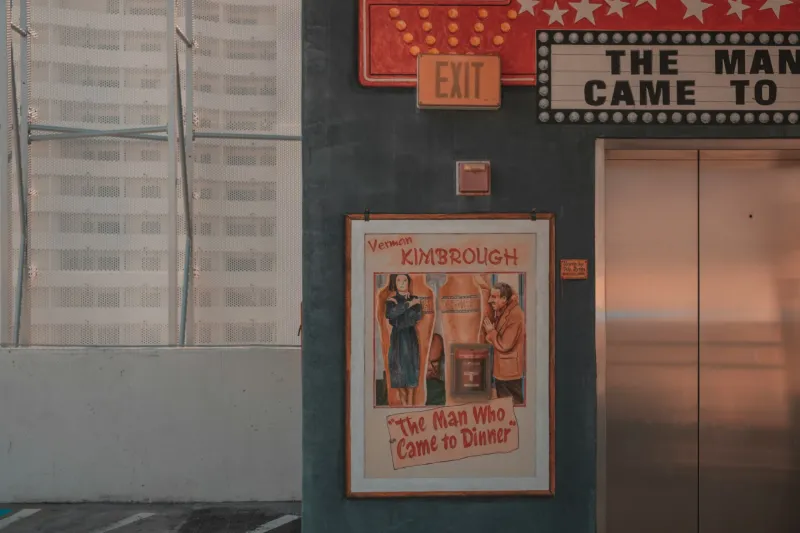
Photo by NATHAN MULLET on Unsplash
Blockbuster Fatigue: Rejecting Manufactured Cinematic Formulas
The appeal of these curated streaming spaces is also driven by a psychological response to acute fatigue surrounding modern blockbuster formulas. Many contemporary mainstream films are viewed as overly dependent on uniform computer-generated imagery (CGI), predictable plot points, and studio interference that privileges long-term franchise potential over director-led artistic freedom.
This environment creates a repetitive consumption cycle where commercial films begin to look similar, losing their distinct creative identity. As a passive cultural alternative, younger audiences are migrating toward classic and independent cinema. Within these curated archives, they encounter works that experiment boldly with narrative structure, analyze the moral ambiguities of human nature, and offer contemplative pacing. These historical works do not treat the audience as passive consumers requiring constant visual stimulation; instead, they treat them as intellectual participants invited to interpret meaning within the quiet moments of a scene.
Human Curation: Finding a Sanctuary in the Wilderness of Mass Content
A core strength of the cine-restoration streaming ecosystem is its reliance on strict human curation. In contrast to mass-market platforms that dictate user choices through automated recommendation algorithms—which frequently lock viewers into repetitive content loops—specialty classic platforms operate like digital art museums or film festivals managed by preservation experts.
This methodology provides a reliable space for meaningful exploration. Viewers avoid spending valuable time sorting through thousands of low-tier titles to locate a singular work of value. Instead, archival libraries are structured around historical movements, specific director retrospectives, or distinct international aesthetic traditions. In an era where corporate digital platforms prioritize content volume to secure market share, the existence of cyber environments prioritizing artistic curation functions as a sanctuary for classic cinema preservation [The Death of Cinema? Festival vs OTT]. This dynamic demonstrates that digital distribution does not have to compromise cinematic value; rather, it serves as a preservation tool introducing masterpiece cinema to new audiences ready to maintain this cultural heritage.
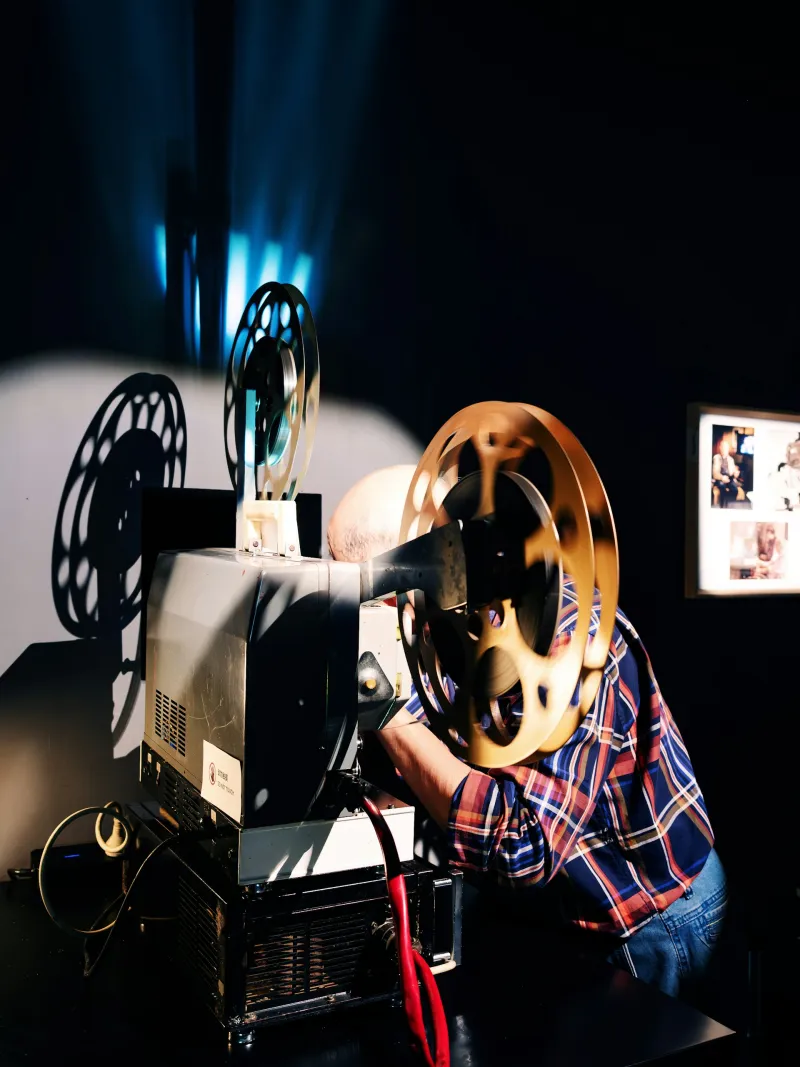
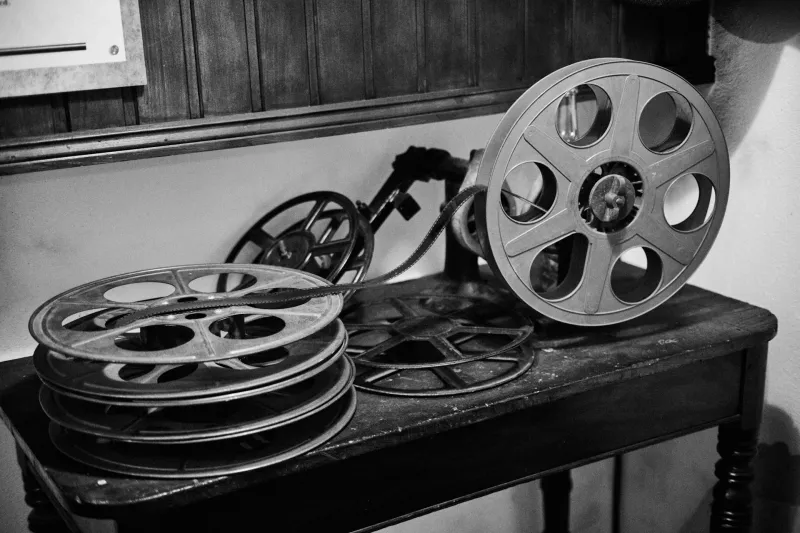
Photo by Declan Sun on Unsplash
"Advanced 4K restoration does not attempt to modernize classic films into cold digital files; it clears away the dust of time so a new generation can observe the soul of analog celluloid in its truest clarity."
The New Landscape of Appreciation: Charting the Direction of Media Consumption
Ultimately, the rising popularity of 4K classic film streaming confirms that the future of media consumption will not be entirely dominated by standardized mass entertainment. The emergence of a dedicated audience segment that values film preservation and independent artistic integrity points to a demand for high-quality viewing experiences anchored in historical substance.
For the creative industries and the global film community, this movement brings a wave of optimism. The physical and digital preservation of world cinema archives is proving to be a highly valued investment in the eyes of contemporary consumers. Through high-specification digital screens, legendary works from past eras receive a second life, shaping the aesthetic preferences of a new generation and confirming that cinema crafted with genuine artistic honesty retains its relevance, regardless of how far technology advances.
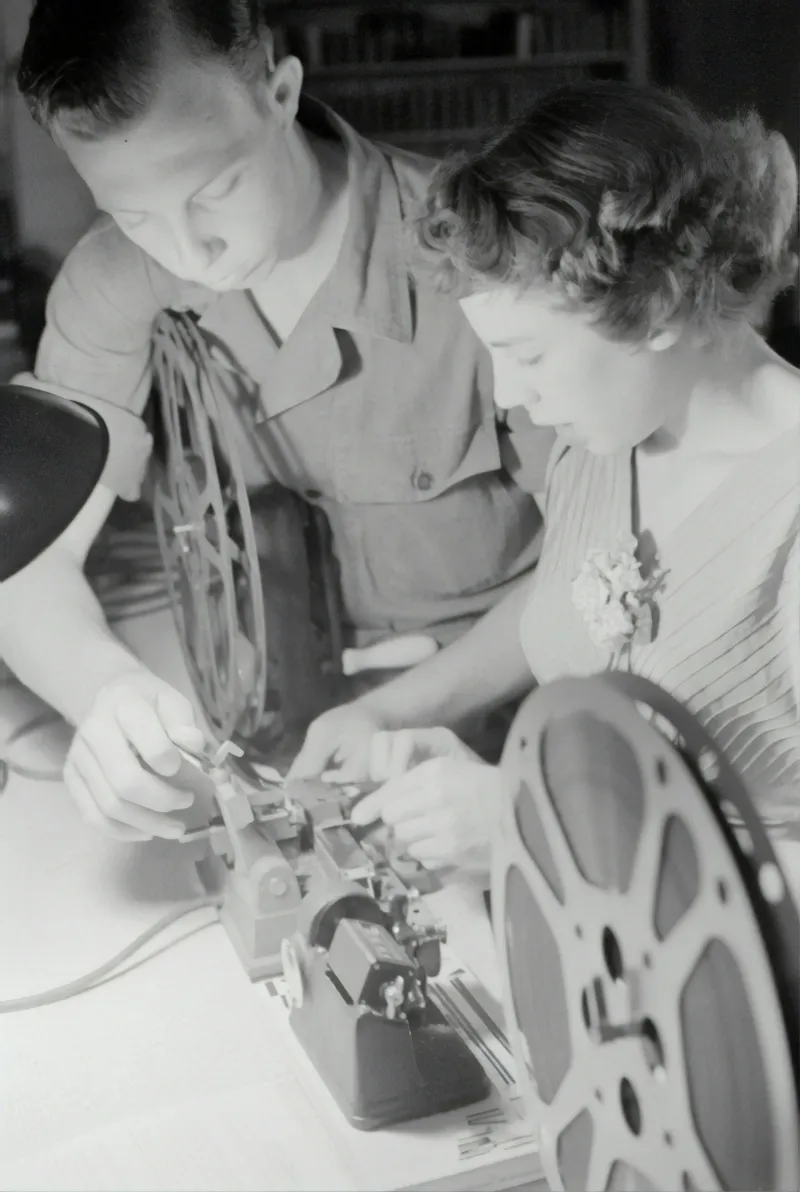
Photo by Austrian National Library on Unsplash
"Amidst a wilderness of modern content manufactured by mathematical algorithms, turning to curated classic cinema is a sophisticated way for viewers to preserve their depth of thought and artistic focus."
WRAP-UP!
The expansion of the cine-restoration trend among modern viewers indicates that appreciation for high artistic standards and narrative depth remains constant across generations. The combination of 4K HDR visual presentation with human-centric platform curation offers an effective alternative to predictable, formulaic modern media. This phenomenon reinforces the vital role of digital archiving as a resilient cultural bridge connecting past cinematic achievements with contemporary and future audiences.
Explore a curated streaming archive this week; dedicate an evening to experiencing a classic film restored in 4K HDR to observe how historical visual textures can elevate your appreciation for cinema beyond conventional commercial media.
Looking to feature your brand and business through Alinear Indonesia’s Smart Publication & Smart Activation? Share your experience and consult with us today. Click here!
![Smart Publication+ 3.0: Build Authority. Drive Growth. [Technical Specification]](https://www.alinear.id/assets_web/images/qr-codes/bd48cb0acb2d9586570edb8a7303cee1.jpg)