



Photo by Kris Len Lu on Unsplash
Creating meaningful afternoon play moments inside the home does not always require costly gear or complicated electronic toys. Amidst modern family routines often dominated by digital screens, a sheet of drawing paper, colored markers, and small items already found around the living room are enough to build a mini adventure that sparks curiosity. Setting up a simple treasure map game bridges active physical movement with cognitive stimulation that unfolds naturally without feeling like a formal lesson.
Drawing a simple living room floor plan on paper and hiding small items in designated spots invites children to translate two-dimensional symbols into a real three-dimensional space. Reading directions, matching visual clues with the position of a sofa or table, and solving small riddles nurtures spatial logic alongside independent problem-solving with genuine enthusiasm.
"A simple living room floor plan can turn an ordinary afternoon at home into an exciting spatial logic adventure."
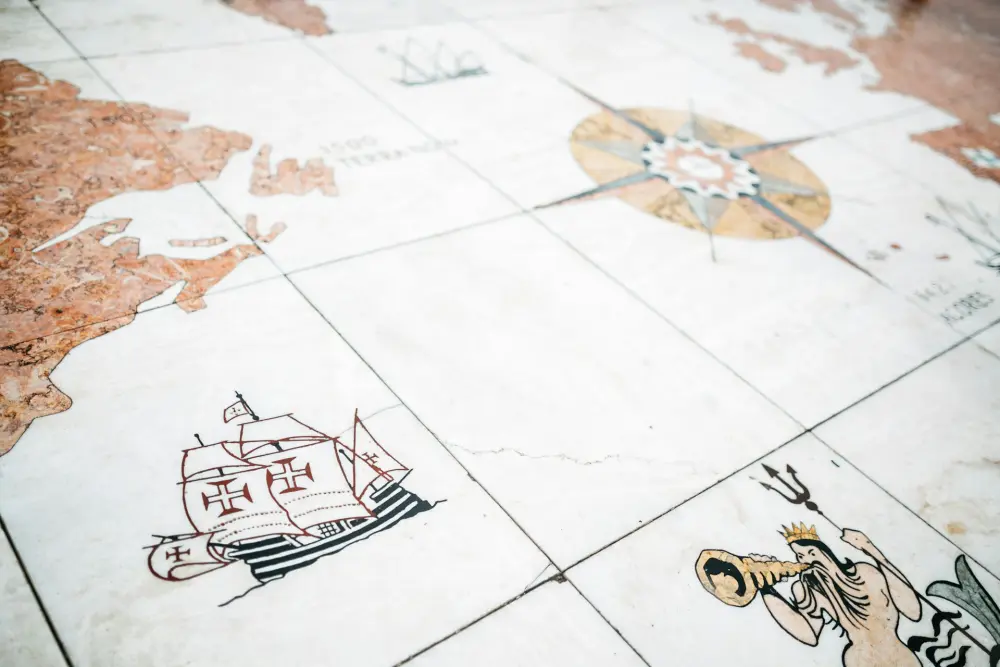
Photo by Bruno Martins on Unsplash
What Makes a Living Room Treasure Map Game So Beneficial for Children?
The core advantage of a homemade treasure map game lies in its ability to train mental mapping and spatial awareness early on. When a child holds a map drawn by a parent, they begin grasping concepts of proportion, relative positions such as left, right, front, and back, and how illustrated icons on paper correspond to real furniture before them.
This mindful parenting approach—uniting light physical activity with problem-solving—also strengthens attention span and persistence. Every clue successfully decoded provides a natural boost of confidence before the child steps forward to search for the next hiding spot.
How Do Children Learn Direction Reading and Visual Matching Naturally?
Children are invited to read directions, match visual clues with real corners of the room, and solve small riddles with full enthusiasm. The moment a child's gaze shifts from a sketched sofa icon on paper to the actual sofa in the living room represents a rich cognitive step.
Game dynamics progress step by step as each clue is uncovered. Early on, a child may rotate the paper map to align their body's orientation with the room's layout—an essential foundational exercise in navigation. Once they spot where a red X sits near a coffee table leg or behind a cushion, they experience a thrill of discovery that fuels high enthusiasm and deepens warm interaction between parent and child.
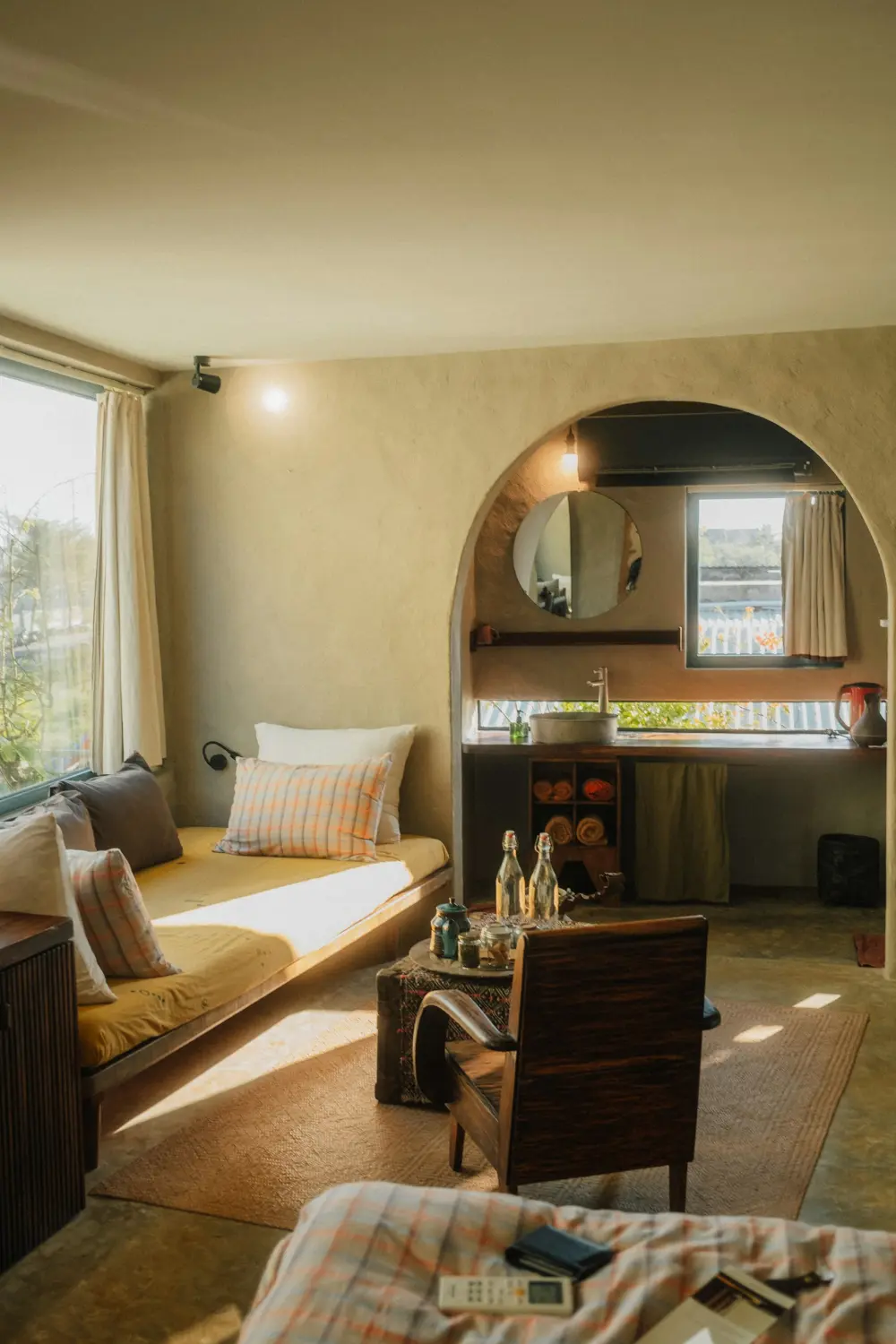
Photo by Vincent Yap on Unsplash
"Matching symbols on paper with real room corners helps children read directions with genuine enthusiasm."
Setting up this game takes roughly ten minutes using plain paper, markers or colored pencils, and three to five small items such as favorite stickers, sliced fruit in a small bowl, or miniature figurines. Sketch the basic room outline along with key landmarks—the entrance door, sofa, coffee table, rug, and bookshelf—using clear symbols a child easily recognizes.
From a family experience standpoint, the activity adapts effortlessly to different age groups—use bright, clear picture icons for preschoolers, while elementary-aged children can enjoy a simple compass rose or short rhyming riddles at each stop along the trail.
How to Build a Practical Treasure Map Game at Home Step by Step?
Launching a treasure map game in the living room works best with a clear progression so children stay energized without feeling overwhelmed. Start by sketching a top-down bird's-eye floor plan of the living room, then invite your child to guess what each drawing represents before the hunt begins so symbol meanings are shared from the start.
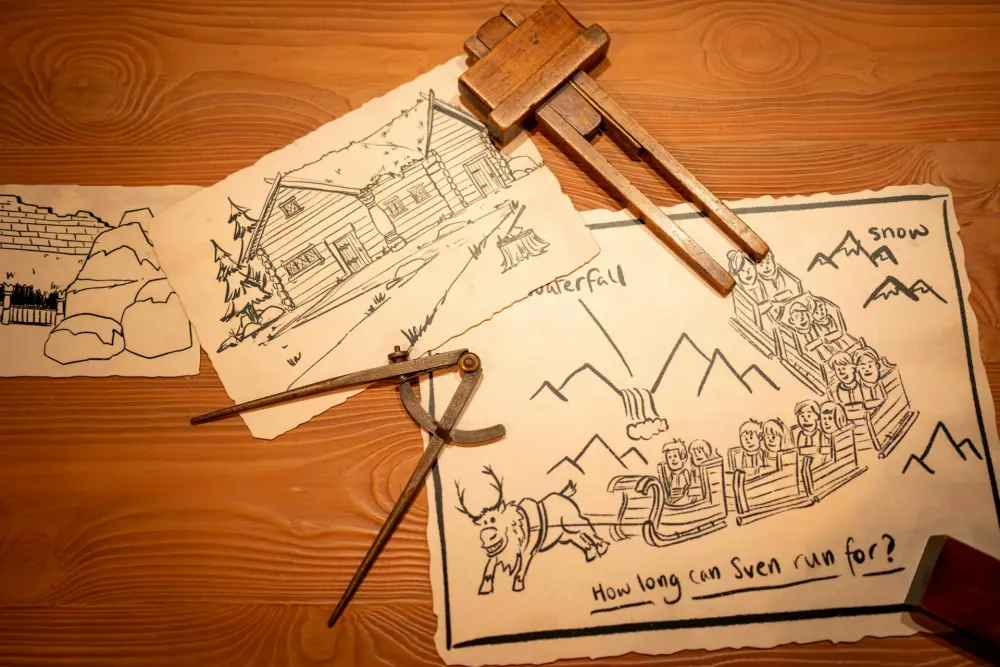
Photo by Donald Wu on Unsplash
Hide three sequential clues in safe, child-accessible spots where each station leads toward the next until reaching the main treasure spot. Once every item is found, swap roles by letting your child draw their own map and hide objects for you to find—a twist that reinforces spatial understanding while sparking storytelling creativity.
Ultimately, the fun of creating a simple treasure map in the living room with your child affirms that the warmest family spaces emerge when simple imagination turns an ordinary room corner into an arena of laughter and discovery.
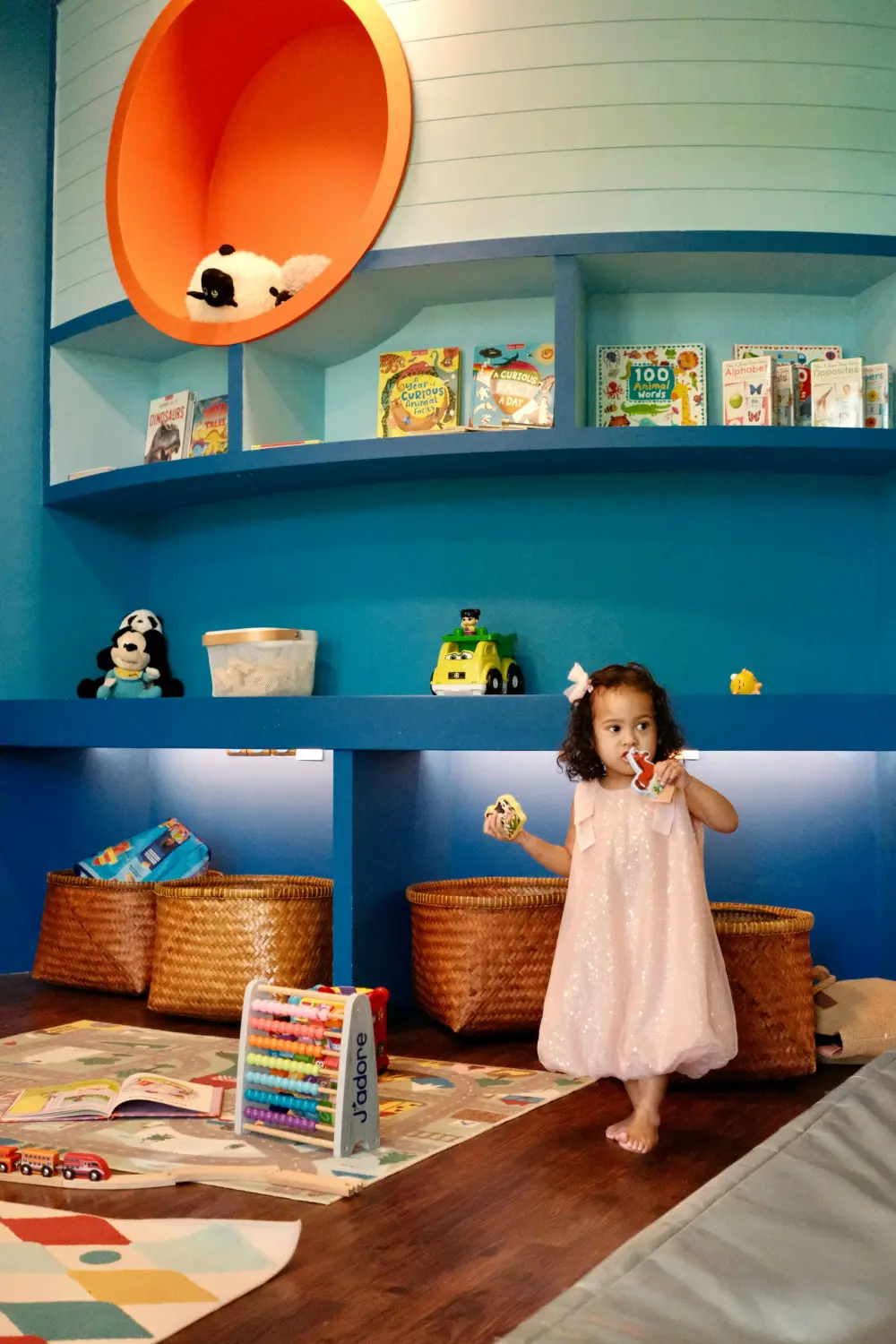
"The best games at home grow out of full parental presence and simple imagination free from screens."
WRAP-UP!
The parenting field notes guide The Fun of Creating a Simple Treasure Map in the Living Room with Your Child reinforces the Parenting Family Life pillar, proving that drawing a simple room floor plan on paper and hiding small objects around the house trains spatial logic, direction reading, and enthusiasm for solving riddles in an engaging family setting.
Explore screen-free afternoon play ideas at home, guides to building spatial intelligence across childhood stages, and meaningful family activity inspiration with Alinear Indonesia.
Ready to Elevate Your Business and Brand to the Forefront of the Digital Era?
Discover how Alinear Indonesia’s integrated Advertorial+ (Smart Publication & Smart Activation) solutions combine media PR with AI-driven intelligence and the power of storytelling to multiply your business visibility and credibility (Brand Authority). Consult your vision and growth strategy with us today. [Click Here to Begin!]