
Photo by usiswantoro on Unsplash
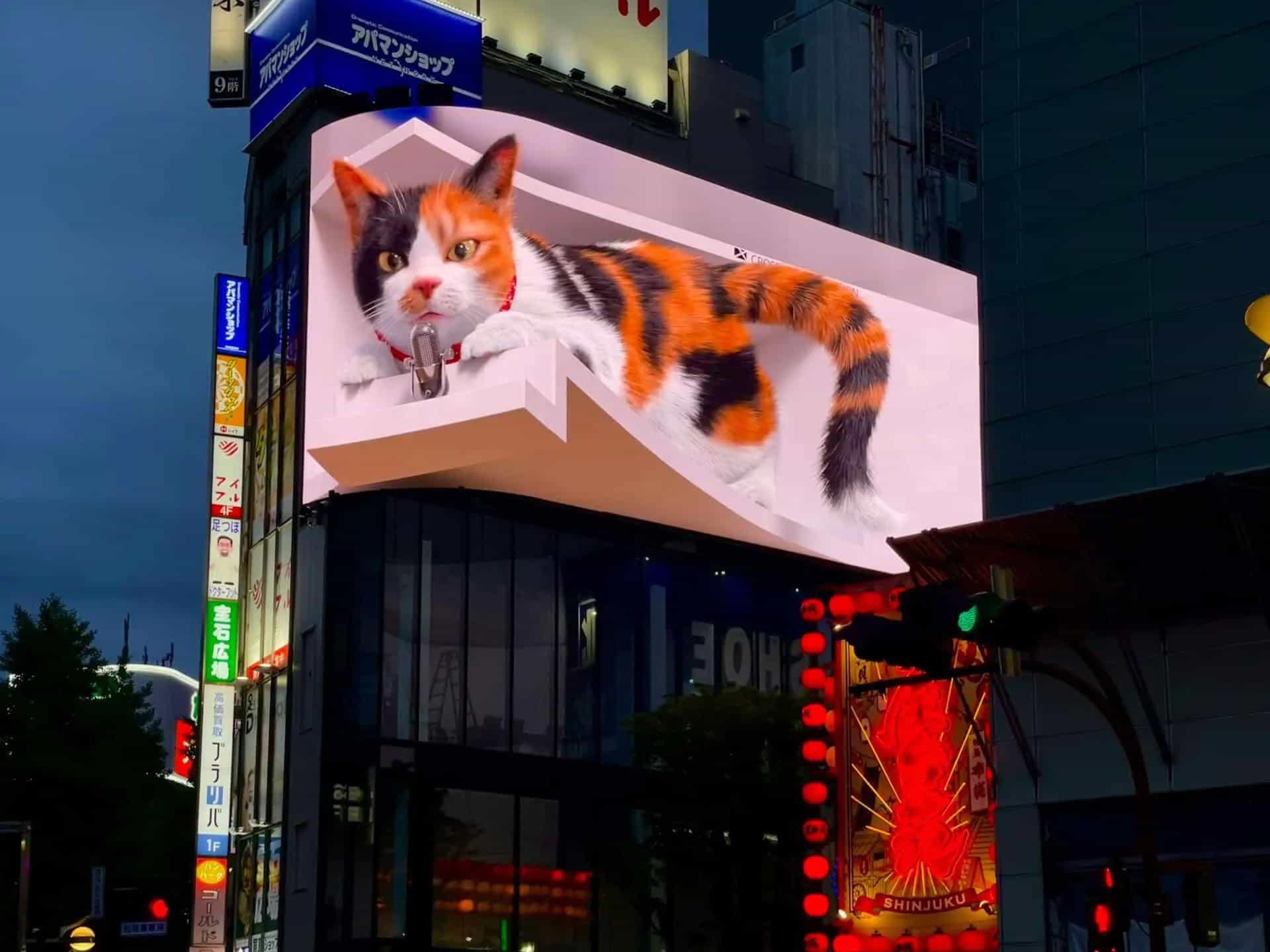
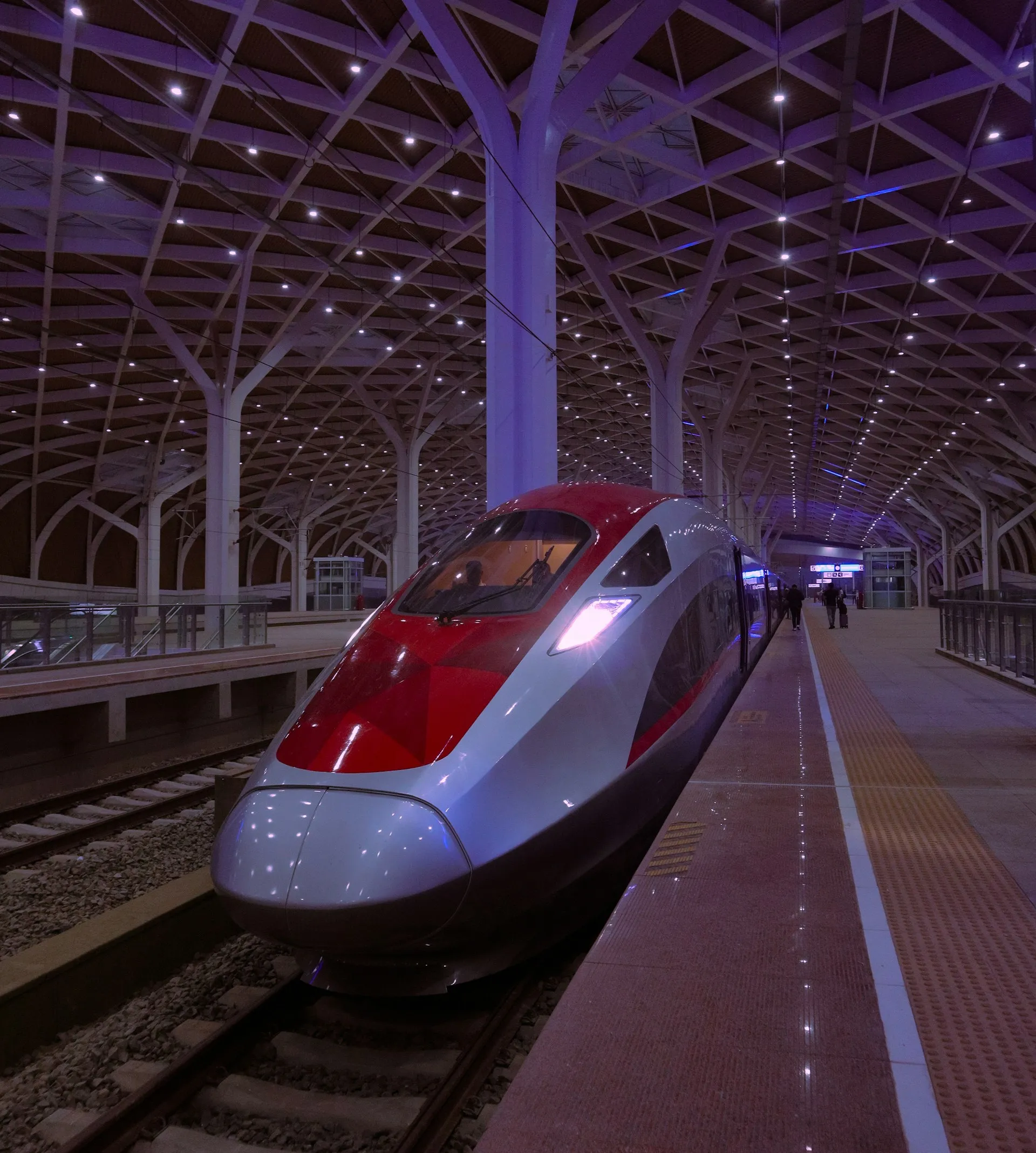
For more than a century, the boundaries of urban life were rigidly governed by clocks and physical distances. Deciding where to establish a home, pursue a career, or retreat for a weekend getaway always required a taxing compromise with gridlocked highways or rigid regional rail timetables. However, the commercial integration of ultra-high-speed, near-vacuum tube networks—the Hyperloop era—has officially dismantled the tyranny of distance. Geographical space is no longer measured by physical distance on a map, but by the minutes it takes a pressurized pod to slide through a low-resistance corridor.
This paradigm shift yields profound psychological implications for the modern urbanite. Intercity journeys that once demanded exhausting drives or protracted airport processing sequences have transformed into brief transit rituals no longer than a morning espresso break. As regional travel times shrink, the mental friction dividing separate regions evaporates, giving rise to an integrated megapolitan ecosystem where effortless, fluid mobility stands as a primary asset for the modern professional class.
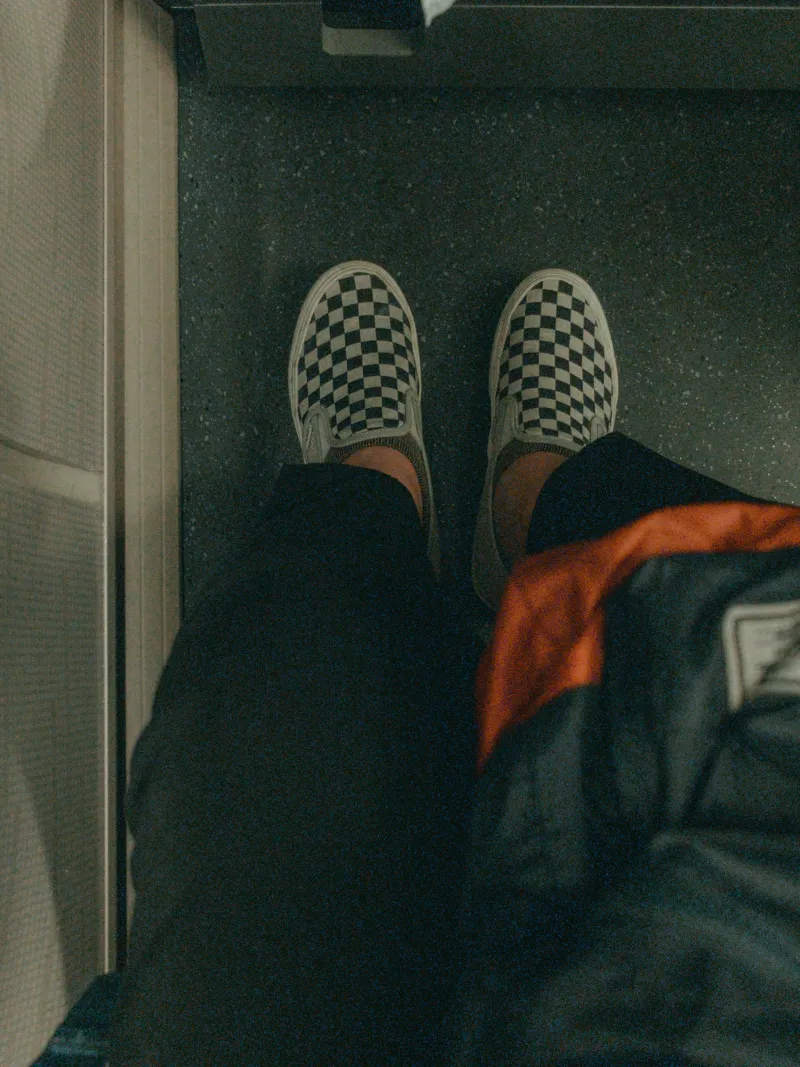
Photo by David Kristianto on Unsplash
Shifting Residential Paradigms: The Rise of Borderless Premium Suburbs
The most tangible byproduct of spatial deconstruction manifests in the structural reallocation of the residential property market. Densely populated, noisy, high-cost metropolitan cores are losing their monopoly as the exclusive residential anchors for high-tier talent. The strategic placement of Hyperloop hub networks has ignited a secondary exodus toward pristine outlying regional zones or secondary cities previously deemed too far for a daily commute.
Professionals now command the autonomy to acquire spacious, nature-integrated properties in peaceful regional belts without compromising executive positions within principal business districts. This structural shift establishes the model of cross-border commuting. A professional can comfortably enjoy breakfast in a sprawling home located in a quiet secondary city, walk a few minutes to a regional transit hub, and step into a primary metropolitan boardroom entirely refreshed and on schedule. This efficiency redistributes economic capital to outlying regions while relieving metropolitan centers of acute demographic congestion.
Rise of the Modern Day-Tripper: Blending Career Velocity with Spontaneous Exploration
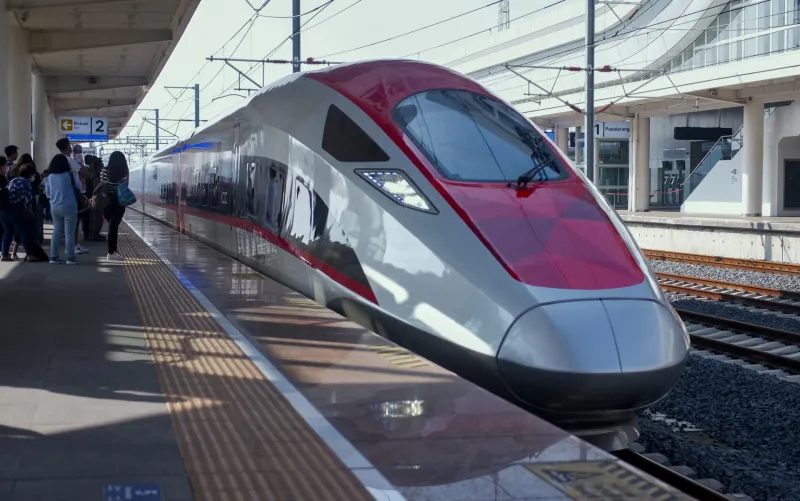
Concurrently, this hyper-mobility revolutionizes leisure tourism by nurturing the rise of the new day-tripper—a demographic of spontaneous, single-day travelers. Prior to this infrastructure shift, engaging in high-quality cultural exploration or culinary leisure in an adjacent regional center demanded extensive logistical planning, overnight accommodation, and a significant expenditure of personal energy. Today, leisure and career fluidly intertwine within a single 24-hour cycle.
An urban professional can efficiently execute corporate objectives through the morning, board a transit pod post-lunch, and spend the afternoon discovering a landmark art exhibition or enjoying authentic heritage dining in an entirely different city before returning home for dinner. This spatial agility converts travel from a rare annual milestone into a casual, spontaneous lifestyle choice. This fluid rhythm enriches the cognitive wellness of the urban population while injecting continuous consumer capital into the creative economies of transit-adjacent municipal hubs.

Photo by Eneko Uruñuela on Unsplash
Synchronized Mobility: Where High-Speed Pods Meet Green Micro-Corridors
While the Hyperloop architecture offers unmatched velocity for macro-regional connectivity, the next phase of structural optimization centers on how passengers manage their journey upon arriving at their destination—the last-mile commute. Interestingly, extreme regional speeds have not led urbanites to demand noisy, chaotic transit inside the city center. On the contrary, it has fostered a deep appreciation for local, quiet, and eco-conscious transit.
This introduces a unique synchronization of urban movement. Upon stepping out of a central terminal after traveling hundreds of kilometers at near-sonic speeds, contemporary commuters favor clean, personal micro-mobility tools. This integration makes the development of dedicated intra-city bicycle corridors paramount to the overall efficiency of the executive routine [City Cyclings]. Contemporary urban planning links high-speed hub exits directly with safe, tree-lined cycling corridors connected to primary business centers. Fusing high-speed cross-regional transit with the mindful peace of cycling under a city canopy creates a balanced lifestyle tempo: moving fast across macro spaces while remaining grounded and human within micro environments.
"The Hyperloop era proves that modern urban luxury is no longer dictated by the physical coordinates of your home, but by the freedom to treat geographical distance as an obsolete metric."
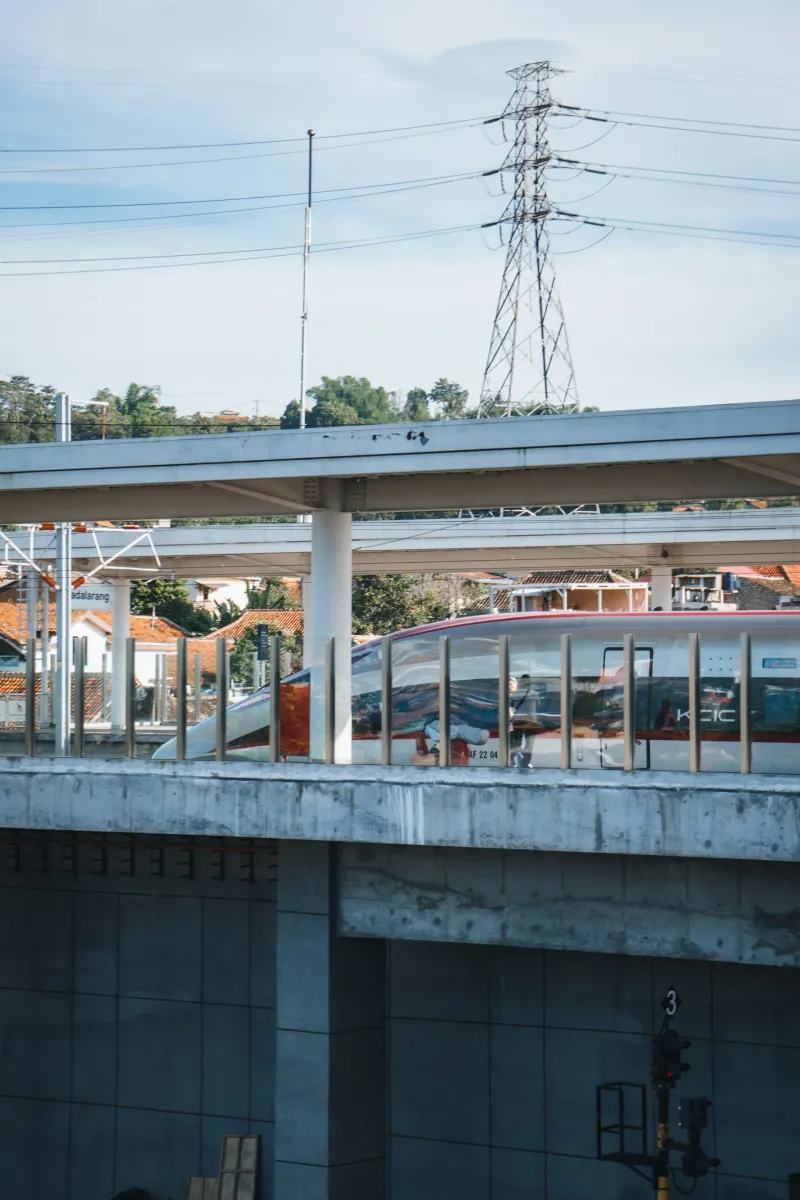
Photo by Abdul Ridwan on Unsplash
The New Equilibrium: Elevating Temporal Functionality Over Physical Coordinates
Ultimately, the high-speed commuter era is not merely a celebration of breakthrough mechanical engineering within the transportation sector; it marks the realization of temporal autonomy for modern humans. When geographical barriers are conquered by network efficiency, ownership of life's daily rhythm returns to the individual. Urban professionals are no longer forced to make binary choices between competitive corporate ambitions and preserving an idyllic, peaceful environment for family life.
This emerging lifestyle model elevates the functional utility of time as the ultimate modern currency. The capacity to seamlessly blend high-stakes finance work, spontaneous cultural immersion across regional boundaries, and deep restorative rest in a quiet suburban home within a single day represents true contemporary luxury. In this era, the modern professional does not inhabit a static city; they orchestrate their life across a vibrant network of destinations, fully optimized for personal efficiency and lifestyle balance.
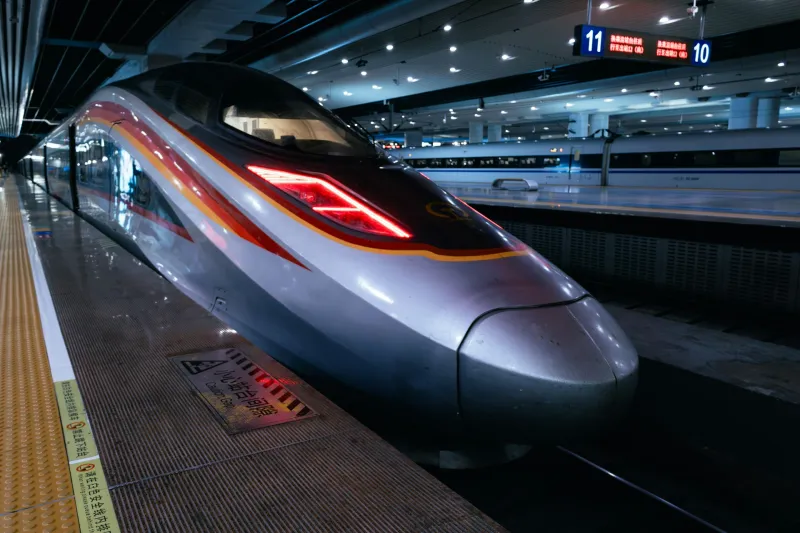
"When hundreds of kilometers melt into minutes, a city is no longer a physical boundary that contains us, but a curated catalog of experiences ready to be accessed at a moment’s notice."
WRAP-UP!
The dawn of ultra-fast transportation systems like Hyperloop has established a total paradigm shift in modern urban mobility. By eliminating the friction of physical distance, this technology unlocks decentralization across regional housing markets and fosters a new class of day-trippers that expands the horizons of everyday leisure. The harmony achieved between rapid macro-transit and peaceful local micro-mobility underlines that the future of urban lifestyle design relies on flexibility, time optimization, and human-centric equilibrium. Look toward developing regional belts connected to upcoming high-speed transit hubs to secure an adaptable, fluid urban lifestyle.
Looking to feature your brand and business through Alinear Indonesia’s Smart Publication & Smart Activation? Share your experience and consult with us today. Click here!