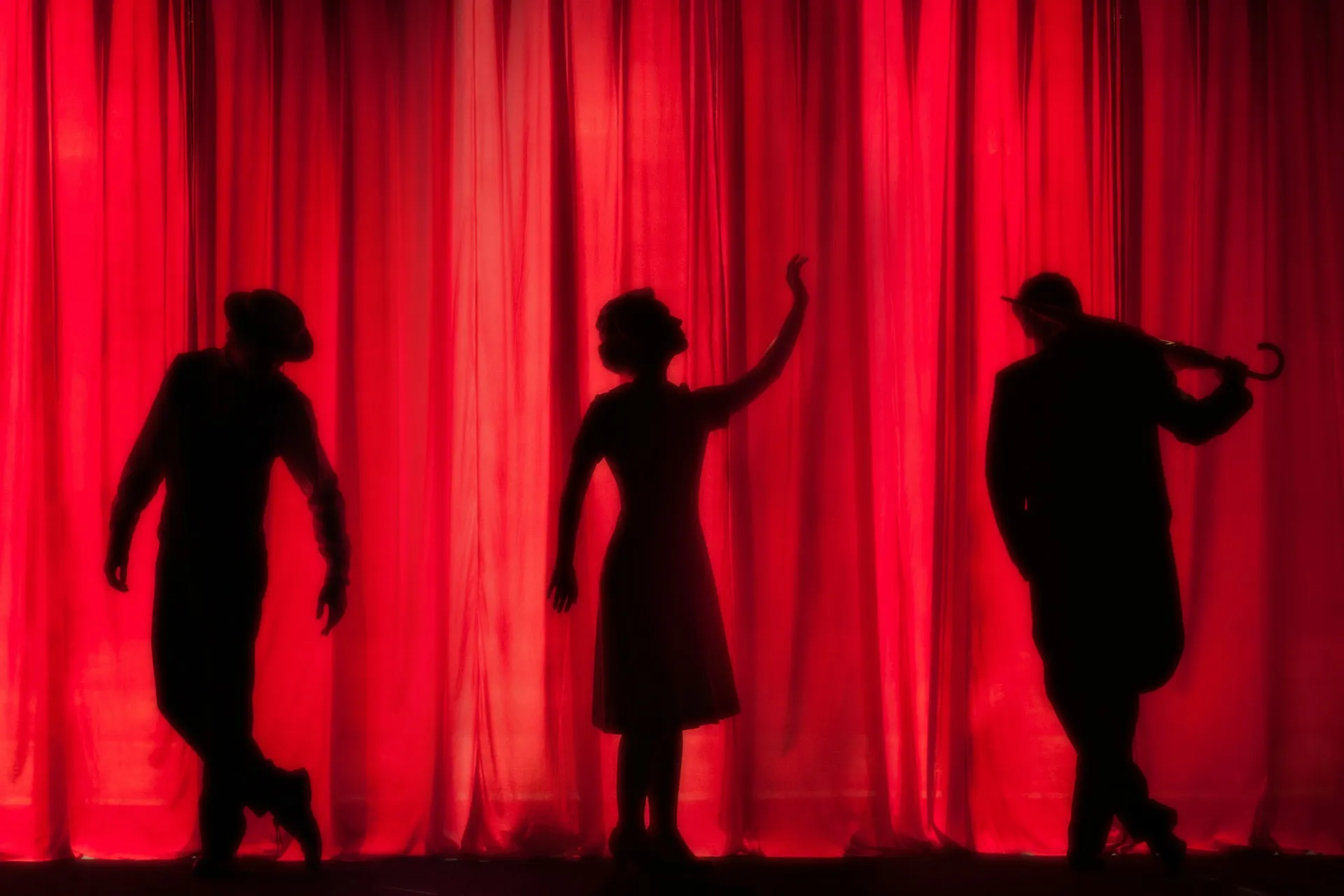

Photo by Kyle Head on Unsplash
The modern urban landscape operates at high levels of sensory output, generating continuous ambient noise that frequently impacts personal auditory sensitivity. Within this dynamic, performance venues attempt to build cathartic environments designed to minimize outside disruption. However, conventional theater architectures occasionally encounter structural challenges when distributing subtle vocal nuances uniformly across varied seating tiers.
Surrounding city sounds, mechanical movements, or subtle audience adjustments inside the auditorium can interrupt the delicate emotional focus developed on stage. These acoustic variables prompt performance collaborators to re-evaluate traditional sound delivery. The core objective moves away from expanding raw decibel output across a room, shifting toward positioning individual audience members closer to the interior perspective of the character.
Silent Theater Infrastructure: Incorporating Binaural Sound Design on Stage
The Silent Theater Movement functions as a practical intersection of classical performance and specialized audio utility. In this format, conventional external speaker arrays are bypassed. Instead, individual audience members receive a dedicated pair of wireless headphones linked directly to the central stage transmission matrix.
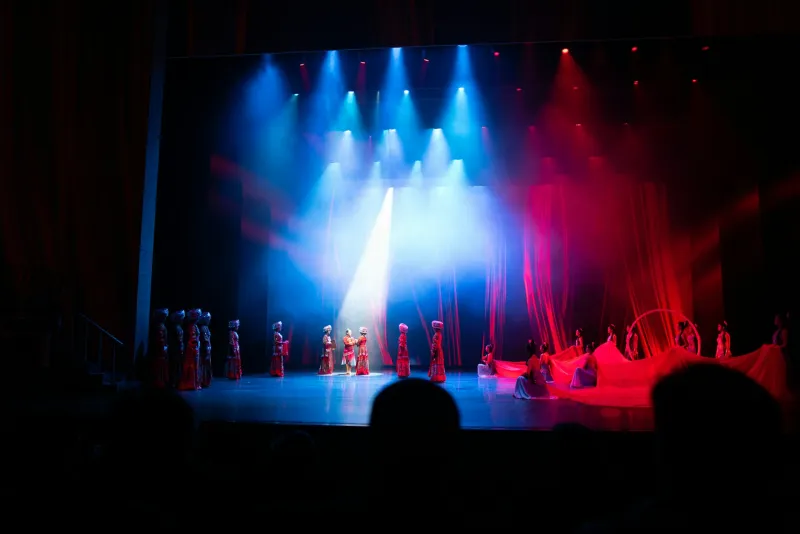
Photo by Jimmy Liu on Unsplash
The system operates on 3D spatial audio principles and binaural capturing. Optimized multi-directional microphones are positioned at fixed points across the set to collect acoustic waves in a pattern that closely replicates how human hearing processes frequency directions. When a performer moves across the stage, drops to a whisper, or steps away, the spatial shift registers precisely within the headphones. This spatial flexibility shares conceptual values with intentional evening relaxation spaces, such as those found within curated acoustic lounges [Late-Night Jazz Sessions: Bar]. Both frameworks emphasize managed soundscapes to settle the audience into a specific sensory space; while specialized music venues rely on physical proximity to condense instrument distance, the silent theater configuration uses frequency engineering to manage the perceived physical gap between character emotion and the listener's ear.
Deconstructing Internal Monologues: Capturing the Unspoken
Supported by spatial audio tracking, script translation is no longer bound to high-volume verbal projections. Production designers can examine subtle layers of a character's internal landscape. Viewers can isolate quiet shifts in breathing, changing heart rates during conflict sequences, or layered, overlapping internal thoughts.
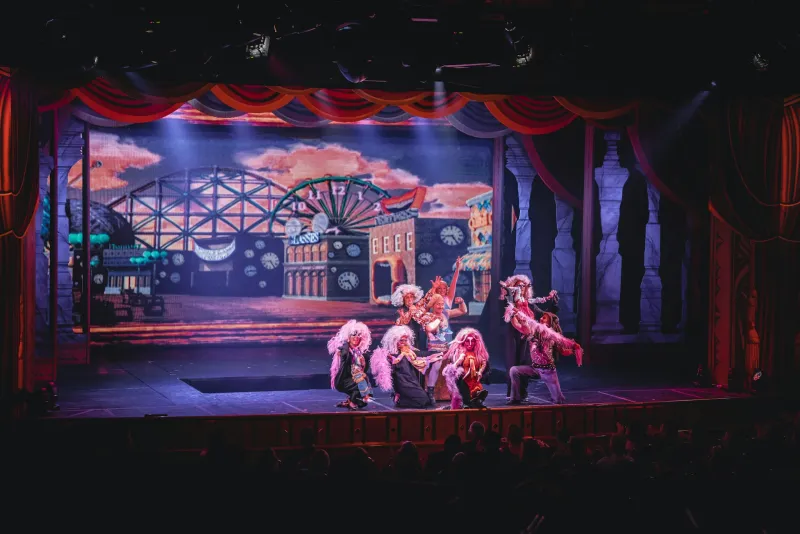
Photo by Yiran Ding on Unsplash
Background environmental elements—such as light rain effects, the movement of wardrobe fabrics, or distant, faint footsteps—arrive with high structural definition. This proximity supports consistent emotional engagement; audience members move from detached observation, receiving a clearer perspective of the tensions, vulnerabilities, and internal shifts presented on the stage.
Low-Distraction Aesthetics: Supporting Performance Authenticity
The silent theater format introduces a different environment for performers navigating character expression. Removed from the requirement of projecting dialogue intensely to clear acoustic dead-zones at the back of a hall, actors can prioritize tonal precision and micro-emotional choices. A low murmur or a subtle vocal quiver carries significant narrative weight without requiring forced amplification.
For the audience, minimizing environmental sound variables supports sustained attention. The combination of a darkened room and headphone insulation produces a highly focused viewing experience within a public venue. The visual contrast between a active stage and a quiet seating area introduces a distinct, minimalist performance aesthetic.

Photo by Javad Esmaeili on Unsplash
"The value of contemporary theater is not determined by how loudly a room amplifies a script, but by how closely a character's whisper connects with your personal focus."
New Operational Horizons: Flexible Creative Ecosystems
Moving forward, urban performing arts spaces continue to explore adaptive formats that re-evaluate traditional presentation boundaries. The long-term impact of a performance is often measured by the clarity of the thematic impression left with the audience.
The Silent Theater Movement serves as an example of leveraging technical utility to support artistic delivery through audio management. By balancing sound engineering principles with clear performance execution, this format creates a flexible creative framework suited to urban audiences who value focused sensory experiences within a fast-moving modern environment.
"When managed sound insulation secures your complete attention in the dark, the stage design clarifies into a straightforward, uncompromised space for human narrative."
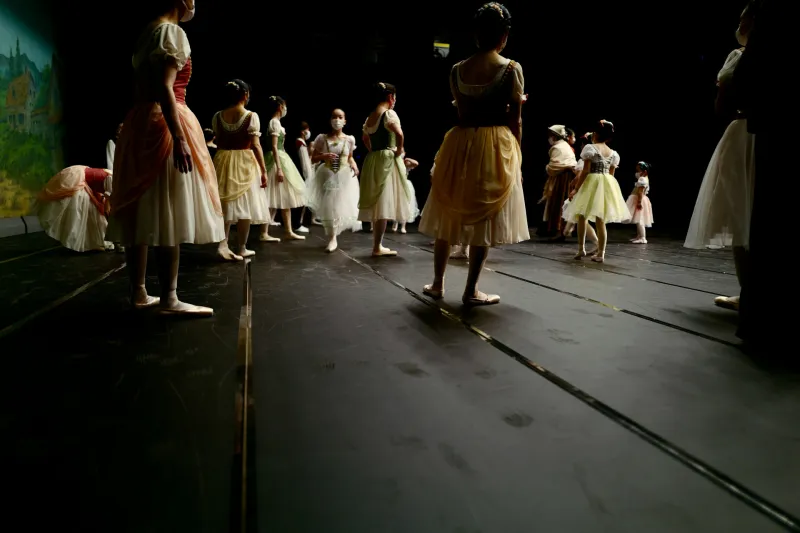
Photo by Kazuo ota on Unsplash
WRAP-UP!
The growth of The Silent Theater Movement demonstrates an updated approach to urban stage presentation, utilizing spatial audio tracking to support sensory proximity. By isolating performance acoustics through headphones, this framework mitigates ambient distractions and positions the listener closer to the interior arc of the character. This focused environment shares core values with sophisticated late-night cultural spaces like [Late-Night Jazz Sessions: Bar], indicating that appreciating the intricate details of creative work—whether dramatic dialogue or complex instrumental harmony—is supported by environments that minimize external noise pollution.
Research local independent performance collectives organizing technical headphone theater experiments; experience a production from any seating tier to evaluate how spatial audio tracks physical distance relative to the performance space.
Looking to feature your brand and business through Alinear Indonesia’s Smart Publication & Smart Activation? Share your experience and consult with us today. Click here!