



Photo by Nik Goodner on Unsplash
For the generation that came of age during the late '90s and early 2000s, the iconic musical themes charting the journeys of cinema’s most famous toy companions trigger an immediate emotional resonance. This foundational saga of a classic cowboy doll and a high-tech space ranger was far more than passing childhood entertainment; it established a collective memory that framed our baseline understanding of loyalty, collaboration, and shared empathy.
The arrival of the fifth installment in this legendary Pixar franchise presents a premier opportunity for modern child-rearing (parenting). Introducing children to this narrative universe is no longer just a default weekend leisure choice, but a strategic opening to share parental childhood milestones while reinforcing moral values that directly address contemporary developmental hurdles. Before heading to the theater, establishing a clear appreciation of these narrative roots provides the baseline for interactive family dialogue.
Video source by Rotten Tomatoes Classic Trailers (YouTube)
Rebuilding Emotional Foundations: Character Milestones from the Early Chapters
Why is it vital to reintroduce the baseline trajectories of these characters to today's youth? Because these initial entries laid down the primary frameworks for conflict resolution and emotional intelligence:
–– Navigating Insecurity and Practicing Generosity
The original narrative conflict focused heavily on the intense territorial insecurity experienced by an established favorite toy when confronted by a sleeker, highly advanced counterpart with modern mechanics. This dynamic offers essential lessons for young minds on processing professional or social friction (insecurity), respecting individual differences, and understanding how competitive energy can be re-channeled into collaborative efforts for the collective benefit of the family unit.

Photo by Stuart Timms on Unsplash
–– Self-Acceptance and Honoring Temporal Boundaries
Subsequent chapters forced the characters to navigate a difficult choice between a pristine, permanent existence behind the glass displays of a museum, or returning to a child with the explicit risk of being outgrown and left behind. This narrative teaches the value of self-acceptance and emphasizes that active utility and genuine affection within a finite timeframe carry far greater substance than isolated, frozen perfection.
The Greatest Adversary of Modern Play: Countering the Screen's Draw
While previous franchise installments dealt with the natural maturation of an owner or the transition to a new household, the latest chapter introduces a conflict that mirrors the immediate reality of contemporary living rooms: smart devices (gadgets). This time, our favorite ensemble must compete directly with the ultimate modern distraction, screen time. Today's youth frequently exhibit a preference for the hyper-accelerated stimulation of digital tablets over the slower, hands-on imaginative manipulation of physical toys.
Video source by Rotten Tomatoes Classic Trailers (YouTube)
Pixar’s clever decision to frame technology dependency as a high-stakes adventure provides an insightful mirror for audiences of all ages. This narrative focus underscores the necessity of media that acts as a social reflection, prompting self-awareness in children organically rather than relying on direct, heavy-handed instruction [Family Entertainment: Parenting Tips].
Creative Implementations: Channeling Digital Stimulation into Offline Action
Watching a film together is an excellent starting point, but the true educational yield depends on how parents transition those thematic takeaways into daily household routines to break the cycle of digital over-reliance.
Consider these tactical, home-based initiatives:
•• Cultivating Empathy Through Toy Audits
Post-screening, invite your child to sort through and reorganize their long-forgotten toy boxes. Activate their imagination and empathy by introducing creative, open-ended prompts—such as asking what conversations their physical toys might have when the room is dark. This exercise cultivates mindfulness and respect for personal belongings.
Video source by Pixar (YouTube)
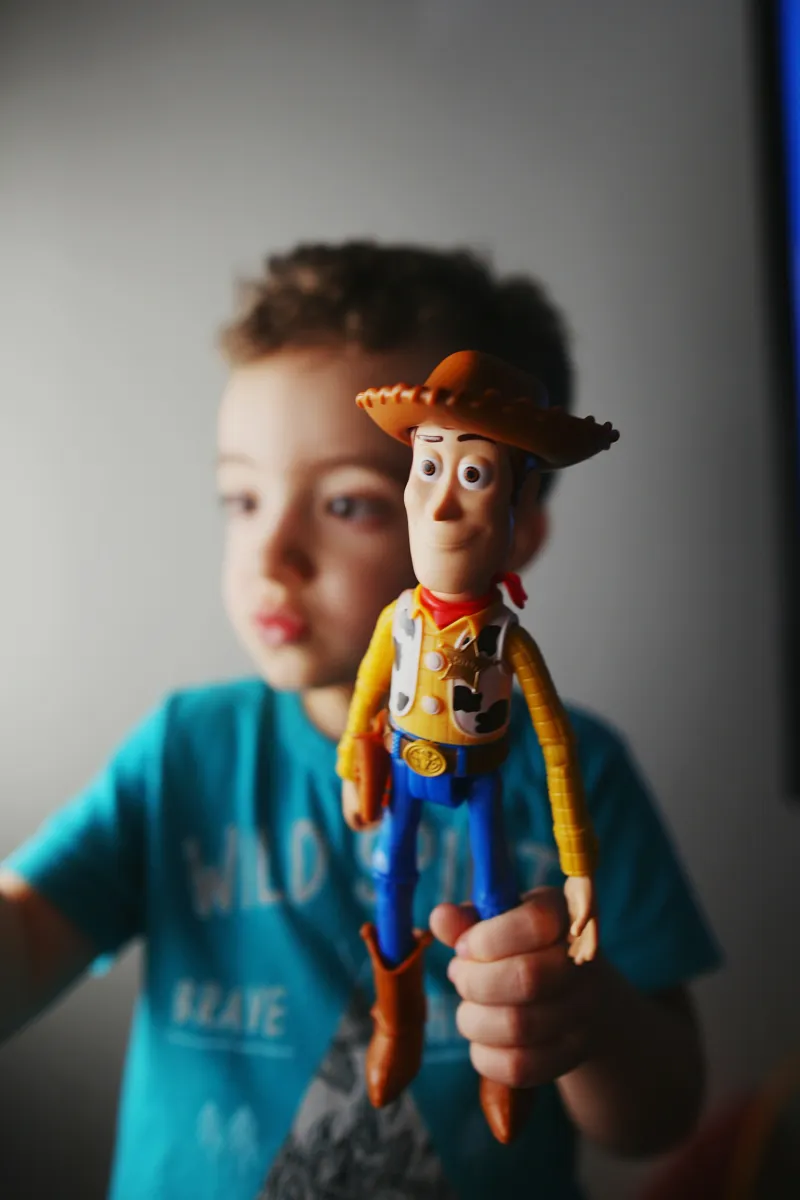
Photo by Silvana Carlos on Unsplash
•• Sensory Decompression via Outdoor Companionship
Establish a routine where your child selects one or two tactile toys to accompany the family on afternoon walks or during dining windows. Maintain a clear, non-negotiable boundary: physical toys are welcome to participate, but all digital screens are left behind to ensure undivided family presence.
•• Problem-Solving Role-Play for Motor Skill Development
Design interactive, real-world scenarios at home where children embark on a mission to "rescue" their physical toys from the vicinity of deactivated television or computer screens. This gamified approach builds essential problem-solving abilities while activating early-years motor functions through structured, dynamic physical play.
"Watching this cinematic milestone with your children is the ultimate reminder for modern households that genuine connection is not found behind a digital screen, but within authentic interactions and uninhibited play."
Video source by Pixar (YouTube)
Wholehearted Presence Beyond the Digital Screen
The deepest emotional bonds within a household can never be replicated by the artificial brightness of an electronic interface.
"The benchmark of modern parenting is not defined by the sophistication of the devices we provide, but by the depth of presence and imaginative space we actively construct alongside our children."
WRAP-UP!
Toy Story 5 serves as far more than a nostalgic retrospective for millennial parents; it operates as a critical diagnostic look at modern childhood digital consumption. By focusing on the structural tension between physical items and mobile screens, Pixar provides an asset that is simultaneously entertaining and educational. Capitalizing on this cinematic milestone through structured, post-viewing tangible activities is a vital investment in restoring child motor proficiency, sharpening interpersonal empathy, and securing psychological wellness within the family ecosystem.
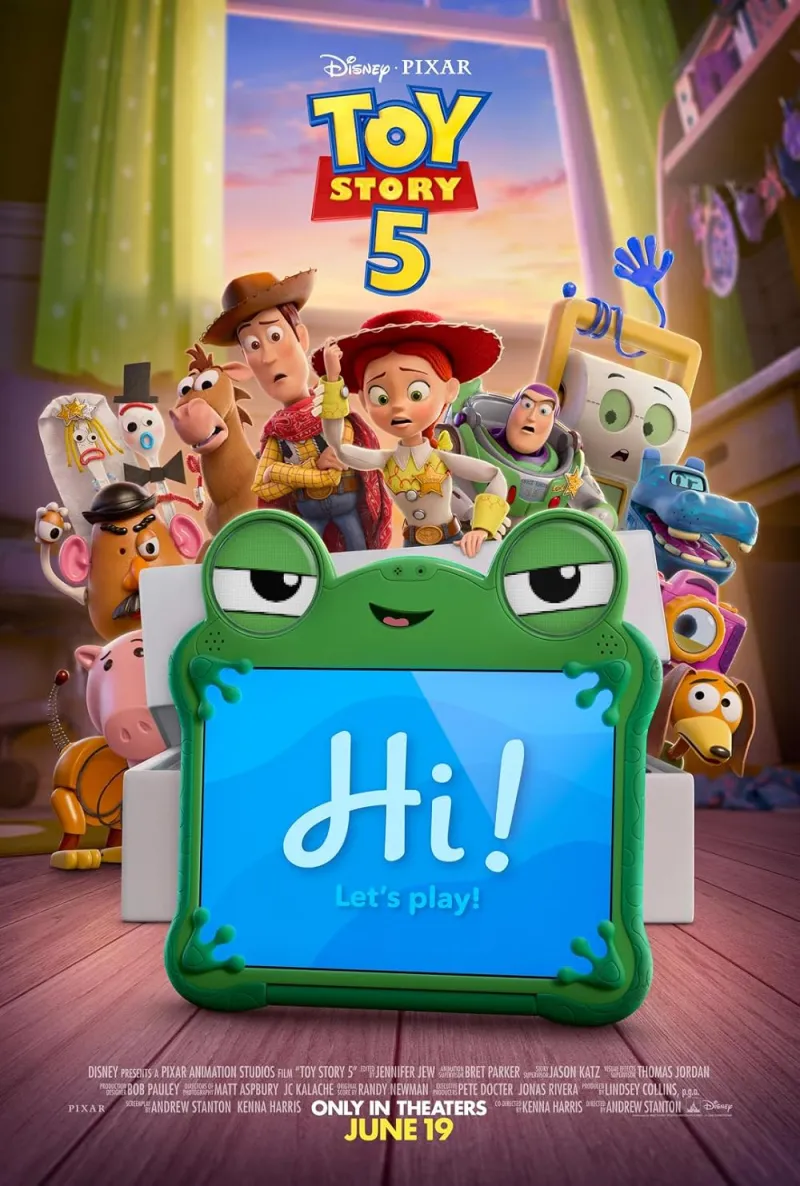
Photo souce by IMDB (Web)
Video source by Pixar (YouTube)
Your immediate tactical step is to schedule a dedicated family cinema outing. Ahead of the viewing, prime the domestic environment by encouraging your child to curate a small selection of their classic physical toys. Throughout the screening, observe your child’s intuitive reactions to the digital vs. physical plotlines. Upon returning home, directly implement a practical lifestyle intervention, such as the collaborative "toy audit" in their bedroom. Harness this peak engagement window to establish clear, collaborative parameters regarding daily screen time allowances (screen time boundaries) to safeguard your child's long-term cognitive and physical development.
Looking to feature your brand and business through Alinear Indonesia’s Smart Publication & Smart Activation? Share your experience and consult with us today. Click here!


![Alinear Indonesia [Brand/Business Registration] Smart Publication & Smart Activation](https://www.alinear.id/assets_web/images/qr-codes/3e23e7dab43d2e72854ba48a3a09cf75.jpg)