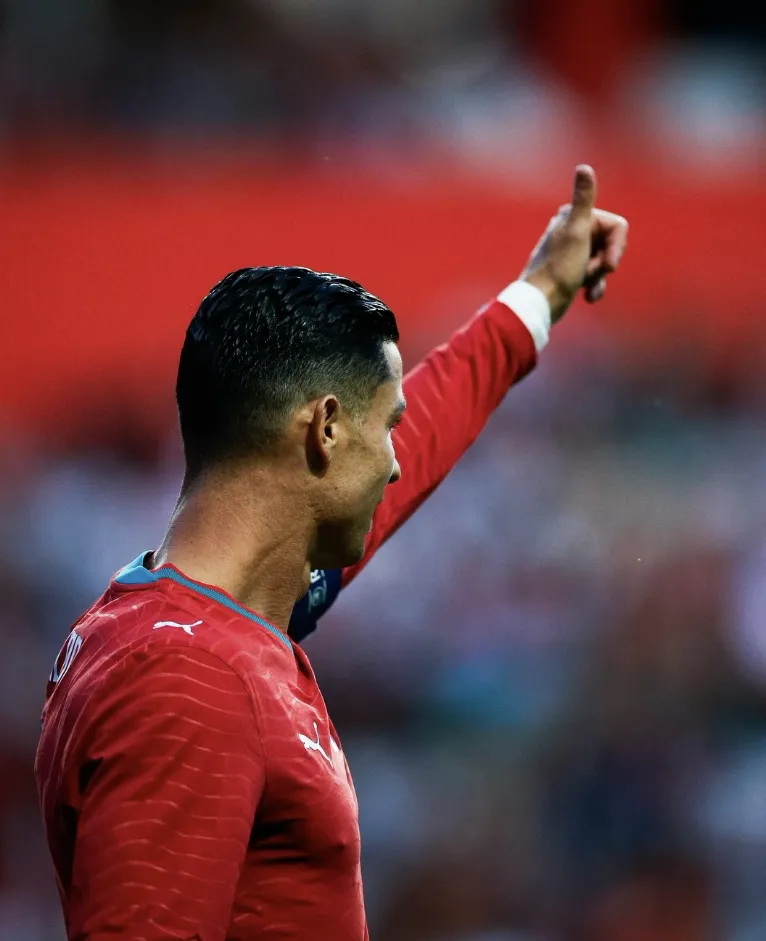

Photo source by Instagram (@cristiano)
World Cup 2026 fever has officially gripped the global audience and urban communities. This phenomenon is no longer just a mass entertainment spectacle; it has evolved into a vibrant forum driven by a critical subculture of strategic football enthusiasts. Among the group stage fixtures, the clash pitting European powerhouse Portugal against a surprise-laden African force, DR Congo, has emerged as a must-watch event for tactical analysis hunters.
This matchup transcends the conventional narrative of favorites versus underdogs. For football tacticians, the game serves as an ideal case study on how two contrasting playing philosophies interact, testing how effectively each strategist can implement computational adaptations directly on the pitch.
Squad Composition Projections: Seleção's Depth vs Les Léopards' Compactness
Portugal is predicted to deploy a highly dynamic, modern approach, utilizing a baseline structure that fluidly shifts between a 4-3-3 and a 3-4-2-1 to secure numerical superiority (overloads) across the central spine. Conversely, Congo is expected to counter with a compact 4-2-3-1 block, heavy on closing down vertical passing lanes within their own defensive third.
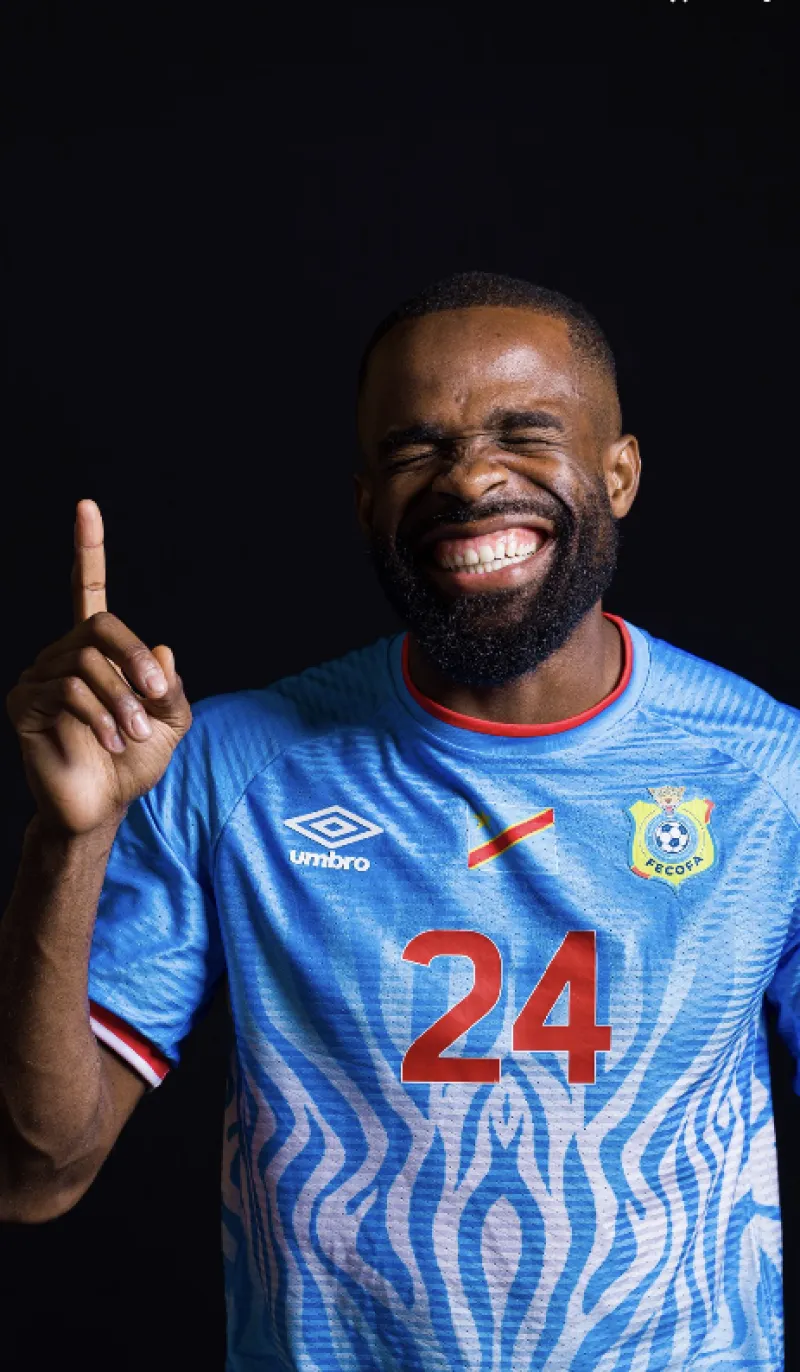
Photo source by Google Highlight (WC2026)
In the goaltending department, Portugal's build-up will be initiated from the back by Diogo Costa, while Congo relies on the resilience of Lionel Mpasi between the posts. To contain threats, Portugal’s backline will be anchored by the central defensive pairing of Rúben Dias and Gonçalo Inácio, flanked by the energetic, high-pressing fullbacks Diogo Dalot and Nuno Mendes. On the flip side, Congo counters with a disciplined and robust defensive quartet, led by Chancel Mbemba and Dylan Batubinsika in the heart of the defense, with Gédéon Kalulu and Arthur Masuaku managing the wide channels.
The most critical battleground lies in the center of the park. Portugal will look to leverage a complementary midfield trio: João Palhinha shielding as the anchor, Vitinha operating as the tempo-controlling metronome, and Bruno Fernandes driving the side forward as the chief creative architect. To stifle this creativity, Congo will pack a powerful double pivot consisting of defensive midfielders Samuel Moutoussamy and Charles Pickel, sitting right behind an inventive attacking midfield trident of Théo Bongonda, Gaël Kakuta, and Yoane Wissa.
Upfront, Portugal's vanguard will rely on the fluidity of Bernardo Silva and Rafael Leão on the wings to feed either Gonçalo Ramos or Diogo Jota leading the line. Meanwhile, Congo’s single-striker system will count on the clinical edge of Cédric Bakambu or the dynamic alternative option of Simon Banza to terrify opposition center-backs on rapid transitions.
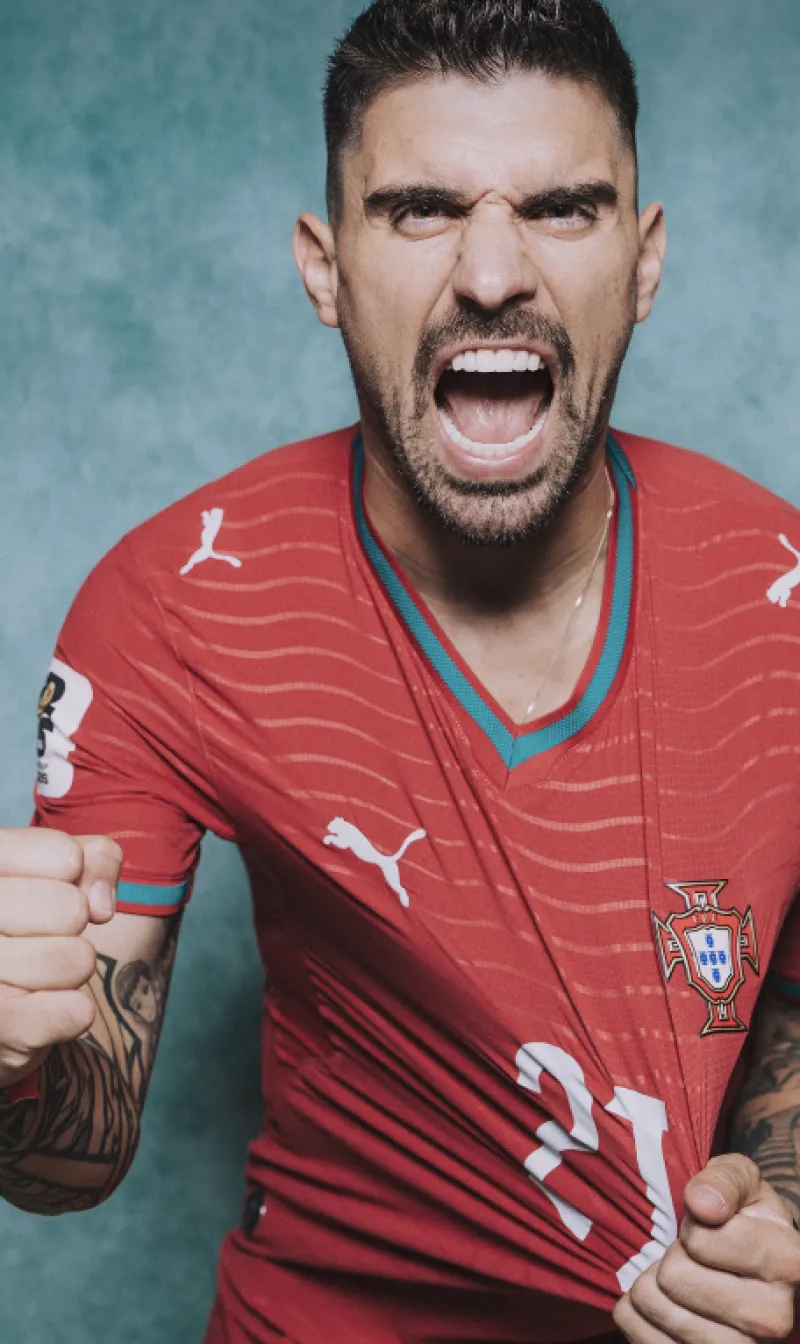
Photo source by Google Highlight (WC2026)
Video source by Kompas.com (YouTube)
Midfield Automation and Flank Corridor Risk Mitigation
The primary experiment of this match rests on Portugal’s ability to execute positional play to unlock low blocks without falling victim to rapid counter-attacking traps. The engine of Portugal's ball siphoning relies heavily on the synergy between Vitinha and Bruno Fernandes. Vitinha functions as a deep-lying playmaker, tasking himself with dragging Congo's midfielders out of position. The moment micro-spaces open up, Bruno Fernandes acts as the primary catalyst to slip incisive through-balls to wide threats like Rafael Leão, who uses the width of the pitch to cut dangerously into the penalty area.
However, this offensive framework carries inherent risks. Fullbacks like Nuno Mendes and Diogo Dalot have a strong tendency to push high up into the final third. The vacant space left behind in the defensive channels forms the bullseye of Congo's strategy. Operating out of a dense low block, Congo aims to force turnovers in the middle third, instantly unleashing the vertical pace of Yoane Wissa and Théo Bongonda to exploit that open grass before the opposition can re-organize.
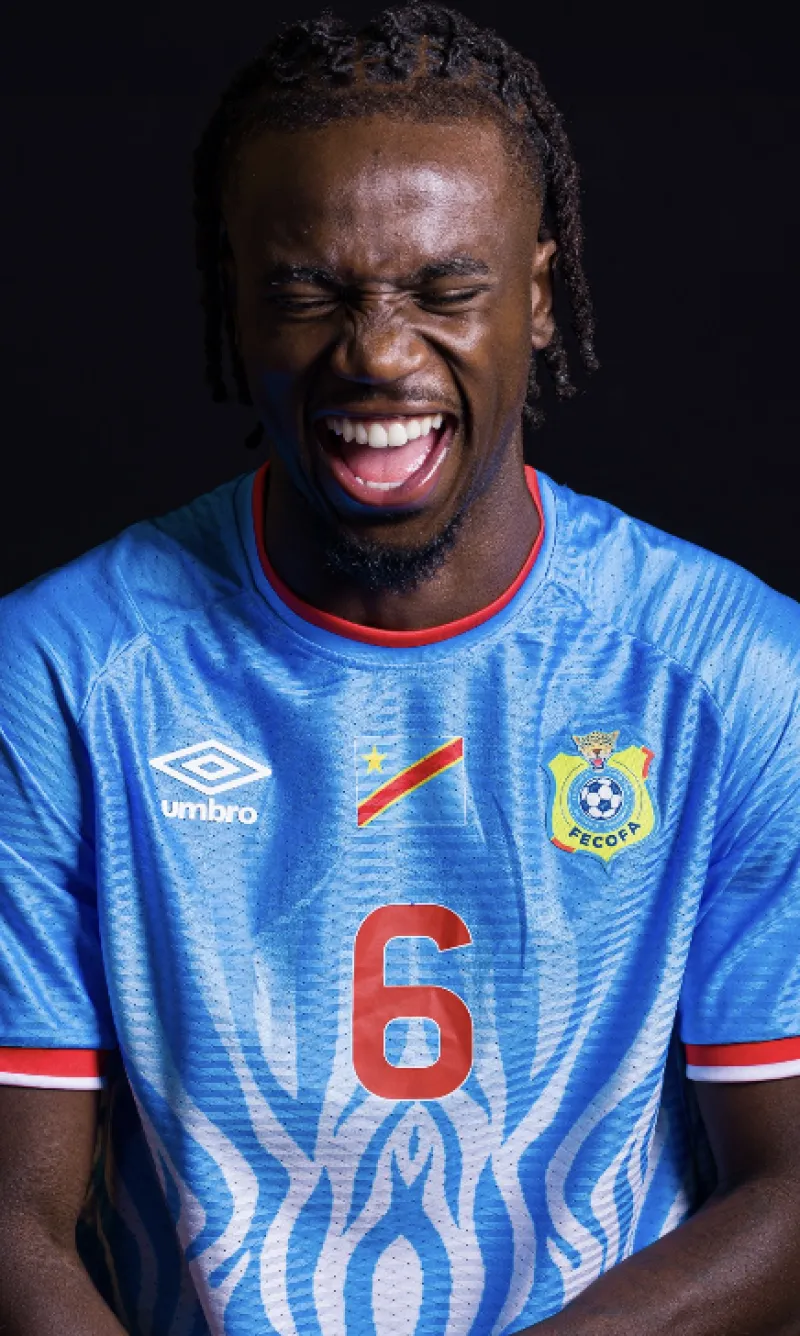
Photo source by Google Highlight (WC2026)
The Mechanics of Rest Defense in Countering Turnover Risks
To neutralize these lightning-quick transitions, the role of Portugal's backline—particularly Rúben Dias—becomes paramount through the deployment of a structured rest defense (the defensive shape maintained while a team is actively attacking). Dias is not only expected to win isolated physical duels against Congo's target men like Cédric Bakambu, but he must masterfully coordinate the defensive line's horizontal and vertical spacing.
A disciplined rest defense framework acts as the ultimate insurance policy. When sudden turnovers occur in the final third, a well-stationed defensive structure immediately suffocates the outlet options for Congolese players, preventing them from delivering the crucial first long ball that triggers a lethal counter-attack.
"In modern football tactics, beauty is no longer measured by how long a team keeps the ball, but by how prepared they are for the exact millisecond they lose it."
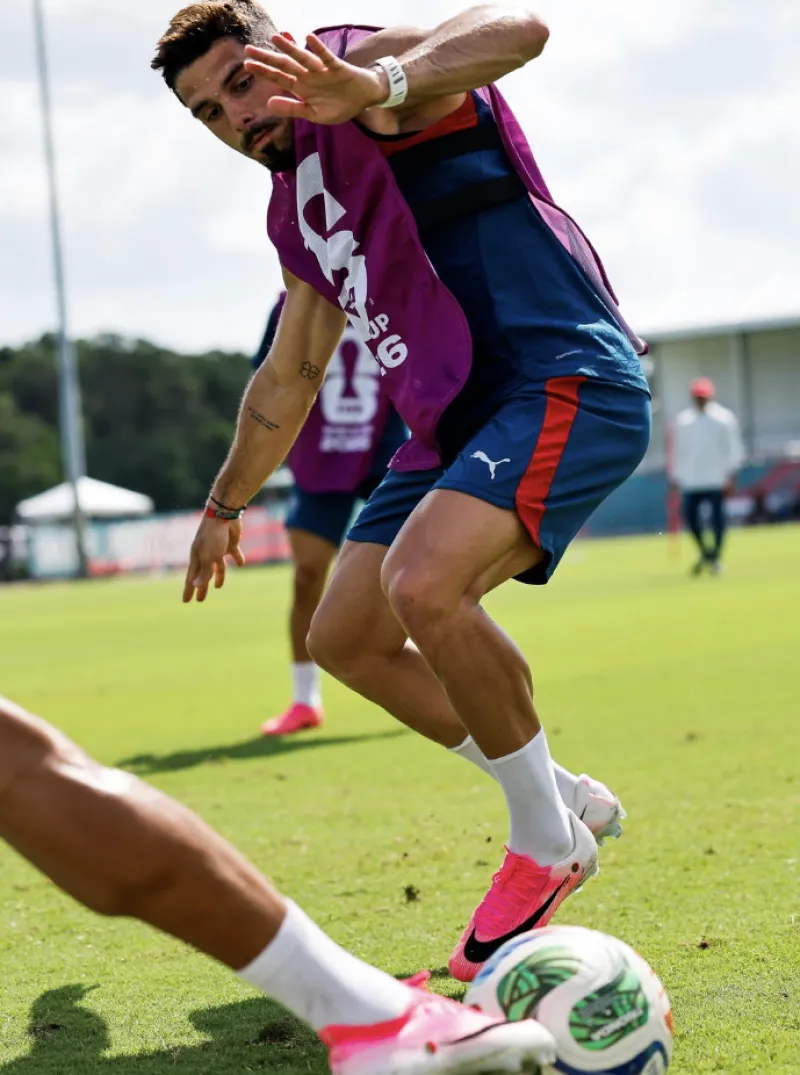
Photo source by Instagram Potugal Football Club (WC2026)
Tactical Indicators to Watch:
To analyze the flow of the match objectively without falling into biased assumptions, tactical enthusiasts should keep an eye on three specific on-pitch indicators:
–– Penetration Efficiency in the Opening 20 Minutes
An early breakthrough by Portugal will force Congo to abandon their rigid low block. Should Congo maintain a clean sheet through the opening phase, escalating psychological pressure could disrupt Portugal's patient passing rhythm.
–– Counter-Pressing Success Rate in Midfield
How quickly enforcers like João Palhinha and Vitinha regain possession post-turnover will dictate the game's tempo. If the counter-press fails, Congo will gain the vital seconds needed to launch the ball out to their rapid wingers.
–– Inter-Line Compactness of the Defensive Block
The discipline of Congo's back four alongside their double pivot in keeping horizontal and vertical gaps tightly closed will face a stern test. Any lapse in shifting coordination will be instantly punished by Bruno Fernandes' vision.
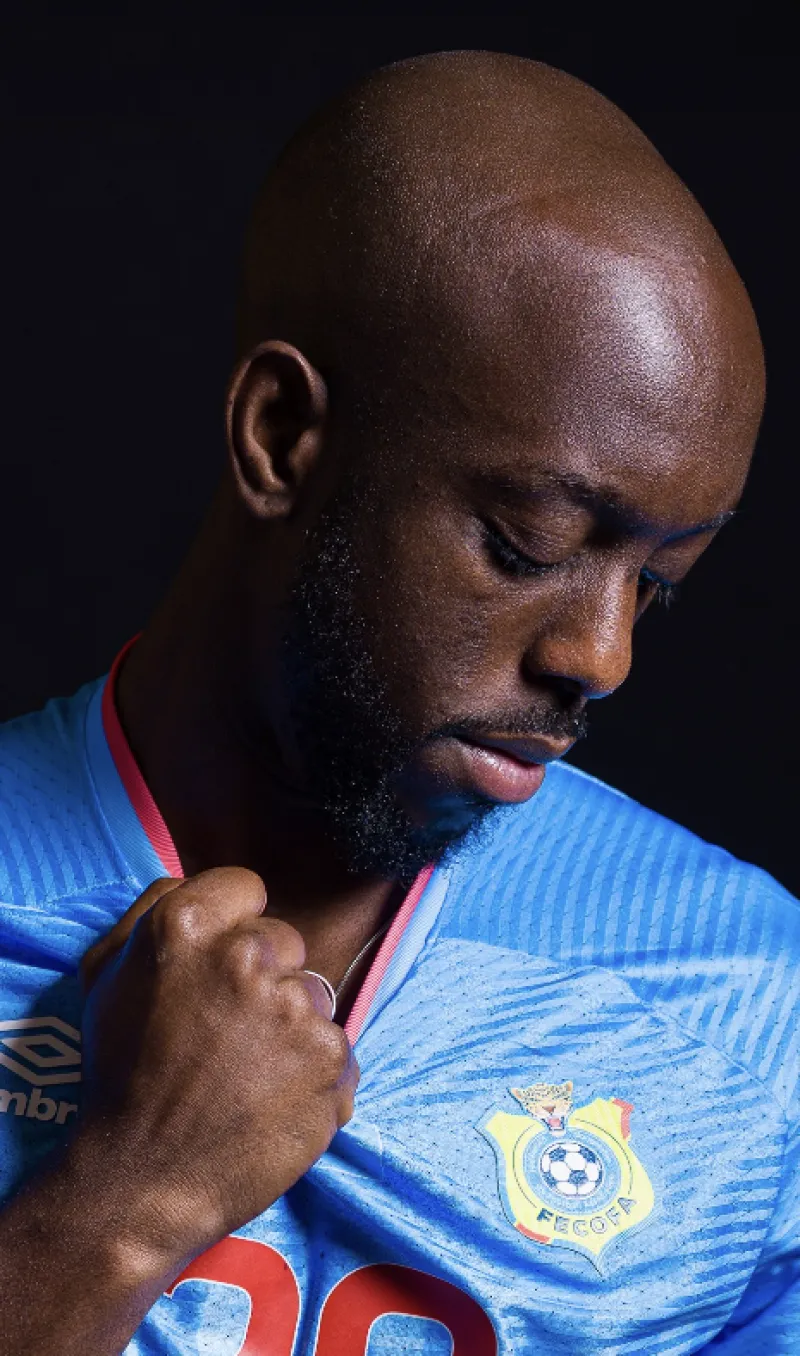
Photo source by Google Highlight (WC2026)
Video source by FolaPlay (YouTube)
"Major tournament matches are rarely decided by individual star power on paper, but by the collective precision that ruthlessly commands time and space."
WRAP-UP!
The tactical preview between Portugal and Congo at the World Cup 2026 underscores that modern football is a dynamic game of computational chess. Portugal introduces a fluid, highly collaborative identity shift, whereas Congo offers a high-level test of defensive organization and transition efficiency. This matchup proves that the modern allure of the sport resides in sophisticated strategic clashes, where a single detail in transition can instantly alter the game's destiny.
Sharpen your lens when watching the match by focusing on off-the-ball fullback positioning during attacking phases, and track how rapidly defensive midfielders from both teams compress transition spaces in the middle third.
Looking to feature your brand and business through Alinear Indonesia’s Smart Publication & Smart Activation? Share your experience and consult with us today. Click here!
![Smart Publication+ 3.0: Build Authority. Drive Growth. [Technical Specification]](https://www.alinear.id/assets_web/images/qr-codes/bd48cb0acb2d9586570edb8a7303cee1.jpg)