


Photo source by SR Digital - Alinear Indonesia (Adobe FireFly – Gemini AI)
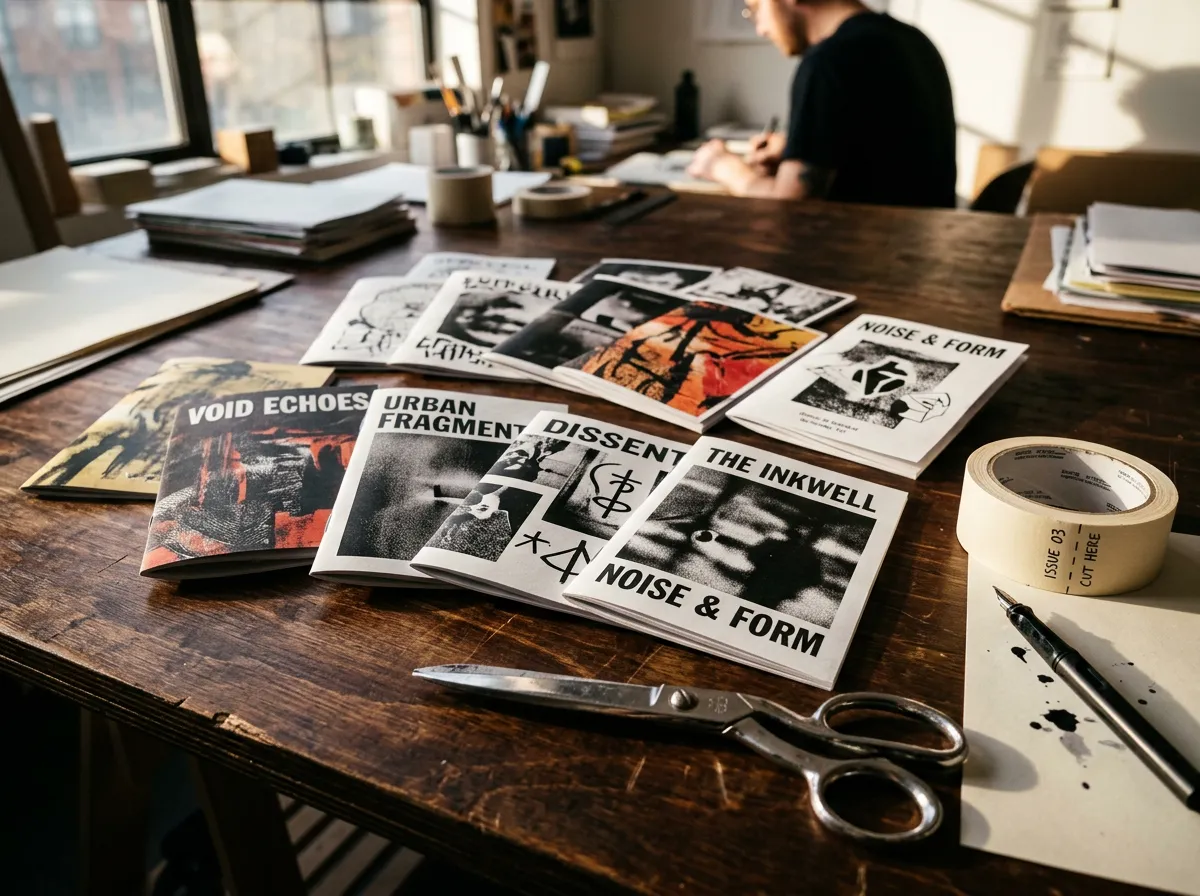
In an ecosystem where information flows are dominated by glass touchscreens and hyper-optimized social media feeds, an unexpected counter-cultural movement is gaining ground: the Zine Culture Revival. A collective push toward zines—small-scale, self-published independent magazines produced completely through self-reliance—is transforming how subcultures share ideas. Creators are embracing this medium not as a nostalgic step backward, but as a deliberate reclamation of creative autonomy.Mainstream platforms have increasingly standardized content formats, pushing subcultures to seek alternative spaces where boundaries can be pushed without fear of community guideline violations or down-ranking.
Engaging with a physical, textured zine provides a grounding sensory experience that contrasts sharply with the fleeting nature of infinite digital scrolling. This movement proves a shared hunger for tangible cultural items that possess real weight, absolute authenticity, and zero reliance on internet metric optimization. By moving communication from pixels to paper, independent collectives are constructing an ecosystem insulated from corporate monetization algorithms.
Deconstructive Aesthetic of Independent Prints
The defining characteristic of this zine revival is its proud commitment to a deconstructive, unpolished aesthetic. Unlike traditional print publications that demand expensive high-gloss paper and perfect corporate layouts, modern zines rely heavily on xerox copies, quick risograph printing, and manual collage work. Pages feature mismatched typography, hand-drawn margins, visible staples, and deliberate ink smudges that make every single copy feel like a raw piece of art.
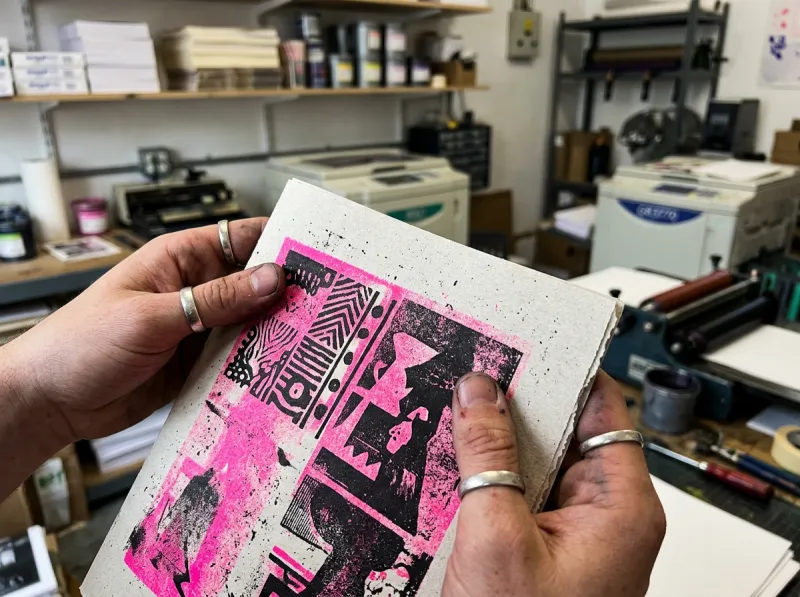
Photo source by SR Digital - Alinear Indonesia (Adobe FireFly – Gemini AI)
This raw production style functions as an architectural critique of contemporary digital design, which has become incredibly sterile and predictable due to uniform user-interface templates. Cutting out physical clippings, arranging letters by hand, and running limited batches through a risograph drum injects an element of human error back into creative work. The resulting texture creates a deep connection between the creator and the reader, signaling that the content was crafted with physical effort rather than generated by a prompt or optimized for a search engine feed.
Unfiltered Manifestos and the Sanctuary of Dark Satire
Operating entirely outside the commercial print landscape allows zines to offer a completely unfiltered venue for writing, art, and societal critique. Without editorial boards, corporate sponsors, or advertisers dictating the boundaries of acceptable discourse, independent zines function as radical spaces for micro-narratives that mainstream media completely ignores. Creators can use these pages to dive into local community issues, subculture histories, or deeply vulnerable emotional reflections.
This freedom to express ideas without filters or algorithms makes zines the perfect home for the sharp social commentaries found in [Satire Era: Dark Humor Trends]. The absurdity of modern life, institutional disillusionment, and complex cultural anxieties are translated onto paper using sharp, boundary-pushing parodies and dark irony. Because a zine cannot be flagged, shadowbanned, or reported by an internet community filter, it preserves the raw power of alternative humor, keeping it safe from digital censorship.
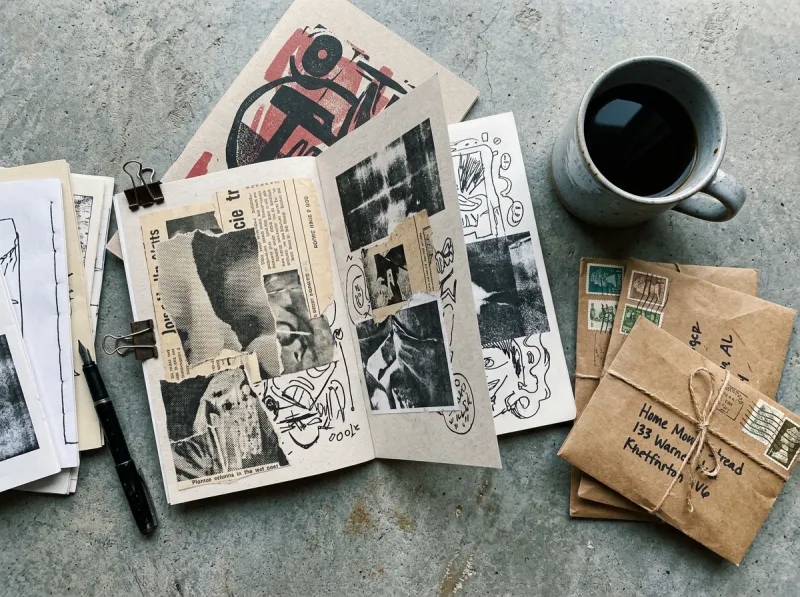
Photo source by SR Digital - Alinear Indonesia (Adobe FireFly – Gemini AI)
The Rise of Grassroots Trading Over Digital Validation
The distribution methods chosen by modern zine collectives further highlight the anti-corporate nature of this print movement. Rather than focusing on online scalability or digital downloads, zines are shared via physical trading fairs, specialized pop-ups, and alternative art spaces. This framework shifts the value of a piece of media away from its viral potential, prioritizing direct, face-to-face interaction instead.
When copies are hand-delivered, mailed in custom envelopes, or swapped for other prints, the transaction becomes a community-building experience rather than a data point for an ad network. This focus on physical circulation completely bypasses mainstream media's reliance on web analytics and engagement tracking. A print that reaches fifty passionate individuals who pass it along to friends is considered a massive success within this framework, redefining impact through depth of connection rather than raw viewer volume.

Photo source by SR Digital - Alinear Indonesia (Adobe FireFly – Gemini AI)
"When the digital world becomes too uniform and crowded with advertisements, holding a piece of handmade paper is the most honest aesthetic rebellion left."
Reclaiming Creative Sovereignty in a Digital Age
Ultimately, the resurgence of zine culture represents an intentional stand for creative sovereignty in a world obsessed with automated efficiency. For modern visual artists, writers, and cultural thinkers, self-publishing a zine is a powerful way to assert control over their intellectual output. It serves as a reminder that media can exist purely for the sake of expression, without needing to justify its existence through views, clicks, or ad revenues.
Stepping back from the screen to fold paper, staple spines, and hand-ink covers is a transformative act of artistic mindfulness. This hands-on process creates a quiet space where radical, experimental ideas can take root and grow naturally, reminding the broader creative community that true cultural movements are born from raw human passion, not optimized programming.
"The true value of an independent zine is not measured by its mass circulation, but by the complete creative freedom poured into its pages, entirely untouched by corporate algorithms."

Photo source by SR Digital - Alinear Indonesia (Adobe FireFly – Gemini AI)
WRAP-UP!
Format Zine Culture Revival underscores that independent print media remains a vital incubator for urban subcultures and unrestricted creative expression. By rejecting sterile digital layouts in favor of tactile risograph prints and raw collage work, independent collectives are building a resilient ecosystem for authentic human connection. Backed by community-driven trading networks and an unyielding commitment to unfiltered social commentary, this analogue movement demonstrates that physical paper remains one of the most powerful tools for preserving artistic freedom against digital conformity.
To actively engage with this subcultural movement, step away from digital publishing tools this weekend and experiment with creating a basic eight-page single-sheet mini-zine. Fold a standard sheet of paper into an eight-panel grid, cut a single slit along the center line, and fold it into a small, pocket-sized booklet. Use a typewriter, fine-liner pens, or physical cut-outs from old alternative publications to lay out an unedited personal manifesto or a short satirical commentary. Once your original master copy is complete, visit a local print room to run a limited batch of copies using a risograph or a black-and-white xerox machine. Bring your finished prints to an independent community gathering or swap them by mail with a local creative collective to experience the friction-free reality of physical media distribution.
Looking to feature your brand and business through Alinear Indonesia’s Smart Publication & Smart Activation? Share your experience and consult with us today. Click here!



![Alinear Indonesia [Brand/Business Registration] Smart Publication & Smart Activation](https://www.alinear.id/assets_web/images/qr-codes/3e23e7dab43d2e72854ba48a3a09cf75.jpg)