

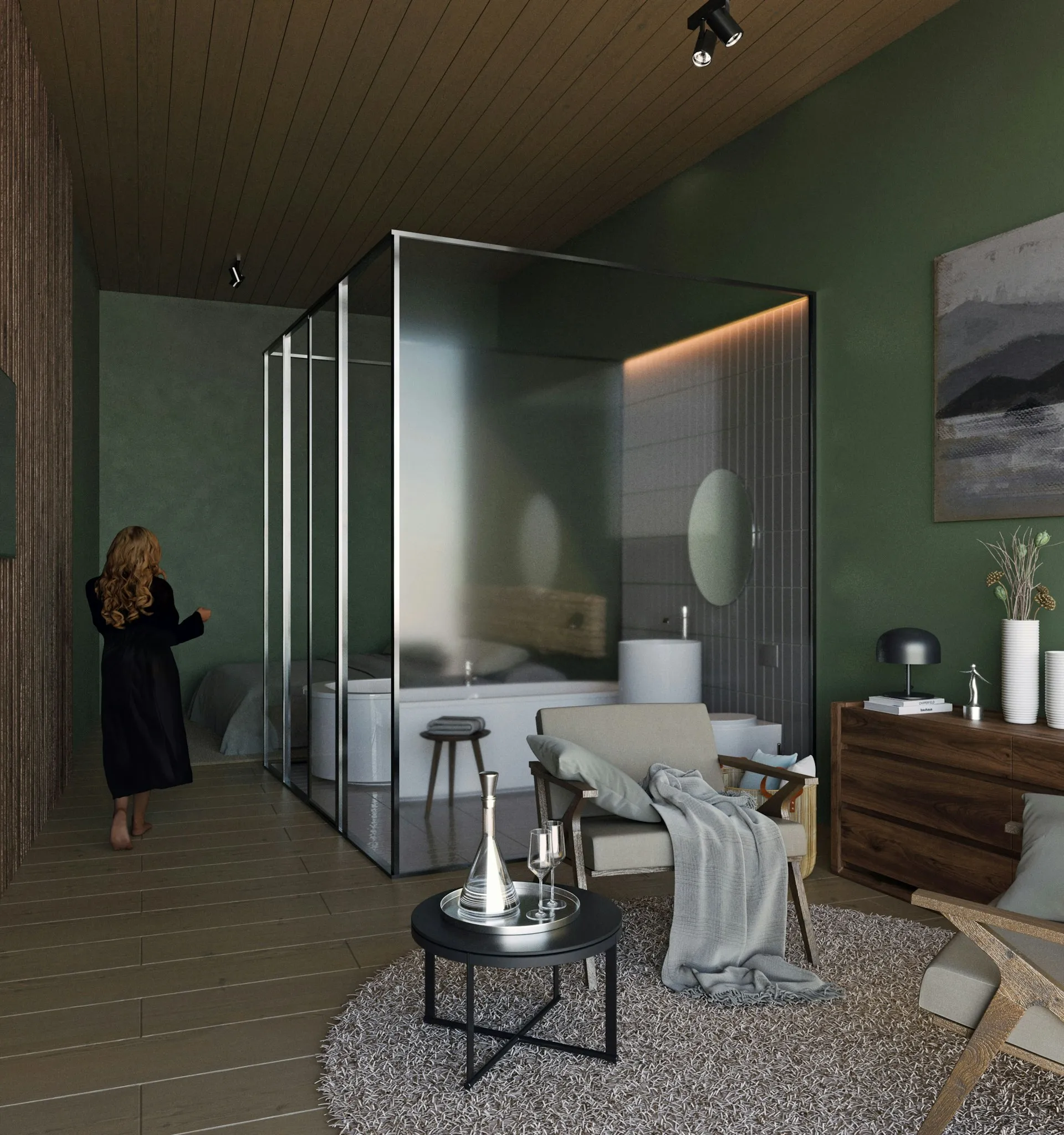

Photo by Olena Kamenetska on Unsplash
The baseline definition of premium accommodation has undergone a fundamental structural shift. Hotel suites and serviced apartments are no longer evaluated merely as neutral transit points for storing luggage or sleeping after a demanding day of corporate mobility. Instead, changing lifestyle patterns position high-end hospitality spaces as vital urban sanctuaries—functioning simultaneously as contemplative retreats and essential high-focus work environments engineered to restore creative energy.
This transition establishes new parameters for modern real estate layout and interior programming. Independent boutique venues and full-service residential developments adopt structural cues that blur the boundaries between professional hospitality, domestic ease, and tactile communal environments. Rather than projecting an imposing, highly polished luxury aesthetic, modern design resources focus on configuring spaces that actively lower cognitive stress.
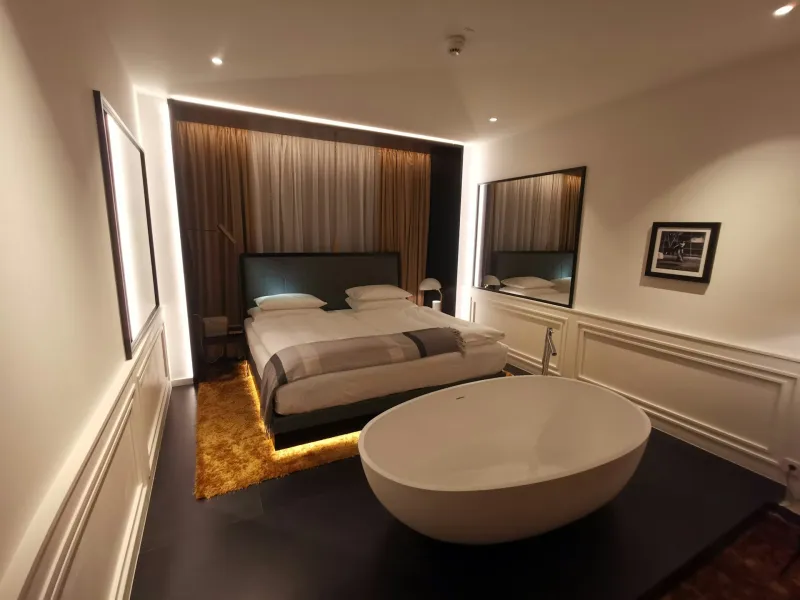
Photo by reisetopia on Unsplash
Premium Accommodations
The capacity of contemporary boutique developments and serviced residences to capture the attention of high-performance professionals stems from meticulous attention to micro-architecture. Design operates beyond superficial surface ornamentation, functioning as an integrated spatial solution.
The primary architectural components currently migrating into high-end vertical housing include:
•• Structural Biophilic Integration for Stress Reduction
Modern properties approach organic elements as core structural requirements rather than isolated aesthetic additions. Large floor-to-ceiling glass paneling looking directly onto internal vertical courtyards, unpolished local raw stone finishes, and continuous interior water movement work systematically to soften structural transitions and encourage psychological grounding from the point of entry.
•• Micro-Architecture: Embracing Warm Brutalist Textures
While historical luxury treatments leaned heavily on uniform marble and highly reflective surfaces, current curated spaces favor the organic variations of wabi-sabi. Exposed architectural concrete balanced against the rich grains of reclaimed teak wood serves as a highly sought-after interior pairing. Tactile wall finishes and low-glare ambient lighting accentuate geometric building planes, cultivating an intimate environment without appearing performative.
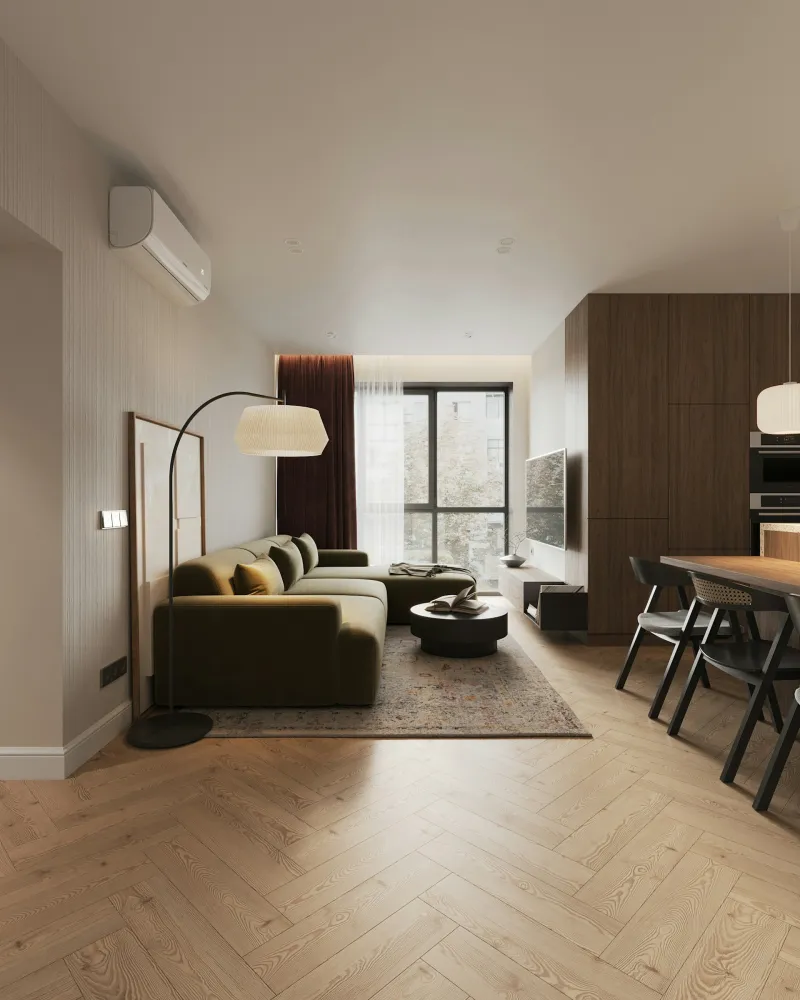
Photo by Prydumano Design on Unsplash
•• Integrated Deep-Work Environments
The expansion of remote executive functions renders standard hotel desks obsolete. Modern layouts integrate dedicated workspace alcoves featuring specialized task lighting, premium ergonomic seating, and secure high-speed digital connectivity. Select premium residences take this optimization further, introducing dedicated, acoustic listening alcoves equipped with high-fidelity analog playback to stimulate creative focus.
•• Calibrated Aromas and Acoustic Soundscapes
The contemporary residential experience addresses sensory perception holistically. High-end boutique operators curate unique, nature-derived interior scent identities, frequently blending cedarwood, vetiver, and bergamot profiles. Complemented by precision-engineered acoustic insulation and curated background frequencies in shared spaces, these architectural layers function together to mask external municipal noise pollution.
Implications for Urban Real Estate: The Blueprint for Future Housing
The success of the hospitality sector in developing these highly restorative environments directly reshapes consumer expectations for permanent residential properties. These design approaches now serve as the primary references for custom urban condominiums and private architectural commissions. Premium residents increasingly expect these sensory-calming elements to be standard features within their daily living environments.
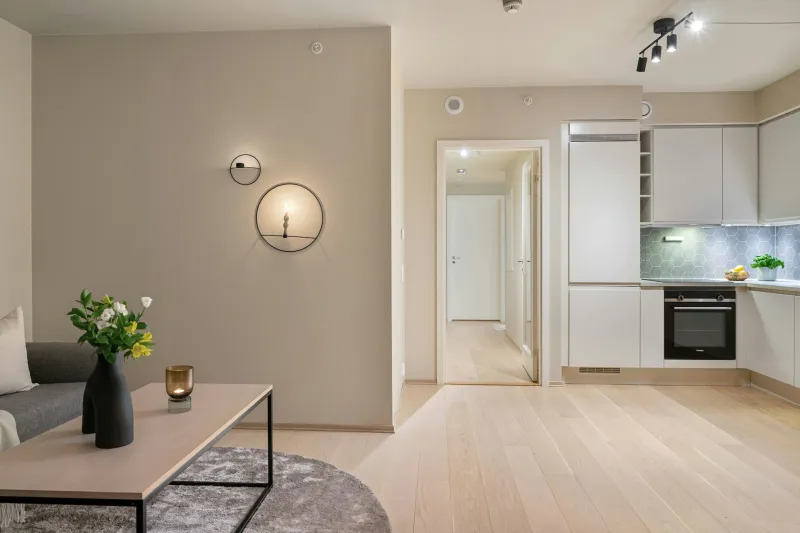
Photo by Alex Tyson on Unsplash
Consequently, hidden smart-home technology, textured natural materials chosen for longevity, and optimized daylighting strategies have moved from luxury upgrades to baseline design expectations. The architectural field is adjusting by shifting away from rigid, compartmentalized layouts in favor of open, fluid, and adaptive floor plans that mimic the emotional ease pioneered by top-tier boutique properties [Boutique Hotel Design: Urban Sanctuary].
"The most effective rooms are not defined by sheer square footage or ornate decoration, but by their structural capacity to rebuild focus after intense digital saturation."
Reclaiming Human Scale Through Mindful Design
The prestige of modern architecture is no longer calculated by material gleam, but by the spatial capacity to offer genuine decompression within a hyper-connected society.
"Boutique architecture demonstrates that a home should not merely warehouse objects; it must operate as a sensory filter that moderates the chaos of the outside world."
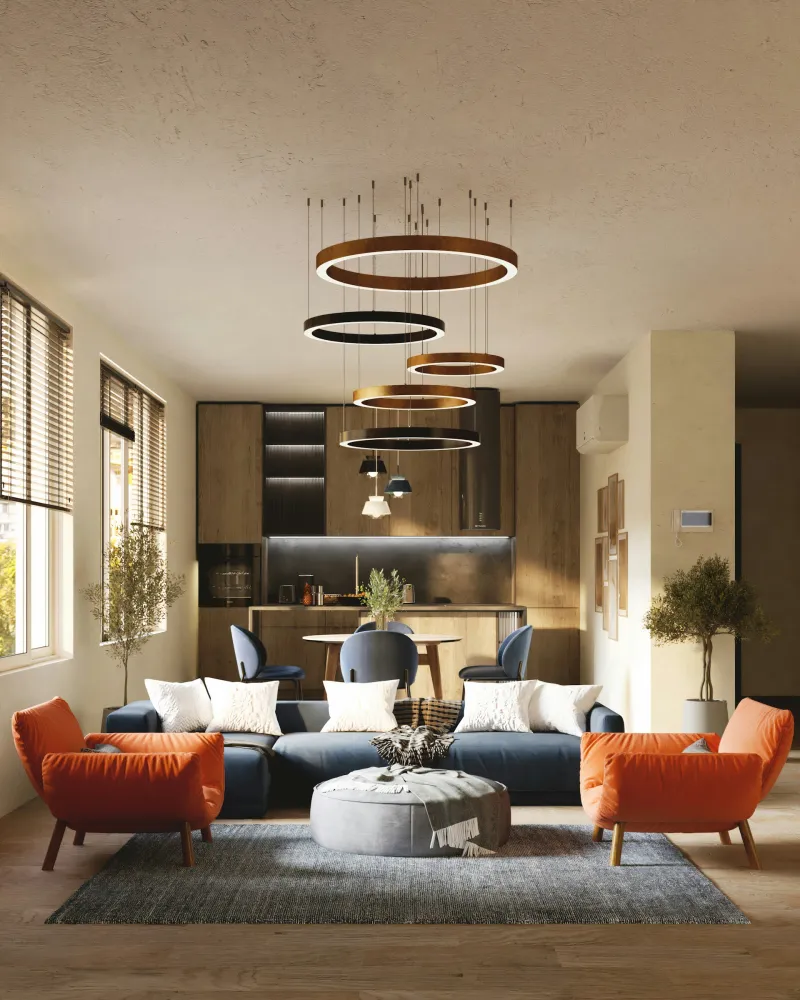
Photo by Ali Moradi on Unsplash
WRAP-UP!
The clear migration of urban living design cues toward boutique hospitality frameworks demonstrates that modern residential architecture must align with the psychological requirements of its occupants. By combining structural biophilia, warm tactile raw materials, intuitive workspaces, and comprehensive sensory curation, contemporary accommodations establish a new standard for balanced living. This philosophy delivers functional spatial solutions that support long-term mental clarity inside competitive city environments.
To apply these insights practically, schedule a focused design observation visit to an independent boutique property or managed residence prioritizing an urban sanctuary theme. Use the time to analyze the architectural choices: note how the layout handles natural transition lighting, evaluate the textural impact of exposed concrete or unpolished woodwork, and observe how the work area integrates into the wider living zone without disturbing the restful atmosphere. Identify the specific tactile details or layout patterns that most effectively quiet your focus, and consider implementing these exact micro-architectural principles into your home office or master bedroom to enhance your daily living space.
Looking to feature your brand and business through Alinear Indonesia’s Smart Publication & Smart Activation? Share your experience and consult with us today. Click here!


![Alinear Indonesia [Brand/Business Registration] Smart Publication & Smart Activation](https://www.alinear.id/assets_web/images/qr-codes/3e23e7dab43d2e72854ba48a3a09cf75.jpg)