

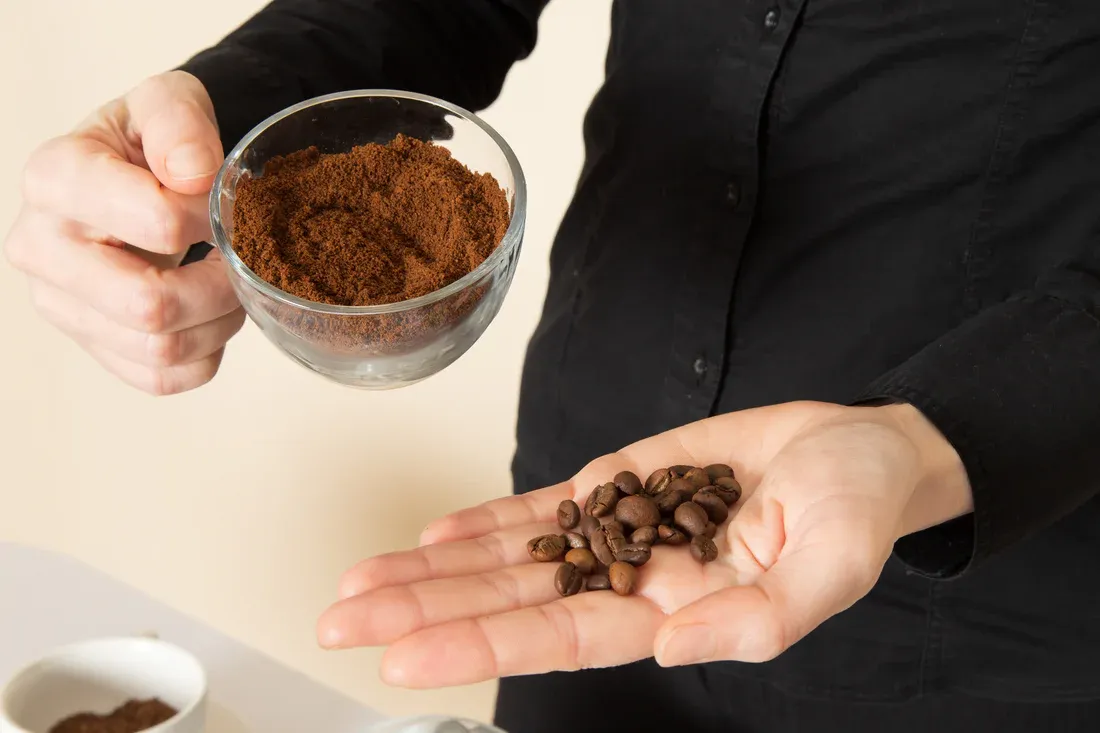

Photo source by Blue Arrow Coffee (Web)
The global and local commercial beverage sectors consistently face operational strains regarding production waste at both the agricultural and retail levels. Within traditional post-harvest processing frameworks, the outer flesh of the coffee cherry is routinely separated and discarded to isolate the inner seed, frequently accumulating as agricultural runoff that releases methane gas. Concurrently, down-funnel urban retail operations generate massive streams of single-use plastic and paper lining waste that burden waste management systems.
This systemic friction has catalyzed a paradigm shift among progressive baristas and beverage directors. Operational focus has transitioned toward absolute utilization, looking at the entire anatomy of agricultural yields and surrounding natural resources. Through deliberate menu engineering that upcycles structural by-products and integrates natural serving alternatives, industry leaders demonstrate that overlooked components can be converted into high-margin menu fixtures without sacrificing contemporary aesthetic presentation.

Photo source by Coffee Friend (Web)
Cascara, Sensory Profiles, and Natural Vessels
Integrating cascara and reclaimed coconut shells into premium beverage programs marks an advanced evolutionary stage in menu curation. Evaluating these materials alongside traditional retail supplies reveals how structural constraints generate distinct sensory and operational advantages.
Executing a circular beverage menu alters structural café operations across several core indicators.
Sensory taxonomy and material characteristics, cascara introduces a completely different flavor matrix compared to standard roasted bean extractions. Steeping the dehydrated outer husks yields a clean, honey-hued infusion characterized by a fruit-forward, herbal-tea profile with notes of dried hibiscus, rosehip, and complex cherry sweet-tartness, backed by exceptionally high antioxidant densities. When this infusion is served cold or warm inside smoothed, food-grade coconut shells, the natural oils within the vessel impart a subtle, grounding aroma that enhances the delicate, earthy properties of the brew.
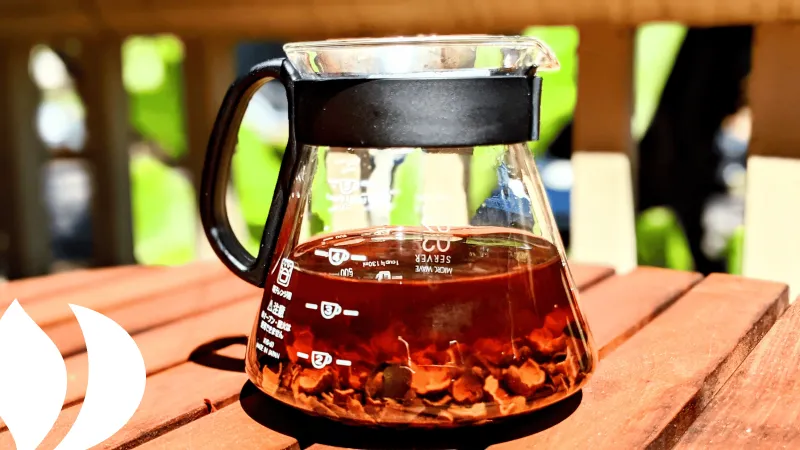
Photo source by Sustainable Harvest (Web)
This shift in service material directly changes inventory management and procurement frameworks. While conventional models require substantial capital outlays for single-use paper supplies or high-maintenance glassware lines prone to breakage, introducing standardized coconut shells offers a highly durable, naturally biodegradable alternative sourced directly from local agricultural processors. This structural substitution reduces recurring overhead while delivering unique experiential value to consumers.
This closed-loop menu structure yields a measurable compression of local municipal waste. By creating commercial demand for cascara, retailers help stabilize farm-level revenues by buying up harvest side-streams, while using coconut vessels actively diverts raw synthetic materials from the procurement line. This tactical approach isolates and resolves waste creation at the point of origin, aligning with the waste-mitigation models explored in [Circular Kitchen: Restoran Zero-Waste].
The Strategic Capital of Circular Architecture in F&B Retail
Constructing a beverage program rooted in zero-waste architecture serves as a sophisticated differentiator in saturated lifestyle markets. Modern consumer demographics display high alignment with enterprises that demonstrate explicit ecological transparency across their entire operational footprint. Introducing menu items that carry an inherent narrative of source preservation elevates the emotional value (perceived value) of the brand, converting standard consumption into a participation in sustainability.
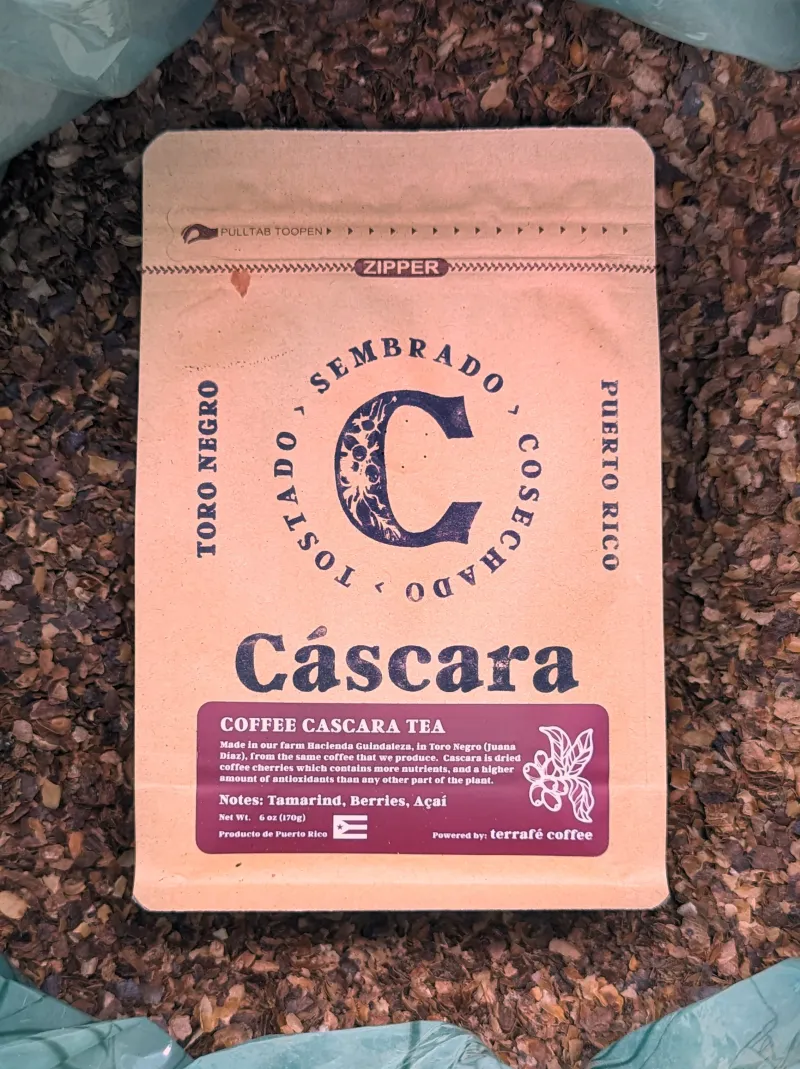
Photo source by Terrafe Coffee (Web)
Optimizing agricultural side-streams also serves as a critical pillar supporting long-term financial resilience, as discussed in [Circular Kitchen: Restoran Zero-Waste]. By converting raw materials that previously carried zero commercial value into anchor menu offerings, operators secure excellent profit margins while building an adaptive supply chain insulated from the price volatility of traditional wholesale commodities.
"True culinary freshness is realized when the spatial distance between the soil where the seed was nurtured and the table where the dish is enjoyed is compressed to a minimum."
Honoring the Integrity of the Complete Agricultural Cycle
Developing responsible beverage initiatives reflects an analytical commitment to enjoying global agricultural commodities without generating structural deficits for the ecosystem.
"A brilliant beverage program leaves no trace behind; it seamlessly routes the entire anatomy of the harvest back into a continuous loop of sensory and structural value."
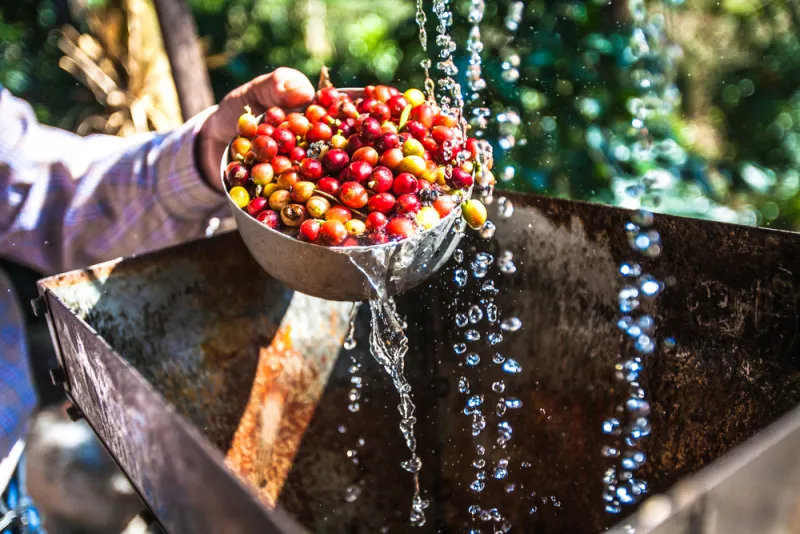
Photo source by Beauty Journal (Web)
WRAP-UP!
The rising adoption of cascara programs and upcycled coconut vessels proves that the long-term viability of the urban F&B sector rests on circular adaptability. By reframing processing waste as premium raw input, modern beverage concepts secure unique flavor horizons while establishing rigorous new benchmarks for low-impact commercial operations. This shift demonstrates that the creative utilization of by-products remains a powerful mechanism to preserve corporate relevance and resource stability over long horizons.
For coffee house proprietors, beverage directors, and retail operations managers aiming to implement these practices, the primary tactical step is establishing direct sourcing lines with regional coffee mills to secure food-grade, cleanly dehydrated cascara stocks. Begin testing small-batch chilled infusions balanced with local botanical element syrups, and introduce standardized, polished coconut serving lines configured for commercial sanitization systems. Feature clear, brief technical notes on menus regarding the waste-reduction metrics of these items to build active eco-literacy among your clientele.
Looking to feature your brand and business through Alinear Indonesia’s Smart Publication & Smart Activation? Share your experience and consult with us today. Click here!


![Alinear Indonesia [Brand/Business Registration] Smart Publication & Smart Activation](https://www.alinear.id/assets_web/images/qr-codes/3e23e7dab43d2e72854ba48a3a09cf75.jpg)