










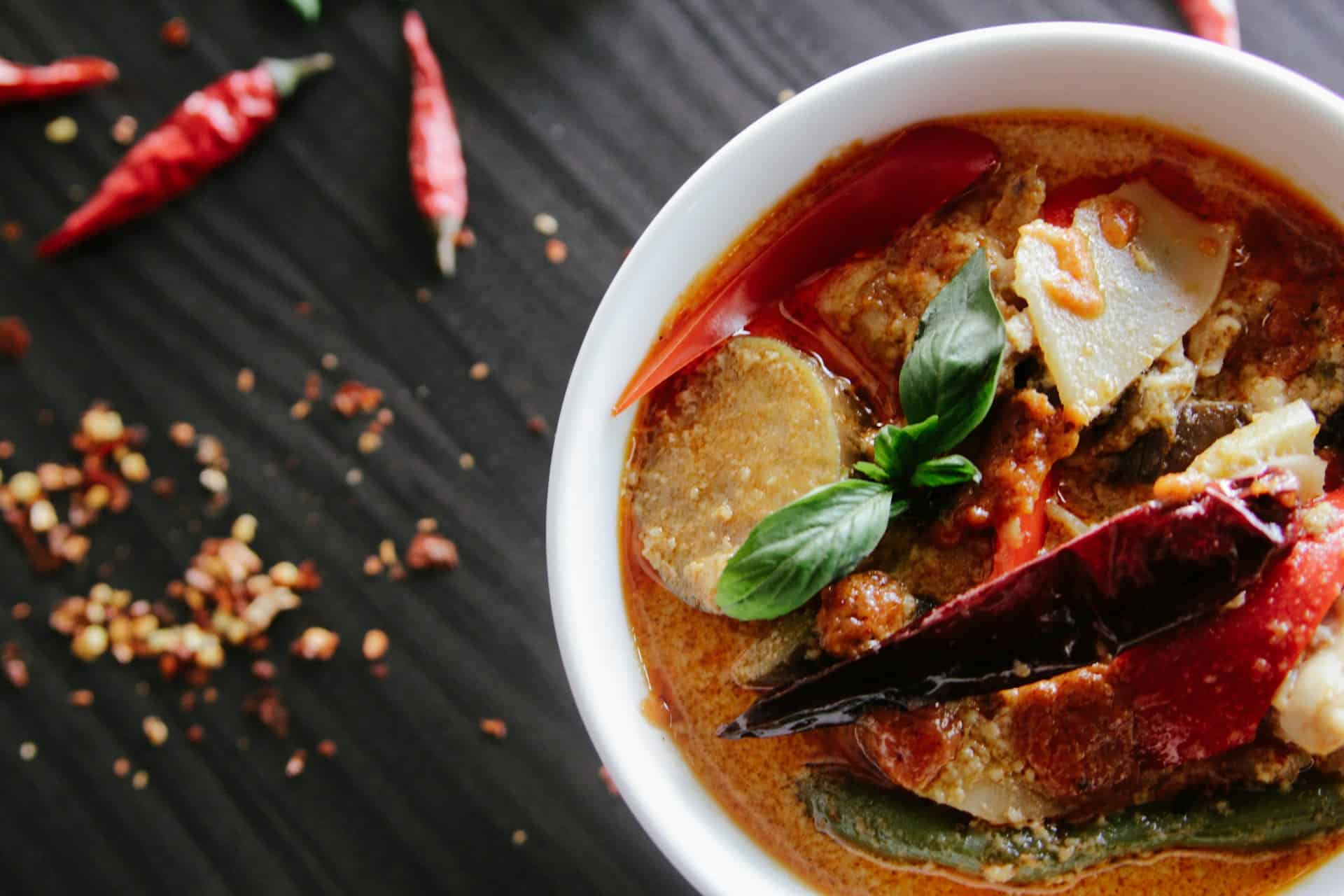
"Sambal is no longer just a condiment; it is the main star on Indonesia's culinary stage. From Sichuan-style chili oil to creamy dips, local sambal is transforming into a superstar ready to conquer global palates."
For years, sambal has always been synonymous with one thing: burning heat. However, in recent times, the F&B landscape in Indonesia is witnessing a sambal revolution. Innovation is now shifting significantly; it's no longer about the highest level of spiciness, but the depth of flavor, unique texture, and new, more flexible functions of sambal. Nusantara Sambal has leveled up, becoming a respected artisan product ready to fill modern kitchens, both domestically and internationally.
This trend is driven by consumers' desire for authentic flavors that are easily accessible, as well as boundless experimentation from chefs and culinary entrepreneurs. Here are the three main focus areas of the rising sambal trend.
Sambal as a Local & Global Fusion
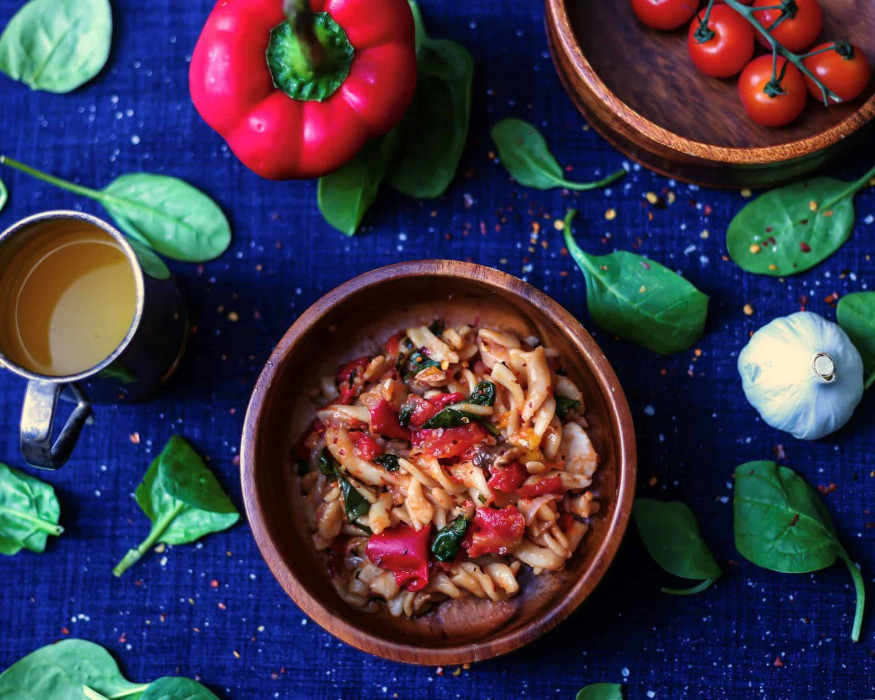
Photo by Lucy Hinde on Unsplash
The sambal trend is now widely adopting global techniques and functions, signaling sambal's readiness to penetrate the international market. Sambal Ikan Roa or Cumi (Squid) packed in generous oil, for example, is now known as Indonesian-style Chili Oil—a fusion that is widely accepted as a versatile seasoning. Sambal's function has also dramatically expanded; it is not just eaten with rice and side dishes, but also used as a salad dressing, a rich dipping sauce for nuggets or french fries, and even a unique topping for pizza or pasta. Chefs are now free to create sambal with touches of foreign spices, resulting in complex flavor profiles: a harmonious blend of spicy, sour, sweet, smoky, and umami in one spoonful.
Practical Packaging and Home-Made Quality
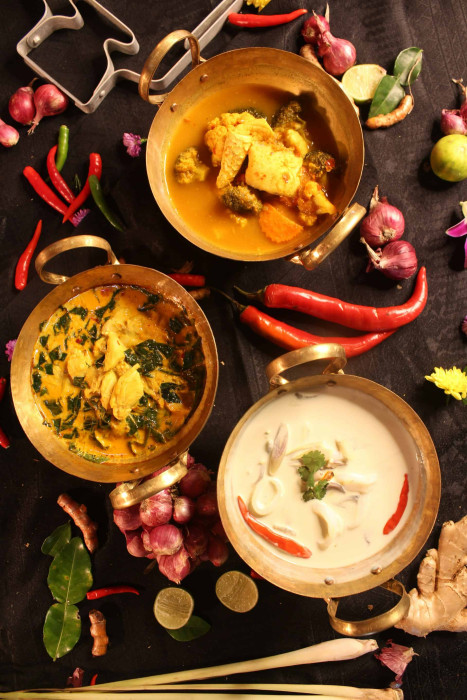
Photo by Thavatchai Samui on Unsplash
The demand for ready-to-eat packaged sambal (in jars or bottles) is increasing rapidly due to the fast-paced modern lifestyle. Modern consumers want instant convenience but are unwilling to sacrifice the authentic home-made quality flavor. Therefore, the main challenge for brands is mimicking the fresh flavor of newly crushed sambal, which involves meticulous sterilization processes and careful selection of raw ingredients. Successful packaged sambals in the market are those capable of retaining their original aroma and texture. Ranging from long-lasting Sambal Bawang (Onion Sambal), instant aromatic Sambal Matah, to Sambal Terasi (Shrimp Paste Sambal) with added dried shrimp—these products are becoming the essential signature items of many rising home-based brands, promising consistent quality.
The Next Level Sambal: From Fried to Grilled and Smoked
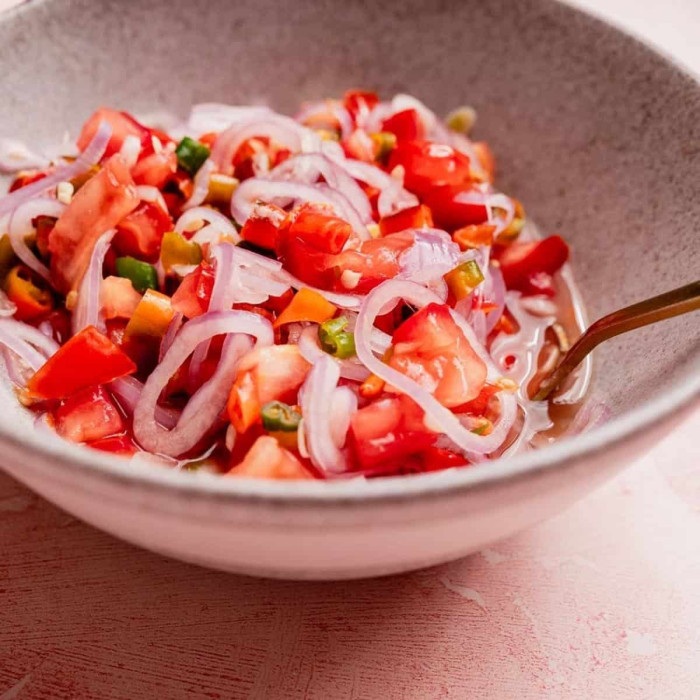
Photo by MOON and spoon and yum
Innovation is also occurring in processing techniques that produce different flavor depths. Sambal is no longer exclusively fried or boiled. The Smoked Chili (Sambal Asap) trend provides a deep and luxurious smoky dimension, achieved through the smoking technique applied to chili or spice ingredients, which pairs perfectly with grilled meat or side dishes. Meanwhile, variations like Sambal Dabu-Dabu, which is fresh with slices of tomato and raw chili, serve as a perfect counterpart to fried or smoked dishes. The presence of these fresh sambals shows that the spicy flavor spectrum can also offer freshness and brightness, not just dominant heat.
WRAP-UP!
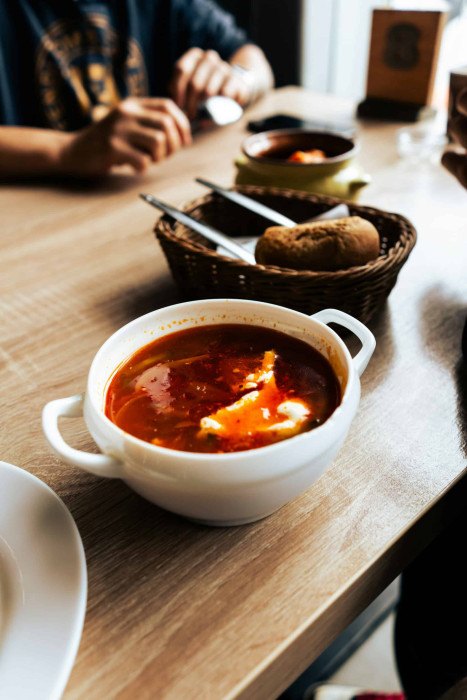
Photo by Kirill Fokin on Unsplash
F&B Challenge: Nusantara Sambal is our cultural flavor heritage. Going forward, successful brands are those that sell not only the level of heat but also the story behind the recipe, the uniqueness of the spices, and the broad functional innovation of the sambal itself. What sambal tells the story of your region?