

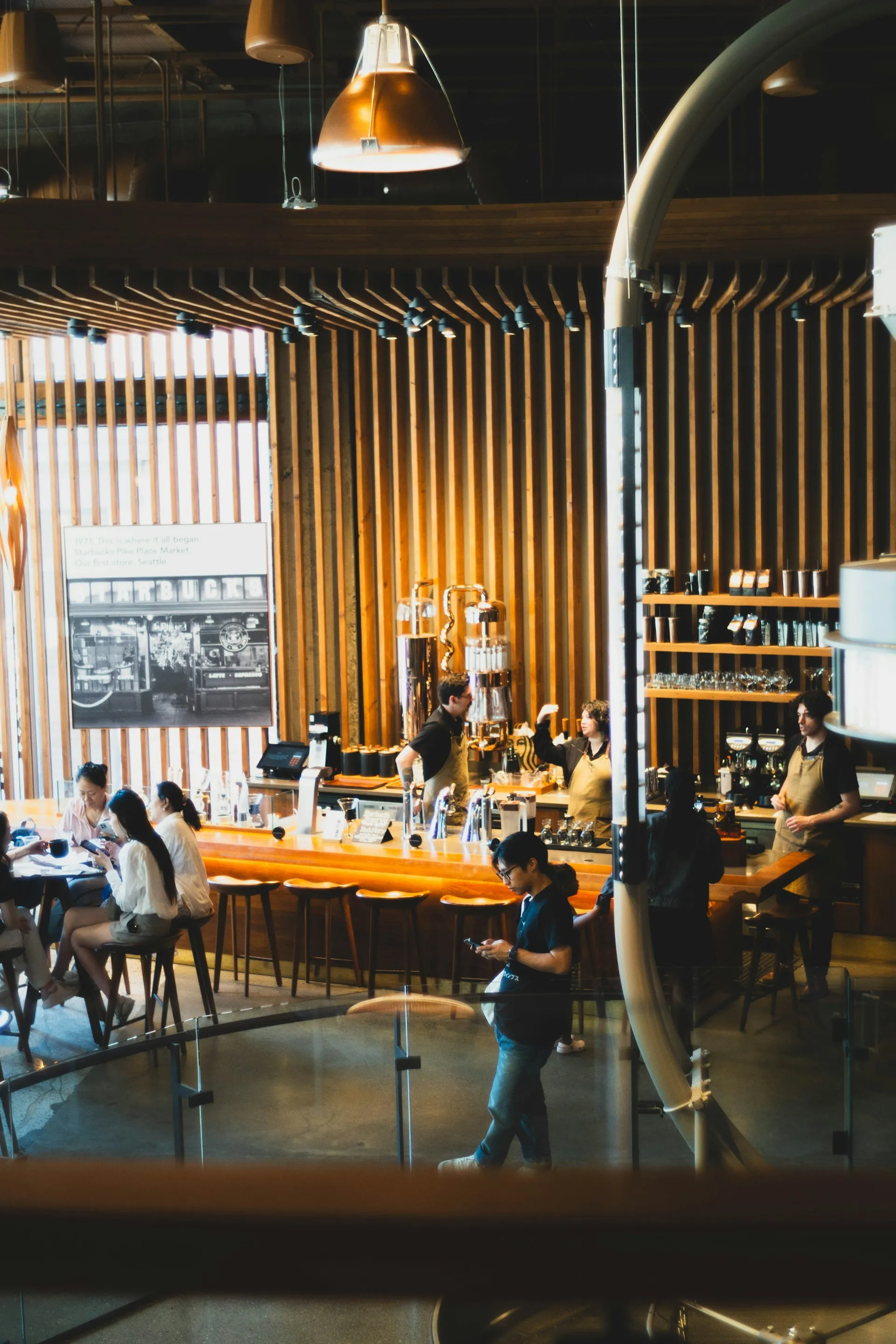

Photo by Madeline Liu on Unsplash
The face of spatial planning in various centers of growth is becoming increasingly aesthetic and functional thanks to the expanding trend of Old Warehouse Revitalization. This phenomenon focuses on repurposing industrial areas that were once abandoned, as well as former warehousing complexes on the fringes of main business districts. Instead of demolishing existing structures, this wave of adaptive architecture repurposes these vacant spaces into multifunctional Creative Hubs without losing the original architectural character, which is deeply infused with an industrial-retro nuance.
Communal Space and Integration of the Creative Ecosystem
This transformation successfully creates new communal venues that integrate various sub-sectors of the creative industry simultaneously. Within these robust structures, one can now find rows of fine art studios, flexible co-working spaces, independent theaters for performing arts, and retail areas dedicated specifically to a curation of local products. This pop culture phenomenon has been empirically proven capable of reviving urban areas that were originally dormant, changing them into centers of new energy where innovators, creators, and thinkers across disciplines meet.
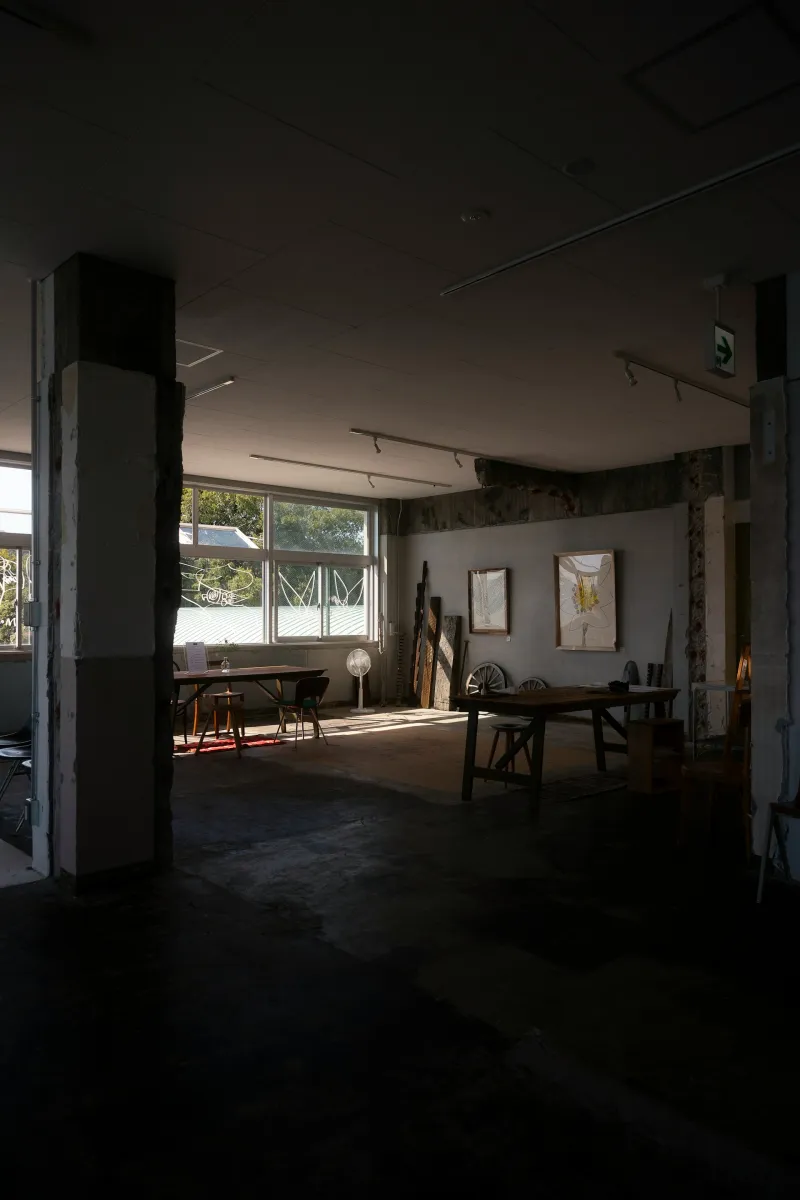
Photo by Gaku Suyama on Unsplash
"Bringing obsolete concrete walls back to life as communal spaces that throb with the ideas and innovations of the future."
Spatial Venues with the Independent Cinema Movement
The presence of these urban community-based creative venues automatically provides strategic infrastructure to facilitate various independent cultural events, such as a Local Short Film Festival. The spacious nature of warehouse buildings, which possess high layout flexibility, makes them ideal locations for alternative screening rooms, panel discussions, and audiovisual art installation exhibitions. This synergy not only expands public access to non-commercial works but also strengthens the film ecosystem from the grassroots level.
Redefining City Identity Through the Preservation of Public Memory
The industrial space revitalization movement offers a new perspective on how a modern city should develop. The progress of an area is not always identified with the construction of new glass skyscrapers, but rather with the ability to re-contextualize the collective memories of the past for today's functional needs. By preserving the physical structure of industrial history and filling it with dynamic creative economic activities, urban society successfully builds an environmental identity that is inclusive, sustainable, and highly competitive.
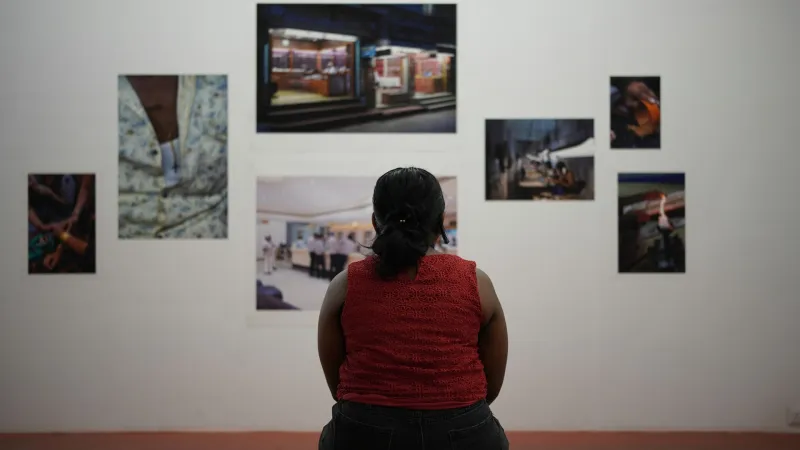
"When the architecture of the past blends with the imagination of today, space does not merely stop at being a place of shelter, but is transformed into a canvas for the birth of legendary works."
WRAP-UP!
The revitalization of old warehouses into creative hubs proves that adaptive architectural approaches are capable of providing sustainable spatial and cultural solutions in urban areas. These restoration projects successfully turn spatial limitations into the primary catalyst for community growth and creative economic innovation. Are you interested in exploring further how the retro industrial spaces around you are transforming into modern collaborative hubs, or do you want to delve into the agenda of the next independent art festival?
Looking to feature your brand and business through Alinear Indonesia’s Smart Publication & Smart Activation? Share your experience and consult with us today. Click here!



![Alinear Indonesia [Brand/Business Registration] Smart Publication & Smart Activation](https://www.alinear.id/assets_web/images/qr-codes/3e23e7dab43d2e72854ba48a3a09cf75.jpg)