

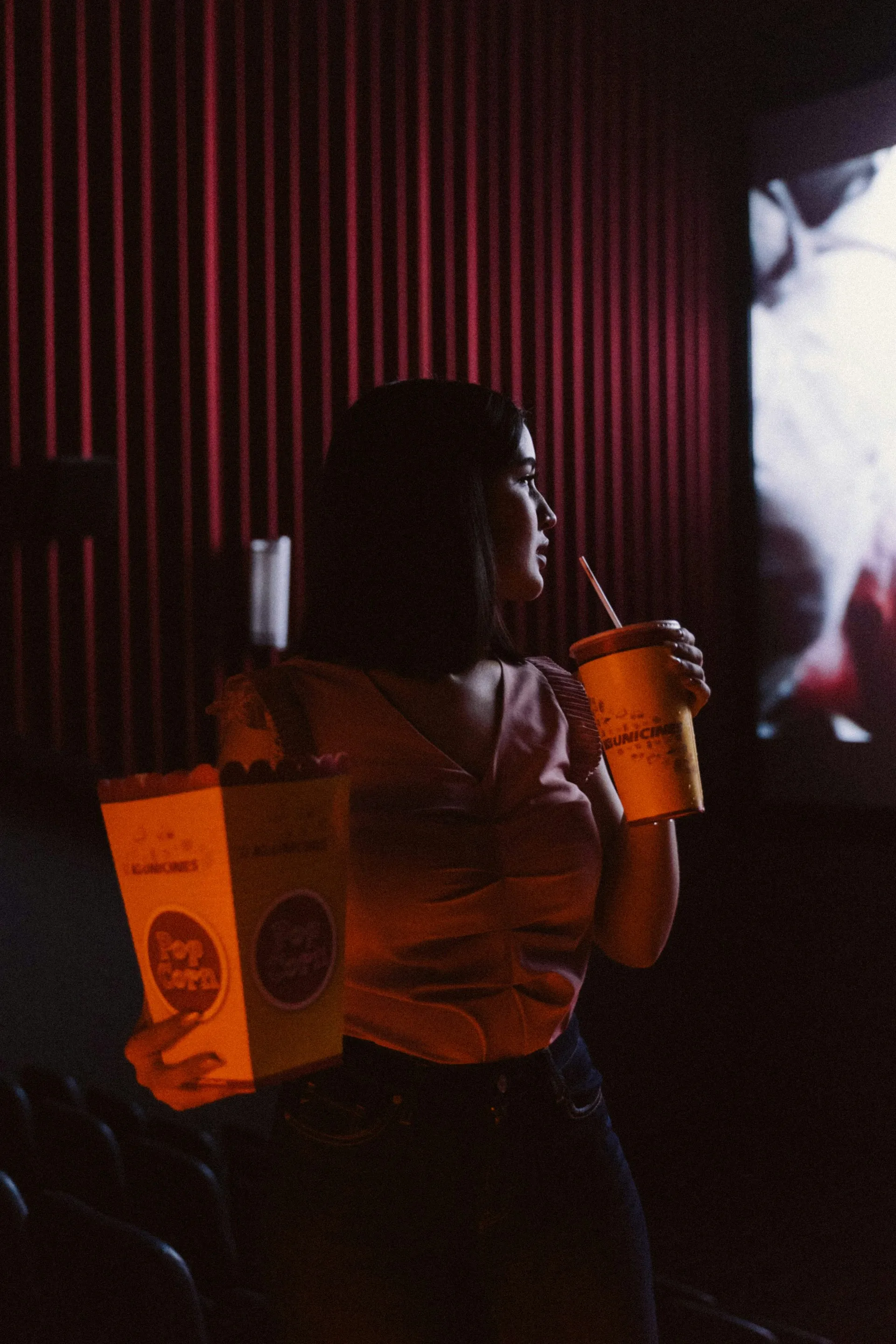

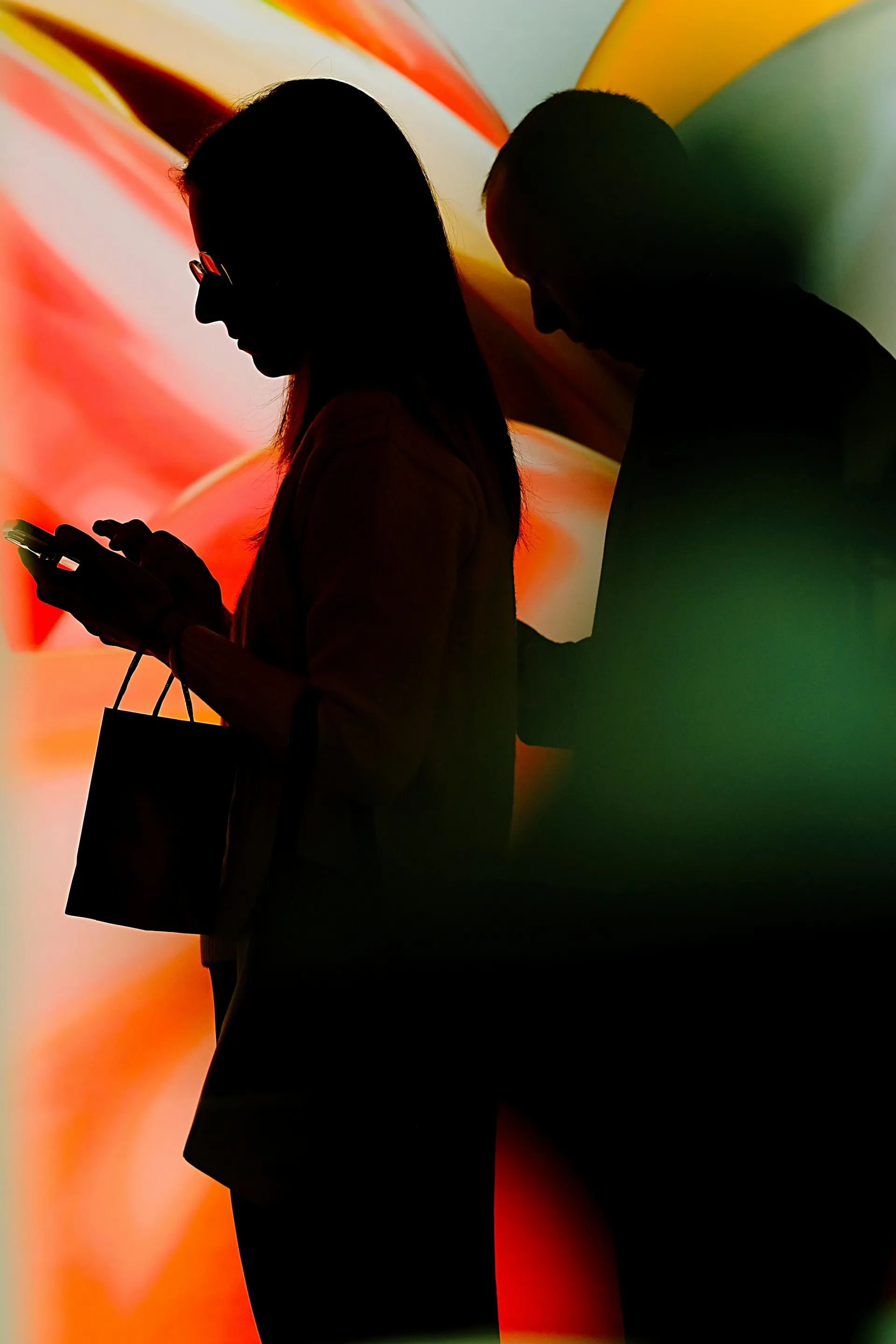
Photo by Felipe Bustillo on Unsplash
The contemporary media landscape is dominated by engineering designed around rapid pacing, instant engagement, and aggressive editing loops. Continuous exposure to short-form video assets algorithmically conditions human cognitive faculties to demand structural stimulation within seconds. Consequently, the average attention span undergoes severe fragmentation, contributing to mental fatigue and a diminishing capacity to engage with deeper narratives that require patient focus.
Amid this highly demanding media environment, a quiet yet significant cultural counter-movement has emerged: Slow Cinema Appreciations. This shift operates as more than an alternative genre preference; it serves as a direct manifesto against the acceleration of visual communication. While mainstream distribution channels prioritize faster cuts and heightened sensationalism, slow cinema applies an intentional emergency brake, inviting audiences to reclaim control over their time and perception.
Contemplative Aesthetics: Finding Power in Duration and Silence
Appreciating slow cinema requires a foundational recalibration of how time is processed on screen. These films consciously abandon traditional narrative structures that rely on heavy expository dialogue or rapid, plot-driven conflict resolution.
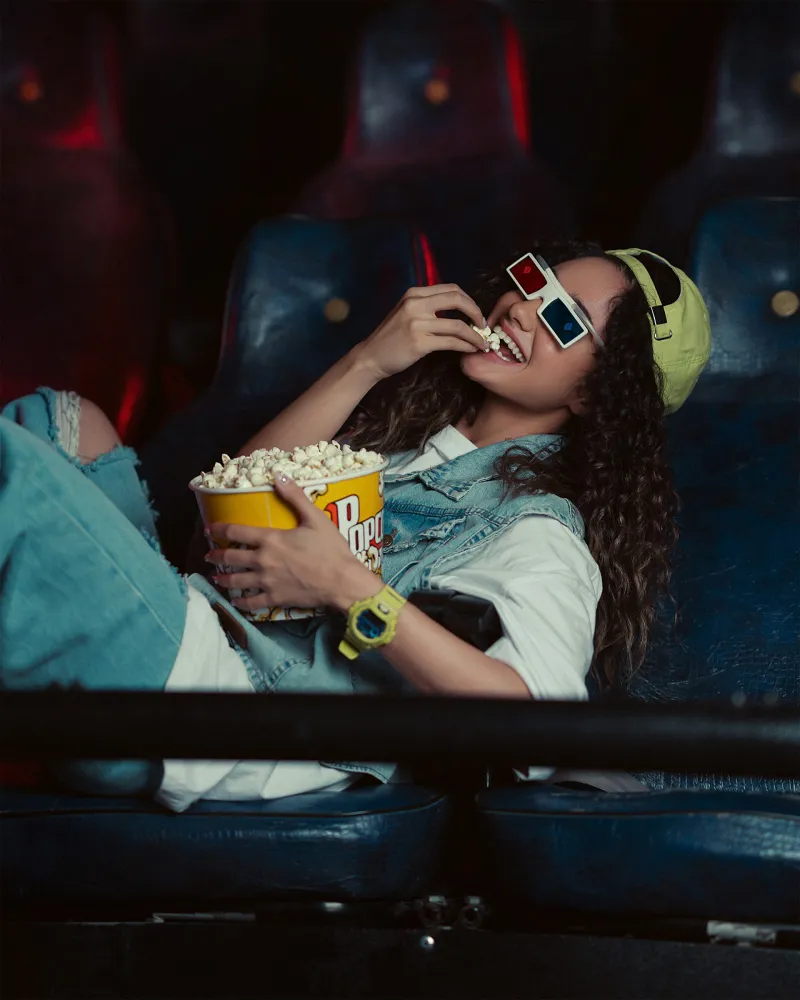
Photo by mahdi chaghari on Unsplash
Instead, the aesthetic foundation is constructed upon three distinct visual pillars:
–– The Intentional Use of Long Takes
The camera remains static or moves with deliberate slowness, recording a scene without editing interruptions for minutes at a time. This technique allows reality within the frame to breathe naturally, encouraging the viewer to observe subtle shifts in light, moving shadows, and micro-spatial details that are typically lost in fast-paced editing.
–– Quiet Observation and Minimal Dialogue
Verbal communication is removed as the primary driver of the plot. Silence, paired with nuanced environmental ambient audio, is elevated to an organic narrative tool equal to any musical score. Viewers are positioned as observers, invited to feel the emotional weight of a character through understated physical gestures rather than explicit statements.
–– The Poetic Exploration of Space and Time
The physical environment inhabited by the characters transcends its traditional role as a passive backdrop, operating instead as an active subject. The camera pays direct homage to architectural geometry, the stillness of empty rooms, and the slow rhythm of natural landscapes, converting the viewing experience into a profound spatial exploration.
Visual Meditation: Navigating Curated Digital Platforms and Physical Spaces
Engaging with slow cinema has increasingly taken on a therapeutic role akin to visual meditation. This practice encourages cognitive decompression, helping lower heart rates and calm nervous systems overtaxed by continuous daily connectivity. Watching cinema at a contemplative pace serves to retrain the brain's capacity for deep, sustained cognitive focus.
The distribution and exhibition frameworks supporting this movement highlight compelling adjustments within modern media economics. Access to these alternative moving images is heavily anchored by curated digital streaming architectures (Over-The-Top networks) that specialize in preserving global art-house catalogs and restored classics. Concurrently, independent community screening rooms and local film festivals retain an irreplaceable cultural role. These physical environments provide essential device-free sanctuaries, creating a dedicated viewing ritual where post-screening discussions enrich the collective interpretation of visual art [The Death of Cinema? Festival vs OTT].
"Slow cinema reminds us that the ultimate power of a film does not rest in how quickly its plot moves, but in how long its imagery remains embedded within our consciousness."
Allowing the Visual Memory to Settle Beyond the Screen
The enduring strength of cinema does not rest on how aggressively it pulls at immediate emotions, but on the quiet, poetic space it leaves behind within the mind.
"In an era where every piece of media screams for attention, the silence and extended duration of slow cinema represent the ultimate aesthetic luxury, liberating the viewer's mind."
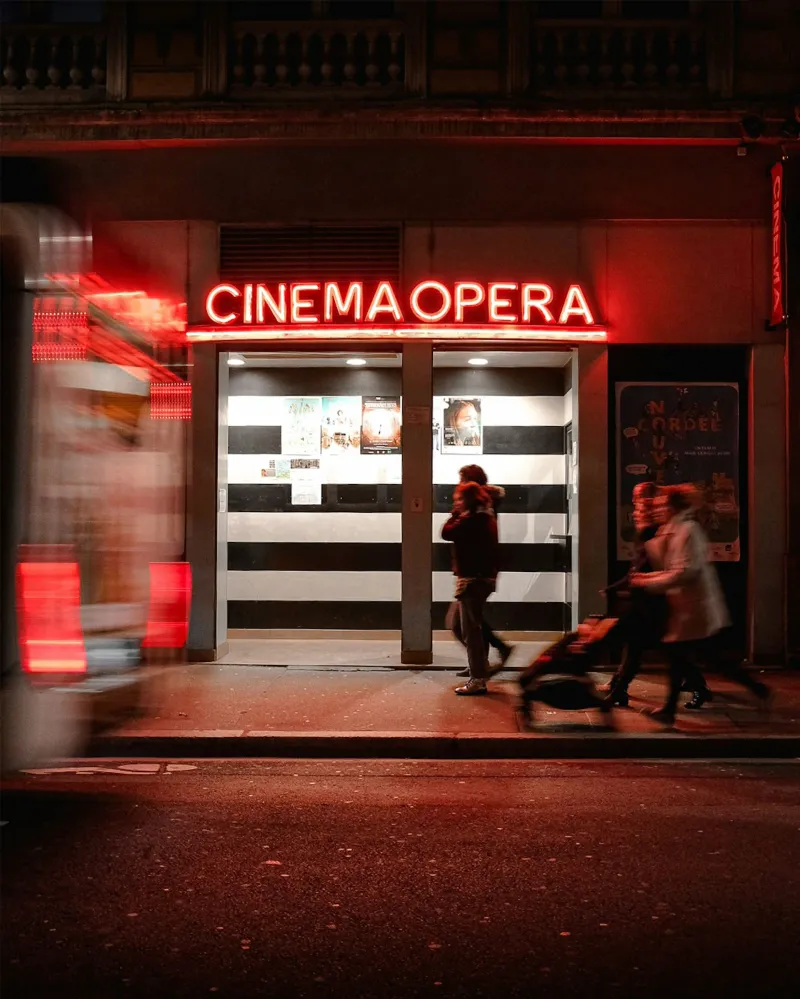
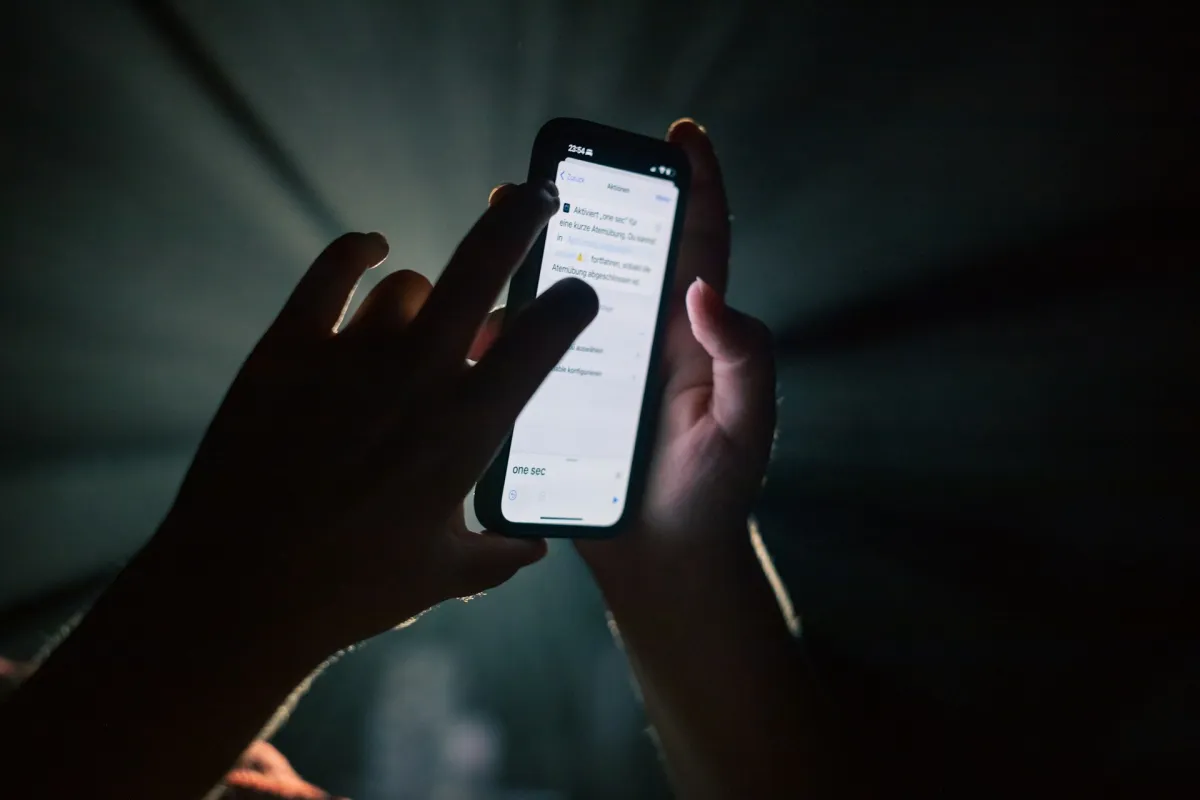
Photo by Sylvain Gllm on Unsplash
WRAP-UP!
Slow Cinema Appreciations represent an essential spiritual and intellectual oasis within an instantaneous lifestyle culture. By prioritizing poetic visual language, uninterrupted long takes, and patient observation, this cinematic approach successfully helps audiences rebuild their focus capacity away from digital overstimulation. Whether accessed through curated streaming applications or within the focused intimacy of a community screening room, slow cinema proves that lowering the rhythm of media consumption is a profound investment in maintaining cognitive clarity and deep artistic appreciation.
For the upcoming weekend, organize a dedicated evening for a personal or group cinematic retreat. Select a title from a curated film streaming platform or attend an independent community screening that highlights contemplative narratives. Silence your mobile devices entirely, dim the house lights, and approach the screen not as a passive consumer seeking quick entertainment, but as an active visual explorer ready to slow your pulse. Allow yourself to settle into extended long takes without interruption, observe how the stillness on screen communicates, and feel those poetic visuals settle slowly into your long-term cognitive memory.
Looking to feature your brand and business through Alinear Indonesia’s Smart Publication & Smart Activation? Share your experience and consult with us today. Click here!

![Alinear Indonesia [Brand/Business Registration] Smart Publication & Smart Activation](https://www.alinear.id/assets_web/images/qr-codes/3e23e7dab43d2e72854ba48a3a09cf75.jpg)