











"Today’s cinema feels like our childhood living rooms. A remake is an unspoken promise: it guarantees a familiar story, proven emotions, and the happy ending we know is coming."
Photo by Polina Shirokova on Unsplash
Look at the list of highest-grossing films over the last few years—or the latest streaming projects. You will find titles that feel remarkably familiar: reboots of classic cartoons, sequels to franchises we loved in elementary school, or live-action versions of old fairy tales. This is the "Nostalgia Filter" currently casting a shadow over the entertainment industry.
Why does Hollywood, with all its creative resources, constantly return to stories from the 90s and 2000s? Is it merely a sign of creative fatigue, or is there a deeper psychological reason and business strategy that makes us, as viewers, willing to pay a premium for stories we already know by heart? The answer lies in the inseparable link between social anxiety and our need for emotional comfort.
Jawabannya terletak pada hubungan tak terpisahkan antara kecemasan sosial dan kebutuhan kita akan kenyamanan emosional.
The Psychology—Seeking Comfort in the Past
In a world moving at lightning speed—filled with political, economic, and technological uncertainty—the human brain instinctively seeks safety. Nostalgia functions as the psychological "warm blanket" we crave:
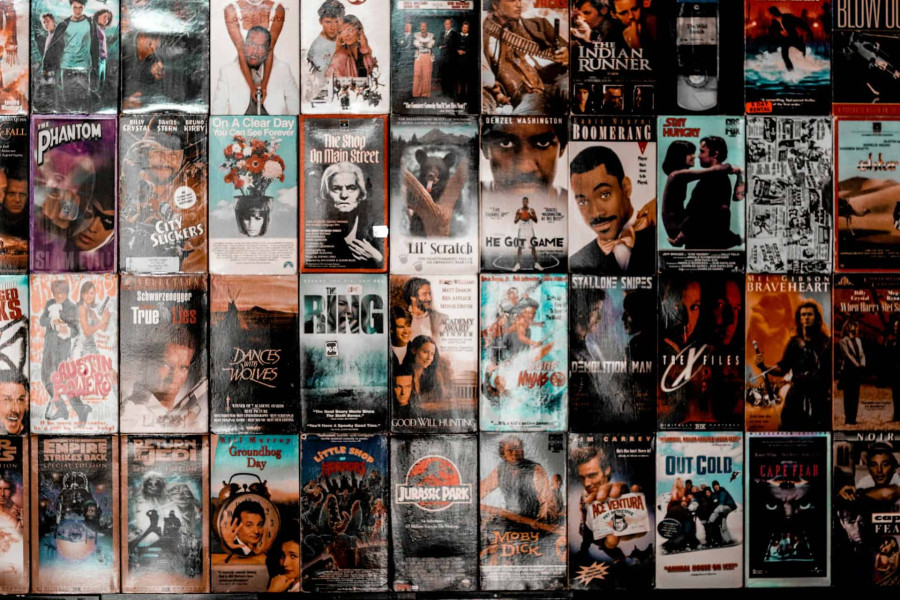
Photo by Tyson Moultrie on Unsplash
1. The Romanticized Past (The Safe Haven)
For Millennials and early Gen Z, 90s and 2000s films represent childhood or adolescence—periods perceived as simpler and more stable. When we watch a remake, we aren't just watching a movie; we are visiting a younger, carefree version of ourselves. A reboot offers an emotional reprieve from the pressures of adult life.
2. Intergenerational Social Bonding
Remakes provide a shared language. Parents who grew up with original classics can share those experiences and stories with their children. This togetherness strengthens social and family bonds, creating a cycle of loyalty toward the same franchise.
3. Tested and Guaranteed Emotions
New ideas always carry risk; audiences don't know if they will connect with new characters. Conversely, a remake guarantees familiar emotions. We know we will laugh at certain scenes and cry at the climax. In a crowded entertainment market, a remake is a safe emotional investment.

Photo by Luan Fonseca on Unsplash
The Business Logic—Minimizing Market Risk
From a studio's perspective, a remake is a brilliant business move, especially in the era of super-blockbusters where a single failure can result in hundreds of millions in losses.
1. A Pre-Sold Concept
A remake doesn’t require an expensive marketing campaign to introduce its premise. The concept is "pre-sold" before filming even begins. Studios know the exact demographics, interests, and merchandising potential. It is the fastest route to brand recognition.
2. Brand as the Ultimate Asset
Today, the brand (such as Disney, Marvel, or cult classics) is the most valuable asset. By creating reboots, studios aren't just making money from one film; they are rebuilding an entire Intellectual Property (IP) ecosystem for sequels, streaming series, theme parks, and video games.
3. Adapting to Modern Sensibilities
Remakes allow studios to correct past mistakes. Older films often contain stereotypes or narratives that no longer align with contemporary values. Through remakes, studios can revitalize stories with more diverse casts, inclusive themes, or stunning visuals (thanks to CGI), making old tales relevant to a new generation.
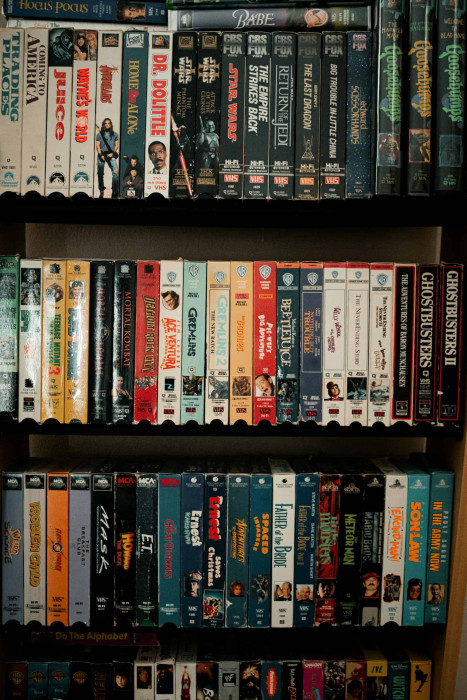
Photo by Bruno Guerrero on Unsplash
WRAP-UP!
The "Nostalgia Filter" phenomenon is a reflection of two things: our psychological need for emotional security and Hollywood’s business logic to minimize risk.
As long as audiences continue to respond warmly to the call of the past, remakes and reboots will continue to dominate release schedules. The challenge for the industry is to find a balance: providing the comfort audiences crave without sacrificing space for the original ideas and new narratives that will eventually form the nostalgia of the next generation.
It’s Not a Lack of Originality. Hollywood Understands That Amidst Uncertainty, Past Memories Are the Ultimate 'Comfort Food' for the Audience's Soul. Which 90s era film do you think most deserves (or least deserves) a remake?