



Photo by Peter Burdon on Unsplash
Spending leisure time in a sprawling metropolis no longer has to revolve around indoor shopping centers. For years, the rhythm of urban life remained confined to a cycle of moving from one air-conditioned enclosure to another to escape the outdoor heat and street-level chaos. Outdoor activities were long considered impractical due to the limited availability of supportive public infrastructure.
However, continuous improvements in public facilities paired with a holistic approach to personal wellness are shifting urban recreation habits. A collective yearning for fresh air and open movement drives the growth of The Green Walkways among healthy lifestyle advocates. Brisk walking or jogging in the late afternoon has transitioned from a basic workout into a new way to explore the cityscape at a restorative pace.
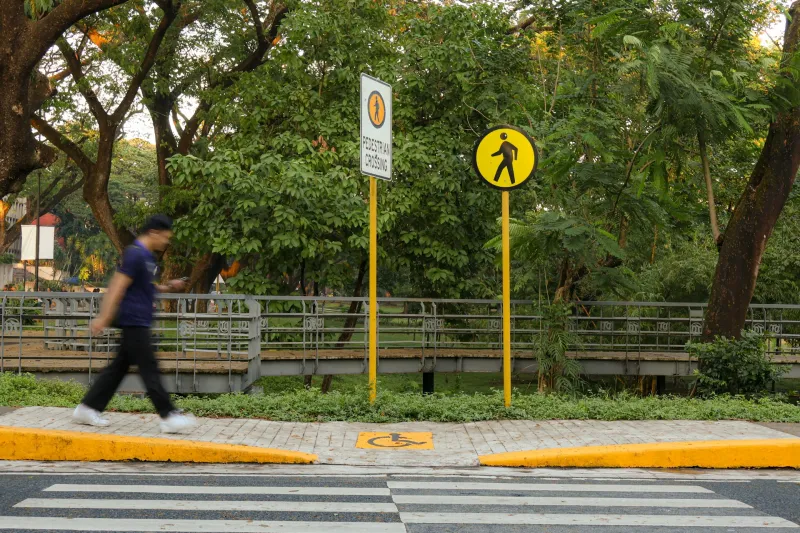
Photo by Bridget Adolfo on Unsplash
A Premium Greenways and Urban Comfort Metrics
The comfort of a pedestrian path is no longer measured solely by its physical width, but by its capacity to provide psychological safety and shade. Metropolitan centers now feature integrated pedestrian corridors engineered to be walkable, heavily shaded by mature vegetation, and insulated from massive traffic pollution.
This infrastructural evolution brings a breath of fresh air to city dwellers, especially when comparing newly revitalized corridors with conventional roadways.
Regarding the curriculum of infrastructure design, primary business corridors generally offer unified networks with seamless links to public transit hubs. These paths feature step-friendly surfaces and highly visible pedestrian crossings. Conversely, green zones winding around city parks offer a contrasting tactile experience, combining compacted earth paths and smooth asphalt underneath a thick canopy of mature trees—creating a perfect refuge from solar exposure.
These contrasting environmental profiles directly shape the orientation of psychological comfort during exercise. Moving through aesthetic pathways in classic residential districts, for instance, offers views of historical architecture and pristine community gardens. This setup provides visual tranquility that stands in stark contrast to the repetitive, noisy environment of indoor commercial fitness centers.
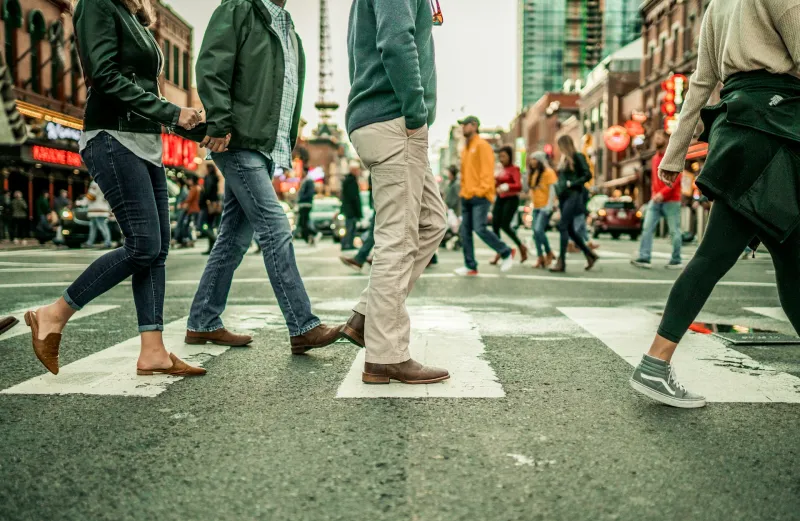
Photo by cody lannom on Unsplash
Ultimately, these open spaces deliver a tangible impact on community well-being. Exercising within open green infrastructure lowers stress markers, enhances respiratory health, and fosters organic social interactions among residents. Thanks to The Green Walkways, urban communities gain secure environments to stay active while engaging with the visual dynamics of the city without vehicular intimidation.
The Strategic Value of Human-Centric Infrastructure
Utilizing green pedestrian paths for daily exercise delivers long-term rewards for physical health and mental endurance. In an environment where standard urban commuting breeds fatigue, walking through open green spaces serves as an accessible, high-impact restorative practice. Citizens who engage with these public paths regularly demonstrate stronger stress resilience against professional pressures.
Selecting health-conscious exercise routes mirrors the sustainable mobility principles gaining traction across global cities, as detailed in [City Cycling Guides: Modern Bike Routes]. As urban connectivity reorients to reduce reliance on motorized vehicles, the integration of protected cycling tracks and expansive sidewalks serves as the baseline for a healthier, highly sustainable urban ecosystem.
"Wide, green sidewalks are the hallmark of a city that humanizes its citizens; they are the ultimate spaces to slow down and reclaim a healthy public realm."
Sustainable Quality of Life
Establishing sustainable wellness routines within major metropolitan centers requires a consistent choice of environment.
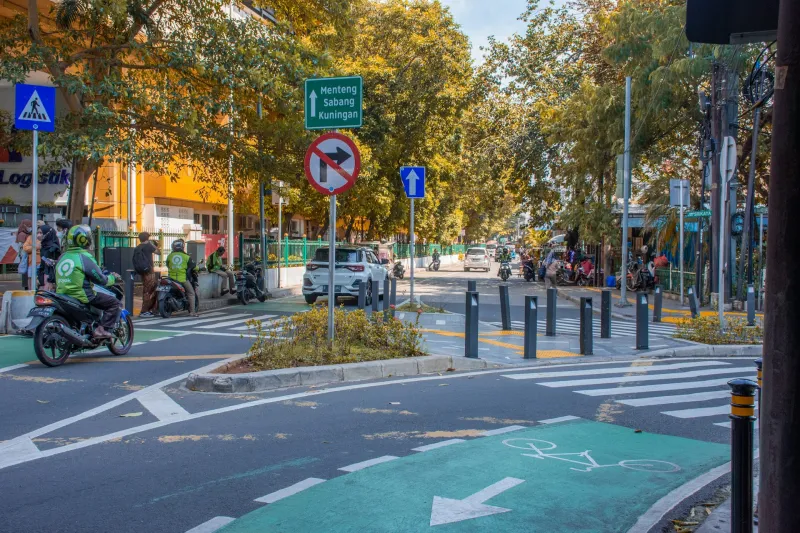
Photo by Rafael Atantya on Unsplash
"Urban health is no longer measured by the speed at which we traverse distances via machines, but by the safety and comfort with which we can move on our own two feet."
WRAP-UP!
The presence of The Green Walkways represents a mature phase in urban planning that prioritizes human comfort. By maintaining clean public spaces, dense canopy shading, and seamless pedestrian connectivity, a city successfully offers a restorative oasis for its population. Leveraging green sidewalks for physical activity demonstrates that sustainable infrastructure is the fundamental key to achieving a balanced, productive, and thriving urban lifestyle.
For community organizers, wellness coordinators, and urban professionals aiming to build a healthy routine, the immediate step is to map out the greenest paths nearest to daily hubs. Move weekend workout agendas out of enclosed gyms into open green zones boasting verified pedestrian infrastructure. Local running and walking clubs are encouraged to organize regular community outings to promote and preserve these public assets, ensuring the long-term quality of these shared wellness spaces.
Looking to feature your brand and business through Alinear Indonesia’s Smart Publication & Smart Activation? Share your experience and consult with us today. Click here!



![Alinear Indonesia [Brand/Business Registration] Smart Publication & Smart Activation](https://www.alinear.id/assets_web/images/qr-codes/3e23e7dab43d2e72854ba48a3a09cf75.jpg)