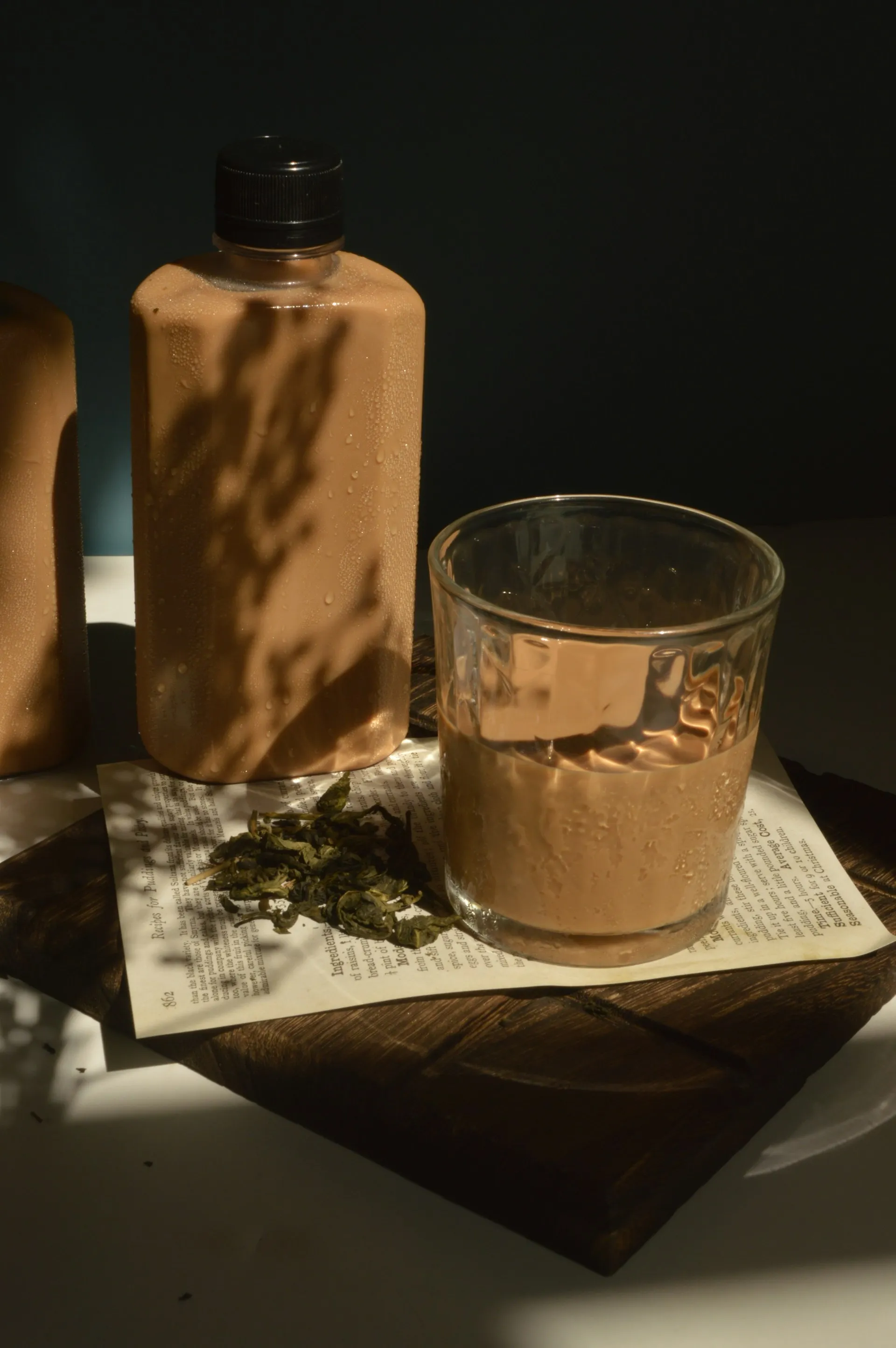

Photo by Eli Nguyen on Unsplash
In the contemporary culinary landscape, the definition of luxury has undergone a radical paradigm shift. Luxury is no longer measured solely by the exorbitant cost of imported, rare ingredients, but by narrative depth, technical intelligence, and an authentic commitment to environmental sustainability. As urban markets grow weary of conventional fermented beverages and synthetic syrups, culinary curators are turning their attention to hidden treasures within our own domestic plantations.
The focus of this innovation lands on an element that for centuries was deemed a worthless byproduct of the chocolate-making process: cacao pulp. This milky white, sweet-tart mucilage surrounding fresh cocoa beans is typically allowed to drain into the soil or is used strictly as a biological catalyst for bean fermentation. However, in the hands of visionary gastronomic innovators, this frequently wasted liquid is being upcycled into a premium tropical beverage that challenges conventional boundaries of taste.
The Art of Cold-Pressed Extraction: Preserving Active Tropical Enzymes
Cacao pulp is an exceptionally fragile substance. It is highly concentrated with natural sugars, organic acids, and volatile antioxidant compounds that are deeply sensitive to temperature fluctuations and atmospheric oxidation. Processing it requires a meticulously gentle mechanical approach. Rather than using conventional pasteurization or high-speed centrifugation—which thermalize and disrupt the delicate molecular structure—the premium beverage sector is adopting advanced cold-pressing (heat-free hydraulic extraction).
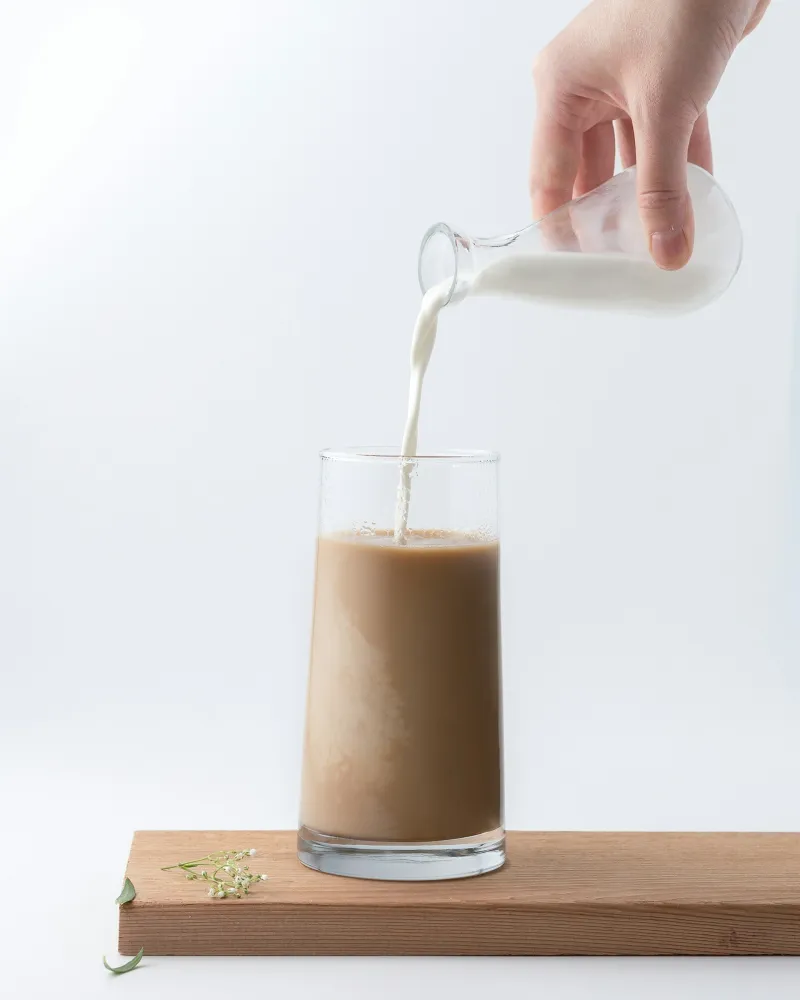
Through precise, low-temperature pressure, the white nectar of the cacao pod is gently coaxed out without sacrificing its nutritional integrity. The resulting liquid is a translucent, velvet-textured elixir that retains its active enzymes, potassium, magnesium, and B-vitamin complexes. This methodology ensures that every drop of juice serves not only as a pure sensory experience but also as a high-performance hydration asset optimized for the modern professional.
A Symphony of Taste: The Exotic Complexity of Mangosteen and Soursop
The moment cold-pressed cacao pulp juice hits the palate, it delivers an unexpected sensory plot twist. For those accustomed to associating cacao purely with the bitter notes of dark chocolate or the rich density of premium milk chocolate, this juice offers an entirely separate flavor dimension. Its profile is an exotic tropical symphony—an elegant, natural balance between the delicate, creamy sweetness of a ripe mangosteen (the queen of fruits) and the sharp, refreshing acidity of soursop.
The complexity does not end at the initial sip. As the liquid blankets the tongue, a subtle, floral aftertaste emerges, carrying hints of lychee and wild forest honey. Its crisp, clean acidity structure prevents cloying, offering an immediate brightness. It is this multi-layered, structural architecture that has led modern mixologists to compare pure cacao pulp juice to the sophisticated flavor mechanics of high-quality white wines, where structural balance is derived entirely from the purity of nature rather than artificial additives [Local Vineyards: Eksplorasi Cita Rasa Anggur].
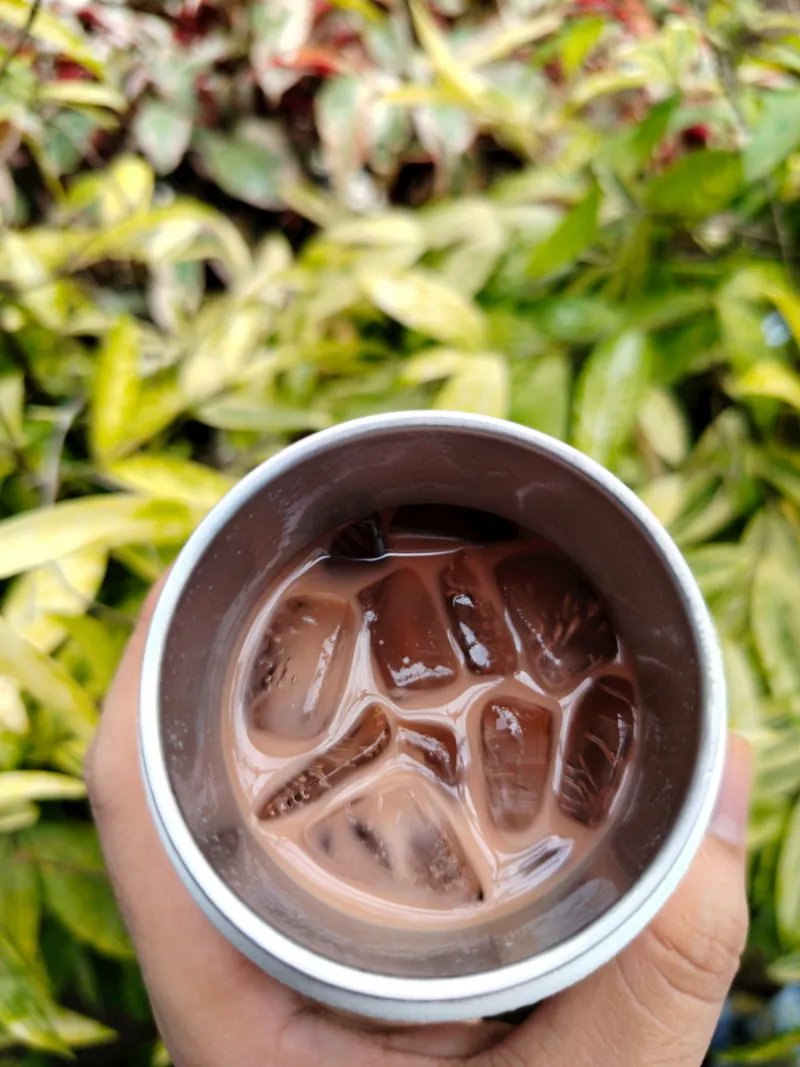
Photo by Trisha Canillas on Unsplash
The Upcycled Food Movement and the Genesis of Sustainable Luxury
The ascendancy of cacao pulp nectar is a vital chapter in the global Upcycled Food Movement—a calculated effort to rescue nutrient-dense agricultural resources that traditionally fall through the cracks of the manufacturing chain. By commercializing cacao pulp into high-end retail and culinary spaces, producers are doing more than just mitigating organic waste on farms; they are actively engineering a lucrative new revenue stream for local Indonesian cacao smallholders.
This is the true realization of sustainable luxury. Urban consumers are no longer just buying a refreshing beverage in a crystal glass; they are investing in a fair-trade agricultural ecosystem and real-world environmental conservation. Serving this nectar within fine-dining institutions or premium mixology bars communicates a new cultural status symbol—a consumer segment that measures luxury by how intelligently a product respects the earth and elevates native terroirs.

Photo by Sadie Coulter on Unsplash
The Future of Mixology: From Cocoa Groves to Crystal Flutes
The introduction of cold-pressed cacao pulp juice is actively reshaping beverage curation across urban premium venues. Master mixologists are leveraging this exotic liquid as a baseline for complex, non-alcoholic mocktails, or pairing its clean acidity with clear spirits like premium gin and artisanal vodka to design cocktails with a bright, crisp tropical identity.
"True luxury is no longer about how far we can import a rare ingredient, but about how deeply we can unearth the hidden potential of a local asset that was previously left behind on our own soil."
Its unique structural versatility allows it to shift effortlessly from a morning wellness tonic to a sophisticated food-pairing asset in the evening. In a global marketplace constantly scanning for the next great innovation in food and beverage, this local cacao nectar proves that the most luxurious flavor experiences are rarely engineered in distant laboratories; they are often found waiting right on the forest floors of our own tropical archipelagos.

Photo by Irene Kredenets on Unsplash
"In every chilled sip of cacao nectar, we do more than enjoy an exotic tropical profile; we honor the brilliant circularity of a sustainable agricultural ecosystem."
WRAP-UP!
Cold-Pressed Cacao Pulp Juice represents the intersection of modern culinary innovation and sustainable resource management. With a sophisticated flavor profile that bridges the elegance of mangosteen and soursop, this nectar has successfully penetrated the luxury lifestyle market as a superior alternative for wellness tonics and premium mixology. By embracing this local commodity, we redefine how we appreciate tropical terroirs responsibly and elegantly [Local Vineyards: Eksplorasi Cita Rasa Anggur].
On your next visit to an artisanal mixology establishment or fine-dining restaurant, actively seek out creations incorporating cacao pulp nectar; experience firsthand how this fluid, exotic asset can elevate your culinary perspective.
Looking to feature your brand and business through Alinear Indonesia’s Smart Publication & Smart Activation? Share your experience and consult with us today. Klik di sini!
![Smart Publication+ 3.0: Build Authority. Drive Growth. [Technical Specification]](https://www.alinear.id/assets_web/images/qr-codes/bd48cb0acb2d9586570edb8a7303cee1.jpg)